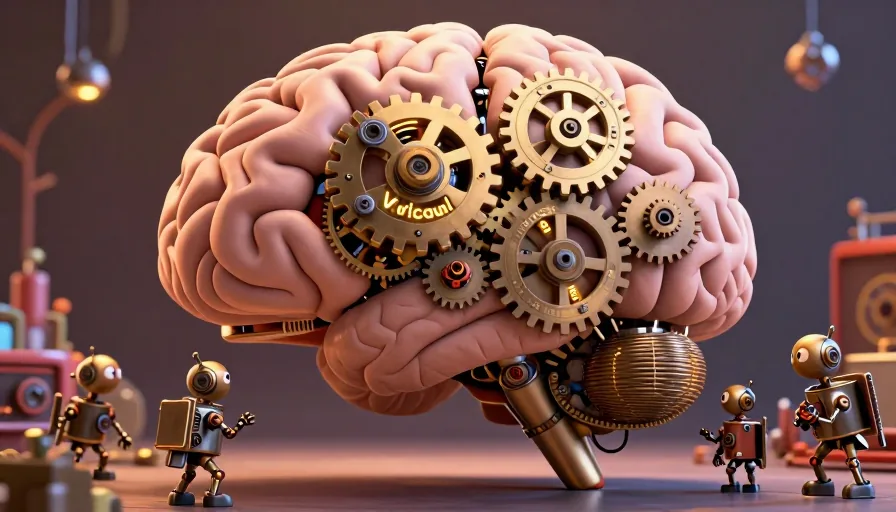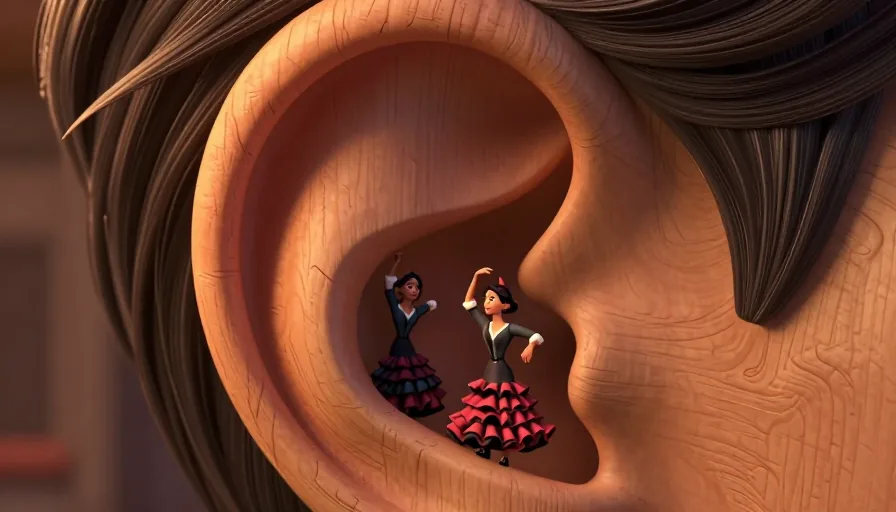
Spanish metaphors and idioms are essential for anyone looking to sound more native-like. These phrases add color and depth to conversations, but they can also be confusing if you don't understand the cultural context behind them. This guide will help you master the nuances of Spanish metaphors, providing practical examples and tips to use them appropriately.
The Cultural Context Behind Spanish Metaphors
Understanding the cultural context behind Spanish metaphors is crucial for using them correctly. Many Spanish idioms have historical or regional significance that can change their meaning or appropriateness depending on the context. For example, the phrase "estar en la luna" literally translates to "to be on the moon," but idiomatically, it means "to be daydreaming" or "to be distracted." This phrase reflects a cultural appreciation for the whimsical and imaginative, which is common in Spanish-speaking countries.
Mini Drill: Cultural Context
- estar en la luna - To be on the moon (Idiomatic: To be daydreaming)
- echar una mano - To throw a hand (Idiomatic: To help)
- ser pan comido - To be eaten bread (Idiomatic: To be easy)
Try to use these phrases in sentences that reflect their idiomatic meanings.
Mastering the Nuance: Literal vs. Figurative Meaning
One of the biggest challenges in learning Spanish metaphors is understanding the difference between literal and figurative meanings. A side-by-side comparison can help clarify this distinction. For example, consider the phrase "tener un mono" which literally means "to have a monkey." However, idiomatically, it means "to have a craving for something." This phrase is often used in a playful or humorous context, reflecting the Spanish sense of humor.
Checklist: Literal vs. Figurative Meaning
- Literal Translation: Understand the direct meaning of the words.
- Idiomatic Meaning: Learn the cultural and contextual significance.
- Contextual Clues: Pay attention to the situation and tone of the conversation.
When to Use These Idioms for Maximum Impact
Knowing when and how to use Spanish metaphors can significantly enhance your communication skills. These phrases are best used in informal settings, such as conversations with friends or family. However, they can also add a touch of authenticity to more formal settings, depending on the context. For example, using "estar en la luna" in a casual conversation can make you sound more native, but using it in a business meeting might be inappropriate.
Practical Examples
- In a casual conversation: "Estoy en la luna pensando en mis vacaciones." (I am daydreaming about my vacation.)
- In a formal setting: "Necesito que me eches una mano con este proyecto." (I need your help with this project.)

Learn Languages with YouTube
Watch videos in your target language, auto-capture words into flashcards, and track your progress — all in one place.
Start Free →Common Mistakes to Avoid
Even native speakers can make mistakes with idioms, so it's important to be aware of common pitfalls. One common mistake is using a metaphor in the wrong context, which can lead to confusion or even offense. For example, using "tener un mono" in a serious conversation about addiction can be inappropriate and insensitive.
Checklist: Avoiding Mistakes
- Context Matters: Always consider the setting and audience.
- Cultural Sensitivity: Be aware of the cultural significance and potential sensitivities.
- Practice Makes Perfect: Use these phrases in various contexts to build confidence.
Funny and Rude Spanish Metaphors
Some Spanish metaphors can sound funny or even rude to non-native speakers. For example, the phrase "tener un mono" can be seen as humorous because it involves a playful comparison. However, the phrase "estar en la luna" can be seen as rude if used in a context where someone is expected to be attentive. Understanding these nuances can help you navigate social situations more effectively.
Mini Drill: Funny and Rude Metaphors
- tener un mono - To have a monkey (Idiomatic: To have a craving)
- estar en la luna - To be on the moon (Idiomatic: To be daydreaming)
- ser pan comido - To be eaten bread (Idiomatic: To be easy)
Try to use these phrases in sentences that reflect their idiomatic meanings, and consider the potential reactions of your audience.
Tips for Sounding More Native
To sound more native, it's important to go beyond just memorizing lists of idioms. Incorporate these phrases into your daily conversations and pay attention to how native speakers use them. Practice makes perfect, and the more you use these metaphors, the more natural they will sound.
Checklist: Sounding More Native
- Practice Regularly: Incorporate these phrases into your daily conversations.
- Listen to Native Speakers: Pay attention to how they use these metaphors in context.
- Be Confident: Don't be afraid to make mistakes; they are a natural part of the learning process.
By following these tips and practicing regularly, you'll be well on your way to mastering Spanish metaphors and sounding more native-like.
FAQ
Why is it important to understand the cultural context behind Spanish metaphors?
Understanding the cultural context helps you use these phrases appropriately and avoid misunderstandings. Many Spanish metaphors have historical or regional significance that can change their meaning or appropriateness depending on the context.
How can I avoid using Spanish metaphors in the wrong context?
Pay attention to the setting and audience. Some metaphors are best used in informal settings, while others can add a touch of authenticity to more formal settings. Always consider the cultural significance and potential sensitivities.
What are some common mistakes to avoid when using Spanish metaphors?
Common mistakes include using a metaphor in the wrong context, which can lead to confusion or offense. Be aware of the cultural significance and potential sensitivities, and practice using these phrases in various contexts to build confidence.
Related phrases
Language learning in 2026 isn't about finishing daily streaks. The fastest path to fluency combines three elements: comprehensible input from real media you enjoy, active vocabulary capture while consuming that content, and spaced repetition to lock words into long-term memory. Gamified apps build the habit. Immersion tools build the fluency. The most effective learners use both—in that order.
Start with Metheus
Watch videos in your target language, auto-capture words into flashcards, and track your progress — all in one place.
Get Started Free →