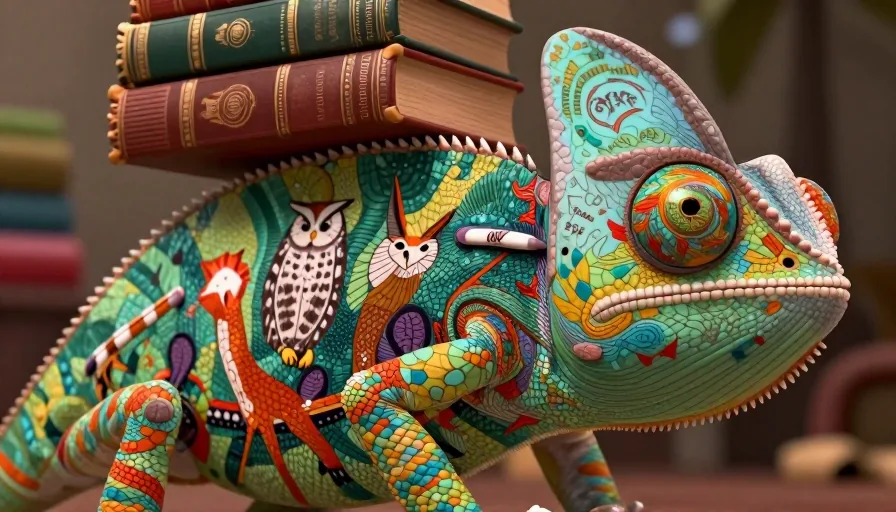
Animal related idioms are a fascinating part of the English language, offering insights into cultural nuances and adding color to conversations. Whether you're a language enthusiast or looking to enhance your English skills, mastering these idioms can significantly improve your fluency and make you sound more like a native speaker.
What is an Idiom and Why Do We Use Them?
An idiom is a phrase or expression that has a figurative, or non-literal, meaning. Idioms are common in everyday language because they often convey complex ideas in a concise and memorable way. Animal related idioms, in particular, are prevalent in English due to the rich cultural and historical significance of animals in society. They add depth and nuance to communication, making conversations more engaging and expressive.
Why Animal Idioms Are Common in English
Animals have always played a significant role in human culture, and this is reflected in the language. Many animal related idioms originate from observations of animal behavior, myths, and folklore. For example, the idiom "as busy as a bee" comes from the industrious nature of bees, while "a wolf in sheep's clothing" refers to a deceitful person disguised as harmless. Understanding these idioms can provide a deeper appreciation for the cultural context in which they were formed.
Top 30 Animal Idioms You Need to Know
1. As busy as a bee
Meaning: Very busy or active.
Example: "She's been as busy as a bee preparing for the wedding."
2. A dark horse
Meaning: A person who keeps their abilities or plans secret until they are revealed.
Example: "He turned out to be a dark horse in the chess tournament."
3. A wolf in sheep's clothing
Meaning: Someone who appears friendly but is actually harmful or deceitful.
Example: "Be careful of that salesman; he's a wolf in sheep's clothing."
4. The elephant in the room
Meaning: An obvious problem or issue that people do not want to discuss.
Example: "The financial crisis is the elephant in the room at the meeting."
5. Make a mountain out of a molehill
Meaning: To make a small problem seem much bigger than it is.
Example: "Don't make a mountain out of a molehill over a minor mistake."
6. Let the cat out of the bag
Meaning: To reveal a secret.
Example: "She let the cat out of the bag about the surprise party."
7. Work like a dog
Meaning: To work very hard.
Example: "He worked like a dog to finish the project on time."
8. A bird's-eye view
Meaning: A view from a high place, allowing you to see a large area.
Example: "From the top of the tower, we had a bird's-eye view of the city."
9. Kill two birds with one stone
Meaning: To achieve two different things at the same time.
Example: "By going to the gym, I can kill two birds with one stone: exercise and meet friends."
10. A snake in the grass
Meaning: A hidden enemy or traitor.
Example: "Be wary of that colleague; he's a snake in the grass."
11. As sick as a dog
Meaning: Very ill.
Example: "I was as sick as a dog with the flu last week."
12. As strong as an ox
Meaning: Very strong.
Example: "He's as strong as an ox and can lift heavy weights easily."
13. As blind as a bat
Meaning: Completely blind.
Example: "Without his glasses, he's as blind as a bat."
14. As dead as a doornail
Meaning: Completely dead.
Example: "The project is as dead as a doornail after the funding was cut."
15. As free as a bird
Meaning: Completely free.
Example: "After retiring, he felt as free as a bird to travel the world."
16. As happy as a clam
Meaning: Very happy.
Example: "She was as happy as a clam after receiving the good news."
17. As mad as a hatter
Meaning: Completely crazy.
Example: "His erratic behavior made him seem as mad as a hatter."
18. As poor as a church mouse
Meaning: Very poor.
Example: "After losing his job, he was as poor as a church mouse."
19. As proud as a peacock
Meaning: Very proud.
Example: "She strutted around the room as proud as a peacock after winning the award."
20. As quiet as a mouse
Meaning: Very quiet.
Example: "The children were as quiet as mice during the exam."
21. As sly as a fox
Meaning: Very cunning or deceitful.
Example: "He's as sly as a fox and always finds a way to get what he wants."
22. As stubborn as a mule
Meaning: Very stubborn.
Example: "She's as stubborn as a mule and won't change her mind."
23. As wise as an owl
Meaning: Very wise or knowledgeable.
Example: "He's as wise as an owl and always gives good advice."
24. Barking up the wrong tree
Meaning: Pursuing a mistaken or misguided line of thought or course of action.
Example: "If you think he's the thief, you're barking up the wrong tree."
25. Beat around the bush
Meaning: To avoid talking about something difficult or unpleasant.
Example: "Stop beating around the bush and tell me what's wrong."
26. Costs an arm and a leg
Meaning: Very expensive.
Example: "That car costs an arm and a leg, but it's worth it."
27. Eat like a bird
Meaning: To eat very little.
Example: "She eats like a bird and never gains weight."
28. Every cloud has a silver lining
Meaning: Every difficult situation has a positive aspect.
Example: "Even though I lost my job, every cloud has a silver lining—I can now pursue my dream career."
29. Feather your own nest
Meaning: To do things that benefit yourself, often at the expense of others.
Example: "He always feathers his own nest, never thinking about the team."
30. In the doghouse
Meaning: In trouble, often with a spouse or partner.
Example: "He's in the doghouse after forgetting their anniversary."

Learn Languages with YouTube
Watch videos in your target language, auto-capture words into flashcards, and track your progress — all in one place.
See How It Works →How to Use Animal Idioms in Conversation
Using animal related idioms effectively requires understanding the context and nuances of each idiom. Here are some tips to help you incorporate them into your conversations:
-
Contextual Appropriateness: Ensure the idiom fits the context of the conversation. For example, using "as busy as a bee" in a discussion about work is appropriate, but it might not fit in a casual chat about hobbies.
-
Cultural Awareness: Be mindful of cultural differences. Some idioms may have different meanings or connotations in different regions. For example, "a dark horse" might be more commonly used in British English than American English.
-
Practice and Repetition: The more you use these idioms, the more natural they will become. Try to incorporate them into your daily conversations and writing.
-
Interactive Learning: Use flashcards or quizzes to test your knowledge and reinforce your memory. Create sentences with the idioms and practice them with a language partner or tutor.
Tips for Practicing and Memorizing Idioms
-
Create Flashcards: Write the idiom on one side and its meaning on the other. Review them regularly to reinforce your memory.
-
Contextual Examples: Use the idioms in sentences that reflect real-life situations. This will help you understand how to use them naturally in conversation.
-
Regional Variations: Pay attention to how idioms are used in different regions. For example, "a dark horse" might be more common in British English, while "a wolf in sheep's clothing" is widely used in American English.
-
Interactive Quizzes: Take online quizzes or create your own to test your knowledge. This will help you identify areas where you need more practice.
-
Practice with a Partner: Find a language exchange partner or tutor to practice using these idioms in conversation. This will give you real-time feedback and help you improve your fluency.
Checklist for Mastering Animal Related Idioms
- Understand the meaning of each idiom.
- Create sentences using each idiom in different contexts.
- Practice using the idioms in conversations with native speakers.
- Take quizzes or use flashcards to test your knowledge.
- Be aware of regional variations and cultural nuances.
- Incorporate the idioms into your daily language use.
Mini Drills for Practice
- Fill in the Blanks: Choose an idiom and create a sentence with a blank space. Fill in the blank with the correct idiom.
Example: "She's been very busy lately, working like a _______."
Answer: "She's been very busy lately, working like a dog."
- Idiom Matching: Write a list of idioms and their meanings. Match the idiom to the correct meaning.
Example:
-
As busy as a bee
-
As sick as a dog
-
As strong as an ox
-
As blind as a bat
-
As dead as a doornail
-
Very busy or active
- Very ill
- Very strong
- Completely blind
- Completely dead
- Contextual Use: Write a short paragraph using three different animal related idioms. Ensure each idiom fits naturally into the context.
Example: "She's been as busy as a bee preparing for the wedding. Unfortunately, she's been as sick as a dog with the flu, but she's as strong as an ox and determined to finish everything on time."
By following these tips and practicing regularly, you'll be able to master these animal related idioms and sound more like a native English speaker. Happy learning!
Interactive Quizzes and Flashcards
To further enhance your learning experience, consider using interactive quizzes and flashcards. These tools can help you test your knowledge and reinforce your memory. Here are some resources to get you started:
-
Quizlet: Create flashcards with the idioms and their meanings. Use the app to practice and test your knowledge.
-
Kahoot!: Create quizzes with questions about the idioms. Challenge yourself or play with friends to see who can get the highest score.
-
Anki: Use this powerful flashcard app to create decks with the idioms. Review them regularly to improve your memory.
Regional Variations in Animal Idioms
Animal related idioms can vary between British and American English. Here are some examples of regional differences:
-
British English: "A dark horse" is more commonly used to describe someone who keeps their abilities or plans secret.
-
American English: "A wolf in sheep's clothing" is widely used to describe a deceitful person disguised as harmless.
Understanding these regional variations can help you use the idioms more effectively in different contexts.
Conclusion
Mastering animal related idioms can significantly enhance your English vocabulary and make you sound more like a native speaker. By understanding the meanings, practicing with context, and using interactive tools, you can incorporate these idioms into your daily language use. Start practicing today and watch your fluency improve!
FAQ
Why are animal related idioms so common in English?
Animal related idioms are common in English due to the rich cultural and historical significance of animals in society. They often originate from observations of animal behavior, myths, and folklore, making them a natural part of the language.
How can I remember these idioms more effectively?
To remember animal related idioms more effectively, create flashcards, use them in context, practice with a language partner, and take quizzes. Regular practice and repetition will help reinforce your memory.
Are there regional differences in the use of animal related idioms?
Yes, there are regional differences. For example, "a dark horse" is more commonly used in British English, while "a wolf in sheep's clothing" is widely used in American English. Understanding these variations can help you use the idioms more appropriately in different contexts.
Related phrases
Start with Metheus
Watch videos in your target language, auto-capture words into flashcards, and track your progress — all in one place.
Get Started →

