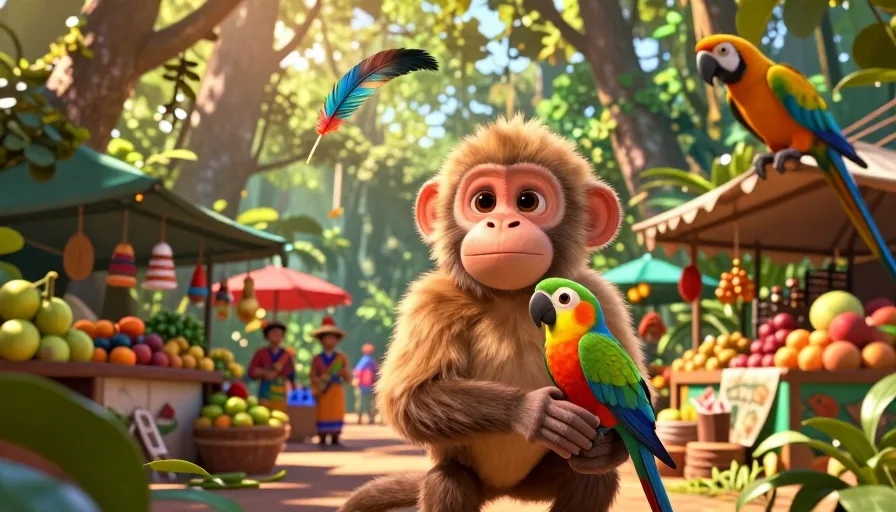
Learning animals in Portuguese is a fun and practical way to expand your vocabulary. Whether you're a traveler, a language enthusiast, or simply curious about the Portuguese language, understanding animal names can open up new conversation topics and deepen your connection to the culture. This guide will help you master essential animal vocabulary, from common domestic animals to wild and aquatic creatures, with pronunciation tips and contextual usage.
Essential Domestic Animals in Portuguese
Domestic animals, or pets, are a great starting point for learning animal vocabulary. Here are some common domestic animals in Portuguese along with their pronunciations and contextual sentences:
| English | Portuguese | Pronunciation | Contextual Sentence |
|---|---|---|---|
| dog | cachorro | ka-ˈʃo-ro | O cachorro está dormindo no sofá. (The dog is sleeping on the sofa.) |
| cat | gato | ˈga-tu | O gato está brincando com a bola. (The cat is playing with the ball.) |
| bird | pássaro | ˈpa-sa-ru | O pássaro está cantando na árvore. (The bird is singing in the tree.) |
| fish | peixe | ˈpɛj-ʃi | O peixe está nadando no aquário. (The fish is swimming in the aquarium.) |
| rabbit | coelho | ko-ˈe-ʎu | O coelho está comendo alface. (The rabbit is eating lettuce.) |
Mini Drill: Try describing your favorite pet in Portuguese using the vocabulary above.
Farming Life: Portuguese Terms for Farm Animals
Farm animals are another essential category. Here are some common farm animals in Portuguese:
| English | Portuguese | Pronunciation | Contextual Sentence |
|---|---|---|---|
| cow | vaca | ˈva-ka | A vaca está pastando no campo. (The cow is grazing in the field.) |
| pig | porco | ˈpoʁ-ku | O porco está sujo de lama. (The pig is dirty with mud.) |
| chicken | galinha | ga-ˈli-ɲa | A galinha está cacarejando. (The chicken is clucking.) |
| horse | cavalo | ka-ˈva-lu | O cavalo está galopando no campo. (The horse is galloping in the field.) |
| sheep | ovelha | o-ˈve-ʎa | A ovelha está comendo grama. (The sheep is eating grass.) |
Pronunciation Tip: Notice the nasal sounds in words like 'porco' and 'cavalo'. Practice these sounds to improve your pronunciation.
Exploring the Wild: Common Wild Animals
Wild animals are fascinating and learning their names can be both fun and educational. Here are some common wild animals in Portuguese:
| English | Portuguese | Pronunciation | Contextual Sentence |
|---|---|---|---|
| lion | leão | le-ˈa-u | O leão está rugindo na savana. (The lion is roaring in the savannah.) |
| tiger | tigre | ˈti-ɡɾi | O tigre está caçando na selva. (The tiger is hunting in the jungle.) |
| elephant | elefante | e-le-ˈfɐ̃-ti | O elefante está bebendo água no rio. (The elephant is drinking water in the river.) |
| giraffe | girafa | ʒi-ˈɾa-fa | A girafa está comendo folhas das árvores. (The giraffe is eating leaves from the trees.) |
| zebra | zebra | ˈze-bɾa | A zebra está correndo na savana. (The zebra is running in the savannah.) |
Checklist: Can you name five wild animals in Portuguese? Try to use them in sentences to practice your vocabulary.

Learn Languages with YouTube
Watch videos in your target language, auto-capture words into flashcards, and track your progress — all in one place.
See How It Works →Life in the Water: Portuguese Terms for Aquatic Creatures
Aquatic life is diverse and learning the names of these creatures can be both interesting and useful. Here are some common aquatic animals in Portuguese:
| English | Portuguese | Pronunciation | Contextual Sentence |
|---|---|---|---|
| whale | baleia | ba-ˈlɛj-a | A baleia está nadando no oceano. (The whale is swimming in the ocean.) |
| dolphin | golfinho | goʁ-ˈfi-ɲu | O golfinho está pulando na água. (The dolphin is jumping in the water.) |
| shark | tubarão | tu-ba-ˈɾa-u | O tubarão está nadando perto da praia. (The shark is swimming near the beach.) |
| octopus | polvo | ˈpoʁ-vu | O polvo está mudando de cor. (The octopus is changing color.) |
| crab | caranguejo | ka-ɾɐ̃-ˈɡe-ʒu | O caranguejo está andando na areia. (The crab is walking on the sand.) |
Interactive Element: Use audio clips to practice the pronunciation of these aquatic animal names. Listen and repeat to improve your pronunciation.
The World of Bugs: Learning Insect and Animal Names
Insects and bugs are a part of everyday life, and knowing their names in Portuguese can be very useful. Here are some common insects and bugs in Portuguese:
| English | Portuguese | Pronunciation | Contextual Sentence |
|---|---|---|---|
| bee | abelha | a-ˈbe-ʎa | A abelha está voando perto das flores. (The bee is flying near the flowers.) |
| butterfly | borboleta | boʁ-bo-ˈle-tɐ | A borboleta está pousando na flor. (The butterfly is landing on the flower.) |
| ant | formiga | foʁ-ˈmi-ɡa | A formiga está carregando um grão de arroz. (The ant is carrying a grain of rice.) |
| spider | aranha | a-ˈɾa-ɲa | A aranha está tecendo sua teia. (The spider is weaving its web.) |
| mosquito | mosquito | mo-zi-ˈko-tu | O mosquito está picando meu braço. (The mosquito is biting my arm.) |
Comparison Chart:
| English | Portuguese | Pronunciation | English | Portuguese | Pronunciation |
|---|---|---|---|---|---|
| bee | abelha | a-ˈbe-ʎa | ant | formiga | foʁ-ˈmi-ɡa |
| butterfly | borboleta | boʁ-bo-ˈle-tɐ | spider | aranha | a-ˈɾa-ɲa |
| mosquito | mosquito | mo-zi-ˈko-tu | mosquito | mosquito | mo-zi-ˈko-tu |
Mini Drill: Try describing a bug you saw recently in Portuguese using the vocabulary above.
Pronunciation Tips for Key Animal Names
Pronunciation is key to effective communication. Here are some tips to help you pronounce key animal names correctly:
- Practice Nasal Sounds: Words like 'cachorro' (dog) and 'porco' (pig) have nasal sounds. Practice these sounds to improve your pronunciation.
- Listen and Repeat: Use audio clips to listen to the pronunciation of animal names and repeat them aloud. This will help you get the intonation and rhythm right.
- Break Down Words: Break down longer words into syllables and practice each syllable individually before combining them.
- Use Flashcards: Create flashcards with the animal names and their pronunciations. Practice regularly to reinforce your learning.
Checklist:
- Can you pronounce 'cachorro' correctly?
- Can you differentiate between 'gato' (cat) and 'galinha' (chicken)?
- Can you say 'elefante' (elephant) without hesitation?
By following these tips and practicing regularly, you'll be able to master the pronunciation of animals in Portuguese.
Conclusion
Learning animals in Portuguese is a rewarding experience that can enhance your language skills and cultural understanding. By mastering the vocabulary and pronunciation of common and essential animal names, you'll be able to communicate more effectively and confidently in Portuguese. Use the contextual sentences, interactive elements, and pronunciation tips provided in this guide to deepen your learning and make the most of your language journey.
FAQ
Why is learning animal vocabulary important in Portuguese?
Learning animal vocabulary is important because it helps you communicate effectively about a wide range of topics, from everyday conversations about pets to discussions about wildlife and environmental issues. It also enhances your cultural understanding and makes your language learning journey more engaging.
How can I practice the pronunciation of Portuguese animal names?
You can practice the pronunciation of Portuguese animal names by using audio clips, listening and repeating the words, breaking down longer words into syllables, and using flashcards. Regular practice will help you improve your pronunciation and build confidence in speaking Portuguese.
Are there regional differences in animal names in Portuguese?
Yes, there can be regional differences in animal names in Portuguese, especially between European Portuguese and Brazilian Portuguese. For example, 'cachorro' is used in both, but 'galinha' (chicken) might be referred to as 'frango' in some regions. It's important to be aware of these differences and adapt your vocabulary accordingly.
Related phrases
Start with Metheus
Watch videos in your target language, auto-capture words into flashcards, and track your progress — all in one place.
Get Started →

