Apricot Español: Mastering the Translation and Usage of 'Albaricoque' in Spanish
Apricot español, or 'albaricoque' in Spanish, is a fruit that holds a special place in both English and Spanish culinary traditions. Understanding how to translate and use 'apricot' in Spanish can significantly enhance your language skills, especially if you're interested in cooking or food culture. This guide will provide you with a comprehensive overview of how to translate 'apricot' to Spanish, along with practical examples and related vocabulary.
What is an Apricot? English to Spanish Translation
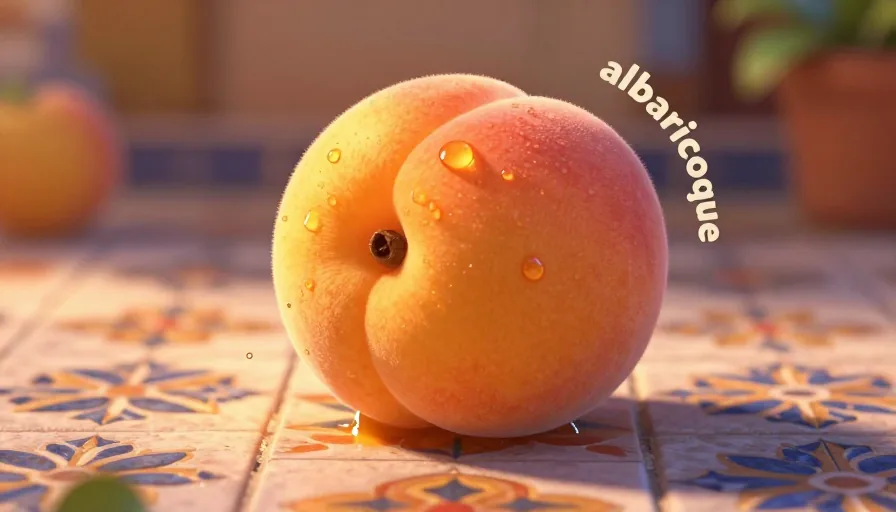
The direct translation of 'apricot' to Spanish is 'albaricoque'. This fruit is a small, round stone fruit with a velvety skin and a sweet, tangy flavor. In Spanish, 'albaricoque' is a masculine noun, which means it takes the masculine article 'el' or 'un'. For example:
- English: I love eating apricots.
- Spanish: Me encanta comer albaricoques.
Using 'Albaricoque' in Context: Common Phrases
To truly master the use of 'albaricoque' in Spanish, it's essential to see it in context. Here are some common phrases and sentences that include 'albaricoque':
-
English: I bought apricots and peaches at the market.
-
Spanish: Compré albaricoques y duraznos en el mercado.
-
English: Apricots are in season during the summer.
-
Spanish: Los albaricoques están en temporada durante el verano.
-
English: The apricot jam is delicious.
-
Spanish: La mermelada de albaricoque está deliciosa.
Culinary Vocabulary: Apricots and Related Fruits in Spanish
Expanding your culinary vocabulary can make your language learning journey more enjoyable and practical. Here are some related fruits and culinary terms that you might find useful:
- Peach: Durazno
- Nectarine: Nectarina
- Plum: Ciruela
- Apricot Jam: Mermelada de albaricoque
- Dried Apricots: Albaricoques secos
- Apricot Pie: Tarta de albaricoque
Mini Drill: Fill in the Blanks
Complete the following sentences with the correct Spanish word:
-
I love eating
-
The
-
The
-
The
-
The
Checklist: Apricot Vocabulary
- Apricot: Albaricoque
- Peach: Durazno
- Nectarine: Nectarina
- Plum: Ciruela
- Apricot Jam: Mermelada de albaricoque
- Dried Apricots: Albaricoques secos
- Apricot Pie: Tarta de albaricoque
Apricot in Spanish-Speaking Cultures
Apricots are a staple in many Spanish-speaking regions, particularly in Mediterranean and Latin American cuisines. In Spain, apricots are often used in desserts and jams. In Mexico, dried apricots are a popular snack. Understanding the cultural context can deepen your appreciation for the language and its culinary traditions.
Common Mistakes to Avoid
-
Mistake: Using 'albaricoque' as a feminine noun.
-
Correction: Remember that 'albaricoque' is a masculine noun, so use 'el' or 'un'.
-
Mistake: Confusing 'albaricoque' with 'melocotón' (peach).
-
Correction: 'Melocotón' is the Spanish word for peach, not apricot.

Learn Languages with YouTube
Watch videos in your target language, auto-capture words into flashcards, and track your progress — all in one place.
See How It Works →Related Vocabulary: Expanding Your Culinary Lexicon
To further enrich your vocabulary, consider learning these related culinary terms:
- Fruit Salad: Ensalada de frutas
- Fruit Tart: Tarta de frutas
- Fruit Compote: Compota de frutas
- Fruit Preserves: Conservas de frutas
- Fruit Sorbet: Sorbete de frutas
Mini Drill: True or False
Determine whether the following statements are true or false:
- Apricots are a type of citrus fruit.
- 'Albaricoque' is a feminine noun.
- Apricots are commonly used in Spanish desserts.
- 'Melocotón' means apricot in Spanish.
- Dried apricots are popular in Mexican cuisine.
Practical Examples and Sentence Structures
Practical examples are crucial for language learning. Here are some sentence structures and examples to help you use 'albaricoque' effectively:
-
Structure: Me gusta + [verb] + [noun]
-
Example: Me gusta comer albaricoques.
-
Structure: [Noun] + [verb] + [adjective]
-
Example: Los albaricoques están en temporada durante el verano.
-
Structure: [Noun] + [verb] + [adjective] + [preposition] + [noun]
-
Example: La mermelada de albaricoque está deliciosa en el pan.
Checklist: Sentence Structures
- Me gusta + [verb] + [noun]
- [Noun] + [verb] + [adjective]
- [Noun] + [verb] + [adjective] + [preposition] + [noun]
Cultural Context of Apricots in Spanish-Speaking Regions
Apricots have a rich cultural significance in Spanish-speaking regions. In Spain, apricots are often associated with summer and are used in various traditional dishes. In Latin America, particularly in Mexico, dried apricots are a popular snack and are often enjoyed with coffee or tea. Understanding these cultural nuances can enhance your language learning experience and provide deeper insights into the culinary traditions of Spanish-speaking countries.
Mini Drill: Cultural Context
Match the following cultural contexts with the correct Spanish-speaking region:
- Apricots are often used in traditional desserts.
- Dried apricots are a popular snack.
- Apricots are associated with summer.
A. Spain B. Mexico C. Both
Conclusion
Mastering the translation and usage of 'apricot' in Spanish can significantly enhance your language skills and cultural understanding. By learning the direct translation, contextual usage, and related vocabulary, you can confidently incorporate 'albaricoque' into your Spanish conversations and culinary adventures.
Final Checklist
- Direct translation of 'apricot' to Spanish: Albaricoque
- Contextual usage examples
- Related culinary vocabulary
- Cultural context of apricots in Spanish-speaking regions
- Practical examples and sentence structures
FAQ
Is 'albaricoque' a masculine or feminine noun?
'Albaricoque' is a masculine noun. Therefore, it takes the masculine article 'el' or 'un'. For example, 'El albaricoque es una fruta deliciosa.'
How do you say 'apricot jam' in Spanish?
The translation for 'apricot jam' in Spanish is 'mermelada de albaricoque'. For example, 'La mermelada de albaricoque está deliciosa.'
What are some common mistakes to avoid when using 'albaricoque'?
Common mistakes include using 'albaricoque' as a feminine noun and confusing it with 'melocotón' (peach). Remember that 'albaricoque' is masculine and means apricot, not peach.
Related phrases
Start with Metheus
Watch videos in your target language, auto-capture words into flashcards, and track your progress — all in one place.
Get Started →

