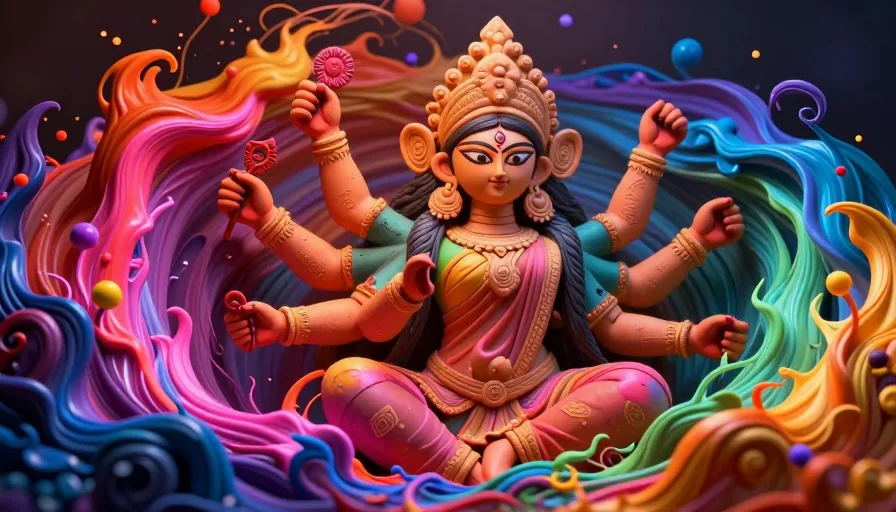
Learning bengali colors is a fun and practical way to expand your vocabulary and understand Bengali culture. This guide will help you master the key Bengali color names, their cultural significance, and how to use them in everyday conversations. We'll also provide pronunciation guides and interactive tools to enhance your learning experience.
The Spectrum of Bengali Colors: A Visual Guide
Before diving into the cultural significance, let's familiarize ourselves with the key Bengali color names and their English equivalents. Below is a visual guide to help you recognize and remember these colors.
| Bengali Color Name | English Equivalent | Image |
|---|---|---|
| লাল (Lal) | Red | |
| সবুজ (Shobuj) | Green | |
| হলুদ (Holud) | Yellow | |
| নীল (Nil) | Blue | |
| কালো (Kalo) | Black | |
| সাদা (Shada) | White | |
| কমলা (Komola) | Orange | |
| বেগুনি (Beguni) | Purple | |
| গোলাপী (Golapi) | Pink | |
| ধূসর (Dhushor) | Grey |
Cultural Significance: What Do Bengali Colors Mean?
Colors in Bengali culture hold deep symbolic meanings. Understanding these can help you appreciate the language and culture more deeply.
Red (লাল - Lal)
Red is a color of celebration and prosperity in Bengali culture. It is often used in festivals like Durga Puja, where the goddess Durga is adorned in red to symbolize power and energy. Red is also the color of Bengali bridal wear, signifying the beginning of a new life.
Green (সবুজ - Shobuj)
Green represents nature, fertility, and growth. It is widely used in Bengali literature and poetry to describe the lush landscapes of Bengal. During the Bengali New Year (Pohela Boishakh), green is prominently featured in decorations and clothing.
Yellow (হলুদ - Holud)
Yellow is associated with joy, happiness, and the color of turmeric, a staple in Bengali cuisine. It is often used in wedding ceremonies, where the bride and groom are adorned with yellow to symbolize a bright and prosperous future.
Blue (নীল - Nil)
Blue is the color of the vast sky and the holy river Ganges. It symbolizes tranquility, wisdom, and the divine. Blue is often used in religious ceremonies and is considered a sacred color.
Black (কালো - Kalo)
Black represents mourning and sorrow in Bengali culture. It is traditionally worn during funerals and periods of grief. However, it also symbolizes strength and resilience, as seen in the black attire of Bengali revolutionaries.
White (সাদা - Shada)
White is a color of purity, peace, and new beginnings. It is commonly used in wedding ceremonies and religious rituals. White is also the color of the traditional Bengali saree, symbolizing elegance and simplicity.
Orange (কমলা - Komola)
Orange is the color of the setting sun and is associated with warmth, energy, and enthusiasm. It is often used in festive decorations and is a popular choice for Bengali clothing during festivals like Diwali.
Purple (বেগুনি - Beguni)
Purple is a royal color in Bengali culture, symbolizing nobility, luxury, and spirituality. It is often used in religious ceremonies and is associated with the divine.
Pink (গোলাপী - Golapi)
Pink is the color of love, romance, and femininity. It is widely used in Bengali poetry and literature to describe the beauty of nature and the emotions of love.
Grey (ধূসর - Dhushor)
Grey is a neutral color that represents balance, stability, and neutrality. It is often used in Bengali art and literature to convey a sense of calm and tranquility.

Learn Languages with YouTube
Watch videos in your target language, auto-capture words into flashcards, and track your progress — all in one place.
See How It Works →Pronunciation Practice: Mastering Bengali Color Vocabulary
Pronunciation is key to mastering any language. Here are some tips and a mini-drill to help you pronounce Bengali color names correctly.
Tips for Pronunciation
- Listen and Repeat: Use audio resources to listen to native speakers pronounce the colors and repeat after them.
- Break Down the Words: Break down the Bengali words into syllables and practice each part separately.
- Practice with a Mirror: Watch your mouth and tongue movements in the mirror to ensure you are pronouncing the sounds correctly.
- Use Phonetic Transcriptions: Refer to phonetic transcriptions to understand the correct pronunciation.
Mini Drill
Practice the following mini-drill to improve your pronunciation:
- লাল (Lal) - Red
- সবুজ (Shobuj) - Green
- হলুদ (Holud) - Yellow
- নীল (Nil) - Blue
- কালো (Kalo) - Black
- সাদা (Shada) - White
- কমলা (Komola) - Orange
- বেগুনি (Beguni) - Purple
- গোলাপী (Golapi) - Pink
- ধূসর (Dhushor) - Grey
Repeat each word three times, focusing on the correct pronunciation and intonation.
How Colors Are Used in Bengali Culture
Colors play a significant role in Bengali culture, from festivals to clothing. Understanding how colors are used can help you appreciate the language and culture more deeply.
Festivals
- Durga Puja: Red and yellow are prominently used in decorations and attire. Red symbolizes the power and energy of the goddess Durga, while yellow represents joy and happiness.
- Pohela Boishakh: Green is the dominant color, symbolizing nature, fertility, and growth. It is used in decorations, clothing, and traditional foods.
- Diwali: Orange and yellow are widely used, representing warmth, energy, and enthusiasm. These colors are seen in decorations, clothing, and festive foods.
Clothing
- Wedding Attire: Red and yellow are traditional colors for Bengali bridal wear, symbolizing prosperity and a bright future.
- Everyday Wear: White and blue are commonly used in everyday clothing, representing purity, tranquility, and the divine.
- Festive Wear: Orange, green, and purple are popular choices for festive clothing, symbolizing joy, nature, and royalty.
Interactive Learning: Quizlet Flashcards
To reinforce your learning, use Quizlet flashcards. These interactive tools can help you memorize Bengali color names and their meanings more effectively. Here's a checklist to get you started:
Checklist for Using Quizlet Flashcards
- Create a New Set: Start by creating a new set of flashcards focused on Bengali colors.
- Add Key Information: Include the Bengali color name, English equivalent, and a brief description of its cultural significance.
- Add Images: Include images of the colors to aid visual recognition.
- Practice Regularly: Use the flashcards daily to reinforce your memory.
- Test Yourself: Use the quiz mode to test your knowledge and track your progress.
Example Flashcard Set
- Front: লাল (Lal) Back: Red - Symbolizes power and energy, used in Durga Puja and wedding attire.
- Front: সবুজ (Shobuj) Back: Green - Represents nature, fertility, and growth, used in Pohela Boishakh.
- Front: হলুদ (Holud) Back: Yellow - Associated with joy, happiness, and turmeric, used in wedding ceremonies.
- Front: নীল (Nil) Back: Blue - Symbolizes tranquility, wisdom, and the divine, used in religious ceremonies.
- Front: কালো (Kalo) Back: Black - Represents mourning and sorrow, traditionally worn during funerals.
Common Mistakes to Avoid
- Incorrect Pronunciation: Avoid common pronunciation mistakes by practicing with native speakers or using audio resources.
- Overlooking Cultural Significance: Don't just memorize the color names; understand their cultural significance to deepen your connection with the language.
- Ignoring Visual Aids: Use visual aids like images and charts to enhance your learning experience.
- Neglecting Interactive Tools: Utilize interactive tools like Quizlet flashcards to reinforce your memory.
- Inconsistent Practice: Practice regularly to retain the information and improve your proficiency.
By following this comprehensive guide, you'll be well on your way to mastering Bengali colors and understanding their cultural significance. Happy learning!
FAQ
Why is it important to learn Bengali colors?
Learning Bengali colors is important because it helps you expand your vocabulary, understand cultural contexts, and communicate more effectively in Bengali. Colors hold significant symbolic meanings in Bengali culture, and knowing these can enhance your appreciation of the language and its traditions.
How can I practice Bengali color vocabulary effectively?
To practice Bengali color vocabulary effectively, use a combination of visual aids, pronunciation guides, and interactive tools like Quizlet flashcards. Regular practice and immersion in the language through cultural contexts will help reinforce your learning.
What are some common mistakes to avoid when learning Bengali colors?
Common mistakes to avoid include incorrect pronunciation, overlooking cultural significance, ignoring visual aids, neglecting interactive tools, and inconsistent practice. By being mindful of these pitfalls, you can enhance your learning experience and master Bengali colors more effectively.
Related phrases
Start with Metheus
Watch videos in your target language, auto-capture words into flashcards, and track your progress — all in one place.
Get Started →

