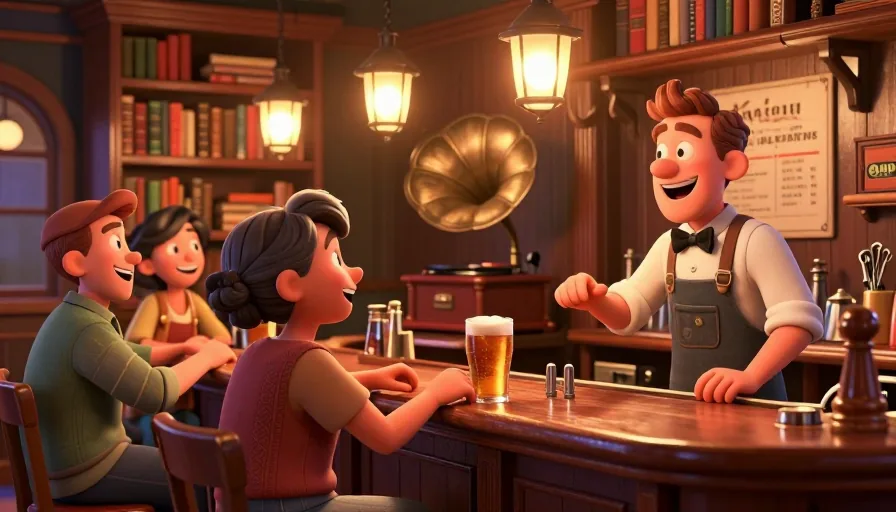
British sayings are a rich tapestry of idioms, colloquialisms, and old-fashioned phrases that add depth and authenticity to the English language. Unlike textbook English, these British sayings offer a glimpse into the cultural nuances and historical context that shape everyday conversations in the UK. This guide will help you understand, use, and appreciate these phrases to achieve native-like fluency.
Understanding the Difference: Textbook English vs. Real British English
Textbook English is structured and formal, designed to teach grammar and vocabulary. However, real British English is dynamic and informal, filled with idioms and slang that can be confusing to learners. For instance, while textbook English might teach you to say "I am feeling unwell," a Brit might say, "I'm not feeling my best today." Understanding this difference is crucial for effective communication.
Why British Sayings Differ
- Cultural Context: British sayings often reflect historical events, traditions, and social norms.
- Regional Variations: Different regions in the UK have unique phrases and accents.
- Evolution of Language: Language evolves, and so do sayings. What was once common might now be considered old-fashioned.
Essential British Idioms and Sayings for Everyday Conversation
Idioms are phrases that have a figurative meaning different from their literal interpretation. Here are some essential British idioms and sayings for everyday conversation:
Common British Idioms
- Costs an arm and a leg: Something is very expensive.
- Example: "That new phone costs an arm and a leg!"
- Over the moon: Very happy or pleased.
- Example: "She was over the moon when she got the job offer."
- Piece of cake: Something is very easy.
- Example: "The exam was a piece of cake."
Practical Examples and Mini Drills
- Fill in the Blank: Complete the sentence with the correct idiom.
- She was ________ when she heard the good news.
- Answer: over the moon
- True or False: Determine if the statement is true or false.
- "That new car costs an arm and a leg" means it is very cheap.
- Answer: False
Modern Slang vs. Old-Fashioned Phrases
Modern Slang
Modern slang is constantly evolving and reflects current trends and youth culture. Examples include:
- Mate: Friend (informal)
- Example: "Hey, mate! How's it going?"
- Cheers: Thanks (informal)
- Example: "Cheers for the help!"
- Bloke: Man (informal)
- Example: "I met a bloke at the pub last night."
Old-Fashioned Phrases
Old-fashioned phrases add a touch of elegance and nostalgia to conversations. Examples include:
- A fly in the ointment: A small problem that spoils something.
- Example: "The only fly in the ointment is the traffic."
- A little bird told me: A way of saying you have heard something but won't reveal your source.
- Example: "A little bird told me you're planning a surprise party."
- Bob's your uncle: Everything will be fine.
- Example: "Just follow these steps and Bob's your uncle, you'll have it fixed in no time."

Learn Languages with YouTube
Watch videos in your target language, auto-capture words into flashcards, and track your progress — all in one place.
See How It Works →How to Use These Phrases Naturally in Conversation
Tips for Natural Usage
- Context Matters: Use phrases in the right context. For example, "Bob's your uncle" is informal and best used with friends or family.
- Practice Makes Perfect: Incorporate these phrases into your daily conversations. The more you use them, the more natural they will feel.
- Listen and Learn: Pay attention to how native speakers use these phrases. Watch British TV shows, movies, and listen to podcasts.
Checklist for Mastery
- Understand the meaning of common British idioms and sayings.
- Practice using these phrases in different contexts.
- Listen to native speakers to grasp the nuances.
- Incorporate these phrases into your daily conversations.
Cultural Context Behind Certain Sayings
Historical and Social Significance
Many British sayings have deep historical and social roots. For example, "A fly in the ointment" dates back to the Bible, while "Bob's your uncle" is believed to have originated from a political scandal in the late 19th century. Understanding these origins can enrich your appreciation of the language.
Regional Variations
British sayings can vary by region. For instance, "Alright, mate?" is common in London, while "How you doing?" is more typical in the North. Being aware of these differences can help you communicate more effectively with people from different parts of the UK.
Interactive Quiz: Test Your Knowledge
- What does "over the moon" mean?
- a) Very sad
- b) Very happy
- c) Very tired
- d) Very hungry
- Answer: b) Very happy
- Which phrase means something is very expensive?
- a) A piece of cake
- b) Costs an arm and a leg
- c) A fly in the ointment
- d) Bob's your uncle
- Answer: b) Costs an arm and a leg
By mastering these British sayings, you'll not only enhance your English skills but also gain a deeper understanding of British culture and history. Happy learning!
FAQ
Why are British sayings important for learning English?
British sayings are important because they reflect the nuances and cultural context of the language. They help learners understand how native speakers communicate in everyday situations, making conversations more authentic and natural.
How can I use British sayings naturally in conversation?
To use British sayings naturally, practice incorporating them into your daily conversations. Listen to native speakers, watch British media, and pay attention to the context in which these phrases are used. The more you practice, the more comfortable you'll become with using them.
What is the difference between modern slang and old-fashioned phrases?
Modern slang is constantly evolving and reflects current trends and youth culture, while old-fashioned phrases are more traditional and often have historical or literary origins. Both add depth and authenticity to conversations, but they are used in different contexts.
Related phrases
Start with Metheus
Watch videos in your target language, auto-capture words into flashcards, and track your progress — all in one place.
Get Started →

