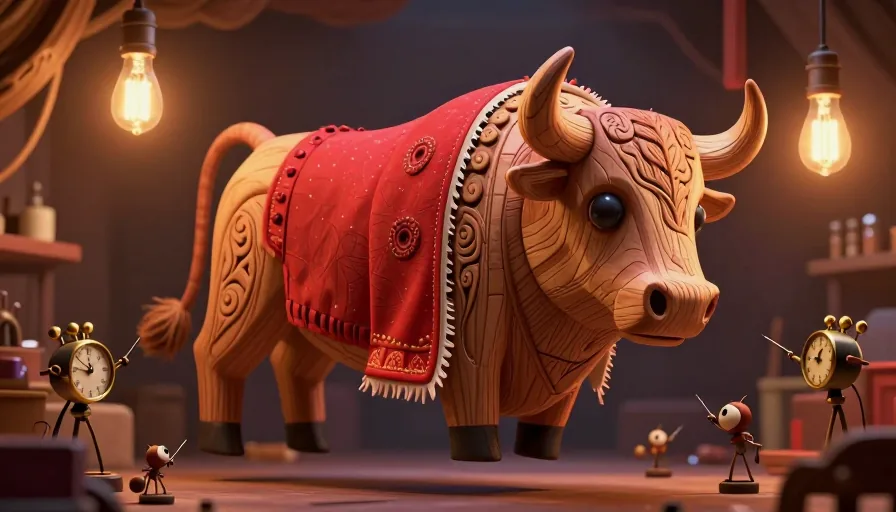
Understanding the capote meaning is essential for anyone looking to expand their vocabulary, especially in the Spanish language. This guide will delve into the definition, contextual usage, and cultural significance of the term 'capote,' providing you with practical examples and a checklist to enhance your language learning journey.
What is Capote? A Deep Dive into Meaning
The term 'capote' has a rich history and multiple meanings depending on the context. In Spanish, 'capote' can refer to a cloak or a cape, often associated with traditional Spanish attire. It can also refer to a bullfighter's cape, which is a crucial tool in the art of bullfighting. Understanding these nuances is key to mastering the term.
Etymology and Origin
The word 'capote' originates from the Latin word 'caput,' which means 'head.' This etymology reflects the protective nature of the cape, which covers the head and upper body. Over time, the term has evolved to encompass various meanings, making it a versatile word in the Spanish language.
Common Misconceptions
One common misconception is that 'capote' is exclusively used in the context of bullfighting. While it is indeed a crucial term in this context, it also has broader applications in everyday language. For example, 'capote' can refer to any type of cloak or cape, not just those used in bullfighting.
Using 'Capote' in Context: Language & Culture
To truly understand the capote meaning, it's important to see how it is used in various contexts. Here are some practical examples:
In Everyday Conversation
-
Example 1: 'Me puse el capote para protegerme del frío.' (I put on the cape to protect myself from the cold.)
-
Example 2: 'El capote de lana es muy cómodo.' (The wool cape is very comfortable.)
In Bullfighting
-
Example 3: 'El torero agitó el capote para distraer al toro.' (The bullfighter waved the cape to distract the bull.)
-
Example 4: 'El capote rojo es un símbolo de valentía en la plaza de toros.' (The red cape is a symbol of bravery in the bullring.)

Learn Languages with YouTube
Watch videos in your target language, auto-capture words into flashcards, and track your progress — all in one place.
See How It Works →Vocabulary Spotlight: Expanding Your Lexicon
Expanding your vocabulary is a crucial part of language learning. Here are some related terms and phrases that can help you understand the capote meaning more deeply:
-
Capa: A general term for a cloak or cape, often used interchangeably with 'capote.'
-
Manto: A cloak or mantle, often more formal and elaborate than a 'capote.'
-
Toreador: A bullfighter, often associated with the use of a 'capote.'
Mini Drill: Fill in the Blanks
Complete the following sentences with the correct word:
-
El _______ de lana es muy cómodo. (The wool _______ is very comfortable.)
-
El torero agitó el _______ para distraer al toro. (The bullfighter waved the _______ to distract the bull.)
-
Me puse el _______ para protegerme del frío. (I put on the _______ to protect myself from the cold.)
Checklist for Mastering 'Capote'
-
Understand the basic definition of 'capote.'
-
Learn the etymology and origin of the term.
-
Practice using 'capote' in everyday conversations.
-
Study its use in the context of bullfighting.
-
Expand your vocabulary with related terms and phrases.
-
Complete mini drills and fill-in-the-blank exercises.
Cultural Context: Capote in Spanish Culture
The capote meaning is deeply rooted in Spanish culture, particularly in the tradition of bullfighting. Understanding this cultural context can enrich your language learning experience. Bullfighting is a centuries-old tradition in Spain, and the 'capote' plays a pivotal role in this art form. The red cape, in particular, is a symbol of bravery and skill, representing the bullfighter's ability to control and manipulate the bull.
Cultural Insights
-
Bullfighting: The 'capote' is an essential tool for the bullfighter, used to distract and control the bull. The red color is often associated with the blood of the bull, adding a dramatic element to the performance.
-
Traditional Attire: In some regions of Spain, the 'capote' is part of traditional attire, worn during festivals and celebrations. It is often made of wool or other warm materials, providing protection from the cold.
Bridging the Gap: From Vocabulary to Language Learning
Understanding the capote meaning is just the beginning. At Metheus.app, we believe in a holistic approach to language learning that combines vocabulary expansion with cultural context. Our platform offers a variety of resources, including interactive lessons, cultural insights, and practical exercises, to help you master the Spanish language.
How Metheus.app Can Help
-
Interactive Lessons: Engage with interactive lessons that focus on vocabulary, grammar, and cultural context.
-
Cultural Insights: Gain a deeper understanding of Spanish culture through our cultural context lessons.
-
Practical Exercises: Practice your language skills with practical exercises and mini drills.
By leveraging our platform, you can enhance your language learning journey and achieve your language goals more effectively.
Conclusion
Understanding the capote meaning is a valuable addition to your language learning toolkit. By exploring its definition, contextual usage, and cultural significance, you can expand your vocabulary and deepen your understanding of the Spanish language. With Metheus.app, you have the resources and support you need to master the term 'capote' and achieve your language learning goals.
FAQ
Is 'capote' only used in the context of bullfighting?
No, 'capote' has broader applications. It can refer to any type of cloak or cape, not just those used in bullfighting. Understanding its various contexts can enrich your language learning experience.
How can I practice using 'capote' in everyday conversations?
You can practice by incorporating 'capote' into your daily conversations. For example, you can describe wearing a cape to stay warm or discuss traditional attire that includes a 'capote.'
What are some related terms to 'capote' that can help expand my vocabulary?
Related terms include 'capa' (a general term for a cloak or cape), 'manto' (a more formal and elaborate cloak), and 'toreador' (a bullfighter). These terms can help you understand the **capote meaning** more deeply and expand your lexicon.
Related phrases
Start with Metheus
Watch videos in your target language, auto-capture words into flashcards, and track your progress — all in one place.
Get Started →

