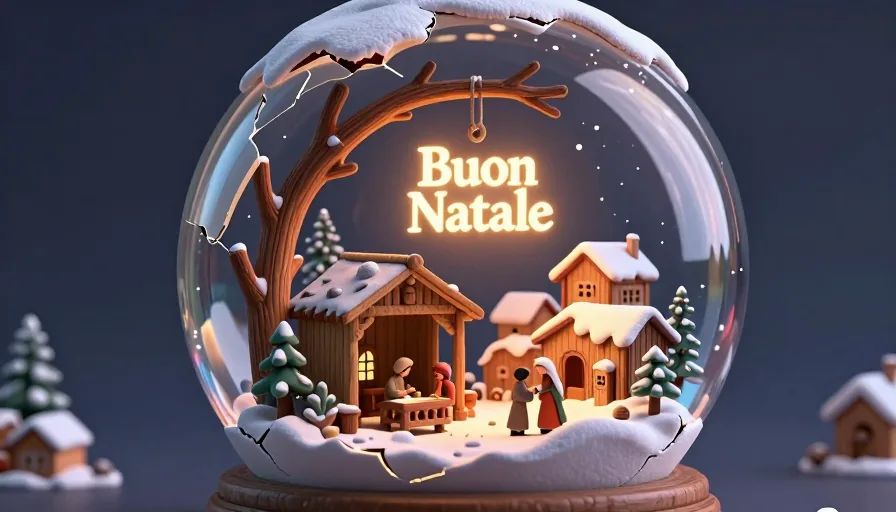
Celebrating Merry Christmas in Italy is a unique and enchanting experience, deeply rooted in the country's rich cultural and religious heritage. For language learners, understanding how to say Merry Christmas in Italian and the traditions surrounding it can greatly enhance your language skills and cultural appreciation. This guide will walk you through the essential vocabulary, customs, and conversational phrases to help you navigate the festive season like a local.
Understanding the Italian Term for Christmas
The Italian term for Christmas is Buon Natale or simply Natale. The word 'Natale' comes from the Latin word 'natalis,' which means 'birthday,' specifically referring to the birth of Jesus Christ. This etymological connection highlights the religious roots of the celebration. When greeting someone during the holiday season, you can say:
- Buon Natale! (Merry Christmas!)
- Felice Natale! (Happy Christmas!)
Mini Drill: Greeting in Italian
Practice the following greetings with a friend or language exchange partner:
- Buon Natale!
- Felice Natale!
- Buon Natale e Felice Anno Nuovo! (Merry Christmas and Happy New Year!)
Key Traditions and Customs of Italian Christmas
Christmas in Italy is a family-focused celebration with deep religious roots. The festivities begin on December 8th with the Immaculate Conception and continue through January 6th, known as the Epiphany. Here are some key traditions and customs:
The Nativity Scene (Presepe)
The Presepe is a traditional Nativity scene that is often elaborately displayed in homes and churches. It represents the birth of Jesus and is a central part of the Italian Christmas experience. Families often create their own Presepe, adding figurines and details over the years.
Christmas Eve (La Vigilia di Natale)
Christmas Eve is a significant day in Italy, marked by a large family dinner known as La Vigilia. This meal is typically meatless, featuring dishes like caponata (a sweet and sour eggplant dish), baccalà (salted cod), and various pasta dishes. The meal is a time for family to come together and share stories.
Christmas Day (Natale)
Christmas Day is celebrated with a large feast, often starting with pandoro or panettone, traditional Italian Christmas cakes. The meal includes a variety of dishes, such as tortellini in brodo (tortellini in broth), arrosto (roasted meat), and panforte (a dense, fruit and nut cake).
The Epiphany (La Befana)
On January 6th, Italians celebrate the Epiphany, marking the end of the Christmas season. According to legend, La Befana, a friendly witch, delivers gifts to children. Children leave out stockings or shoes filled with treats and coal for La Befana to fill with gifts or coal, depending on their behavior.

Learn Languages with YouTube
Watch videos in your target language, auto-capture words into flashcards, and track your progress — all in one place.
See How It Works →Essential Italian Phrases for the Holiday
Learning practical, conversational Italian phrases can help you fully immerse yourself in the holiday season. Here are some essential phrases:
Formal Greetings
- Buon Natale! (Merry Christmas!)
- Auguri di Buon Natale! (Best wishes for a Merry Christmas!)
- Felice Natale! (Happy Christmas!)
Informal Greetings
- Buon Natale! (Merry Christmas!)
- Buon Natale e Felice Anno Nuovo! (Merry Christmas and Happy New Year!)
- Buone Feste! (Happy Holidays!)
Conversational Phrases
- Come festeggi il Natale? (How do you celebrate Christmas?)
- Cosa mangi a Natale? (What do you eat for Christmas?)
- Hai un albero di Natale? (Do you have a Christmas tree?)
- Vai alla messa di mezzanotte? (Are you going to midnight mass?)
Mini Drill: Conversational Practice
Practice the following conversations with a friend or language exchange partner:
- A: Buon Natale! B: Grazie, anche a te! Come festeggi il Natale? A: Festeggio con la mia famiglia. E tu?
- A: Cosa mangi a Natale? B: Mangiamo tortellini in brodo e arrosto. E tu?
- A: Hai un albero di Natale? B: Sì, lo decoriamo insieme ogni anno. E tu?
Cultural Nuances and Family Focus
Christmas in Italy is deeply rooted in family and religious traditions. The holiday season is a time for families to reunite, share meals, and celebrate their faith. The focus on family is evident in the elaborate meals, the preparation of the Presepe, and the exchange of gifts. Understanding these cultural nuances can help you appreciate the significance of the holiday and engage more meaningfully with Italian speakers.
Checklist for a Traditional Italian Christmas
- Prepare a Presepe: Create or display a Nativity scene in your home.
- Plan a Family Meal: Organize a large family dinner for Christmas Eve or Christmas Day.
- Bake Traditional Treats: Make pandoro, panettone, or panforte to enjoy during the holiday season.
- Exchange Gifts: Give and receive gifts, especially on Christmas Eve and the Epiphany.
- Attend Religious Services: Participate in midnight mass or other religious celebrations.
Practical Tips for Language Learners
To make the most of your language learning experience during the holiday season, consider the following tips:
Immerse Yourself in the Culture
- Watch Italian Christmas Movies: Enjoy films like La Vita è Bella or Il Postino to get a sense of Italian culture and language.
- Listen to Italian Christmas Music: Sing along to traditional carols like Tu Scendi Dalle Stelle or Astro del Ciel.
- Read Italian Christmas Stories: Explore tales like Il Piccolo Principe or Pinocchio to improve your reading skills.
Practice Conversational Italian
- Join a Language Exchange: Find a language exchange partner to practice speaking Italian and learn about their Christmas traditions.
- Attend Local Events: Participate in local Italian community events or celebrations to immerse yourself in the culture.
- Cook Italian Dishes: Prepare traditional Italian Christmas dishes with a friend or family member and practice the vocabulary related to cooking and food.
Conclusion
Celebrating Merry Christmas in Italy is a rich and rewarding experience that offers language learners a unique opportunity to deepen their understanding of the language and culture. By learning key vocabulary, traditions, and conversational phrases, you can fully immerse yourself in the festive season and connect with Italian speakers on a deeper level. Buon Natale!
FAQ
What is the difference between 'Buon Natale' and 'Felice Natale'?
'Buon Natale' and 'Felice Natale' both mean 'Merry Christmas' in Italian. 'Buon Natale' is more commonly used and is a straightforward way to wish someone a Merry Christmas. 'Felice Natale' is a bit more formal and translates to 'Happy Christmas.' Both are appropriate for greeting someone during the holiday season.
Is Christmas in Italy a family-focused celebration?
Yes, Christmas in Italy is deeply rooted in family traditions. The holiday season is a time for families to reunite, share meals, and celebrate their faith. The focus on family is evident in the elaborate meals, the preparation of the Presepe, and the exchange of gifts.
What are some traditional Italian Christmas dishes?
Traditional Italian Christmas dishes vary by region, but some common ones include caponata (a sweet and sour eggplant dish), baccalà (salted cod), tortellini in brodo (tortellini in broth), arrosto (roasted meat), pandoro (a traditional Italian Christmas cake), panettone (a sweet bread with candied fruit and nuts), and panforte (a dense, fruit and nut cake).
Related phrases
Start with Metheus
Watch videos in your target language, auto-capture words into flashcards, and track your progress — all in one place.
Get Started →

