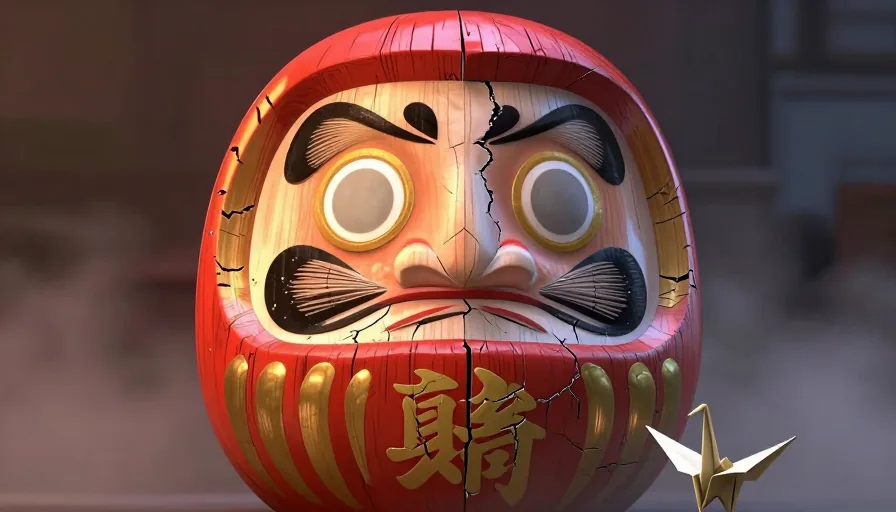
congratulation in japanese: guía práctica y clara para dominar este tema en contexto real.
Mastering Congratulations in Japanese: A Comprehensive Guide
Learning how to say congratulations in Japanese is essential for navigating various social and professional situations. Whether you're celebrating a friend's birthday, a colleague's promotion, or a significant achievement, knowing the right phrases can make a big difference. This guide will cover the basics, formal variations, and contextual usage, ensuring you're prepared for any occasion.
The Basics: Understanding 'Omedetou' (おめでとう)
The core word for 'congratulations' in Japanese is おめでとう (omedetou). This phrase is versatile and can be used in both casual and formal settings. It literally translates to 'happy occasion' and is derived from the verb めでたい (medetai), which means 'to be happy or fortunate.'
Breakdown of 'Omedetou'
- お (o): An honorific prefix often used to show respect or politeness.
- めで (mede): From the verb めでたい (medetai), meaning 'happy' or 'fortunate.'
- とう (tou): A suffix that turns the adjective into a noun, similar to '-ness' in English.
Practical Examples
- おめでとう (omedetou): Congratulations (casual)
- おめでとうございます (omedetou gozaimasu): Congratulations (formal)
Formal Expressions for Congratulations (おめでとうございます)
When addressing someone in a formal or respectful context, use おめでとうございます (omedetou gozaimasu). This phrase is more polite and appropriate for situations like business meetings, formal events, or when congratulating someone you don't know well.
When to Use Formal Congratulations
- Business settings: Congratulating a colleague on a promotion.
- Formal events: Weddings, graduation ceremonies, or award ceremonies.
- Respectful greetings: When addressing elders or superiors.
Example Dialogue
Situation: Congratulating a colleague on a promotion.
You: ご昇進おめでとうございます (Goshōshin omedetou gozaimasu). Translation: Congratulations on your promotion.
Casual & Enthusiastic Ways to Congratulate Friends
For casual settings, おめでとう (omedetou) is perfect. It's friendly and enthusiastic, making it ideal for celebrations with friends and family.
When to Use Casual Congratulations
- Birthdays: Celebrating a friend's birthday.
- Casual gatherings: Parties, reunions, or informal events.
- Everyday achievements: Congratulating a friend on a small victory.
Example Dialogue
Situation: Congratulating a friend on their birthday.
You: 誕生日おめでとう (Tanjōbi omedetou)! Translation: Happy birthday!

Learn Languages with YouTube
Watch videos in your target language, auto-capture words into flashcards, and track your progress — all in one place.
See How It Works →Congratulations for Specific Occasions (Achievements, Birthdays, etc.)
Japanese has specific phrases for different occasions. Knowing these can help you express your congratulations more meaningfully.
Birthdays
- お誕生日おめでとう (Otanjōbi omedetou): Happy birthday (casual)
- お誕生日おめでとうございます (Otanjōbi omedetou gozaimasu): Happy birthday (formal)
Graduations
- お卒業おめでとう (Otsugyō omedetou): Congratulations on your graduation (casual)
- お卒業おめでとうございます (Otsugyō omedetou gozaimasu): Congratulations on your graduation (formal)
Achievements
- ご成就おめでとう (Goseijō omedetou): Congratulations on your achievement (casual)
- ご成就おめでとうございます (Goseijō omedetou gozaimasu): Congratulations on your achievement (formal)
Mini Drill: Match the Occasion
Match the following occasions with the appropriate congratulatory phrase:
- A friend's birthday
- A colleague's promotion
- A student's graduation
A. お誕生日おめでとう (Otanjōbi omedetou) B. ご昇進おめでとうございます (Goshōshin omedetou gozaimasu) C. お卒業おめでとうございます (Otsugyō omedetou gozaimasu)
Answers: 1-A, 2-B, 3-C
Alternative Expressions for Congratulations
Besides おめでとう (omedetou), there are other ways to express congratulations in Japanese. These phrases can add variety and depth to your language skills.
Less Common Phrases
- めでたしめでたし (Medetashi medetashi): A joyful and enthusiastic way to say 'congratulations.' Often used in celebrations.
- おめでとうございます (Omedetou gozaimasu): A more formal and respectful way to say 'congratulations.'
- おめでとうございます (Omedetou gozaimasu): A more formal and respectful way to say 'congratulations.'
Example Dialogue
Situation: Congratulating a friend on a significant achievement.
You: めでたしめでたし (Medetashi medetashi)! Translation: Congratulations! (joyful and enthusiastic)
Checklist: Mastering Congratulations in Japanese
- Understand the basic form おめでとう (omedetou) and its components.
- Learn the formal variation おめでとうございます (omedetou gozaimasu).
- Practice using these phrases in different contexts (casual vs. formal).
- Familiarize yourself with alternative expressions like めでたしめでたし (medetashi medetashi).
- Use specific phrases for different occasions (birthdays, graduations, achievements).
By following this checklist, you'll be well-equipped to congratulate others in Japanese with confidence and appropriateness.
Common Mistakes to Avoid
- Overusing formal phrases in casual settings: This can make you sound stiff or overly formal.
- Using casual phrases in formal settings: This can come across as disrespectful or inappropriate.
- Mispronouncing the phrases: Pay attention to the correct pronunciation to avoid misunderstandings.
Practice Tips
- Listen to native speakers: Use language learning apps or watch Japanese media to hear how these phrases are used.
- Practice with a language partner: Find a language exchange partner to practice different scenarios.
- Use flashcards: Create flashcards with different phrases and their contexts to reinforce your memory.
Conclusion
Mastering congratulations in Japanese involves understanding the nuances of formality and context. By learning the basic forms, formal variations, and alternative expressions, you'll be able to navigate various social and professional situations with ease. Practice regularly and pay attention to the context to ensure you're using the right phrase at the right time.
FAQ
What is the difference between 'おめでとう (omedetou)' and 'おめでとうございます (omedetou gozaimasu)'?
'おめでとう (omedetou)' is a casual way to say 'congratulations' and is used in informal settings with friends and family. 'おめでとうございます (omedetou gozaimasu)' is a formal variation and is appropriate for business settings, formal events, or when addressing someone you don't know well.
Can I use 'おめでとう (omedetou)' in a professional setting?
While 'おめでとう (omedetou)' is generally casual, it can be used in professional settings with colleagues you are familiar with. However, for more formal or respectful contexts, it's better to use 'おめでとうございます (omedetou gozaimasu)' to show proper respect and politeness.
Are there any alternative expressions for 'congratulations' in Japanese?
Yes, there are alternative expressions like 'めでたしめでたし (medetashi medetashi)', which is a joyful and enthusiastic way to say 'congratulations.' It is often used in celebrations and adds variety to your language skills.
Related phrases
Start with Metheus
Watch videos in your target language, auto-capture words into flashcards, and track your progress — all in one place.
Get Started →

