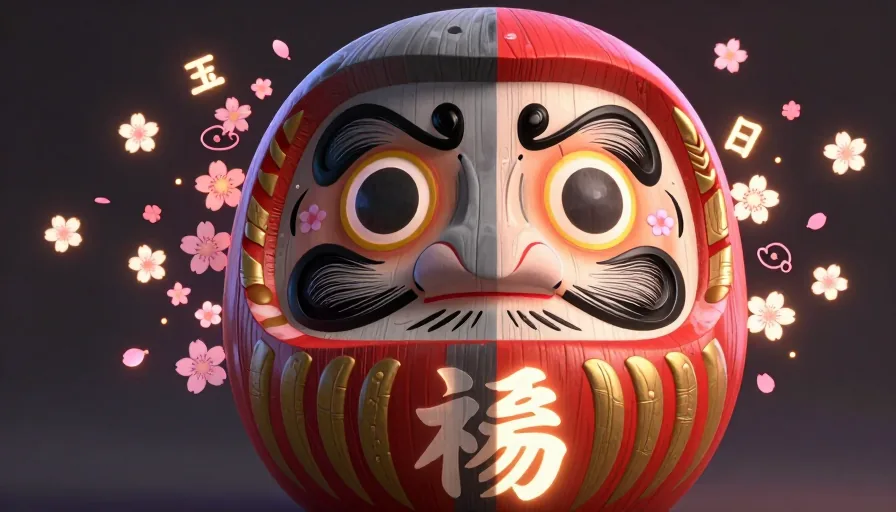
Learning how to say 'congrats in Japanese' is essential for celebrating life's special moments with friends, family, and colleagues. Whether you're congratulating someone on a promotion, a birthday, or a significant achievement, understanding the nuances of Japanese congratulatory phrases will enhance your communication skills and cultural sensitivity.
The Essential Core: おめでとう (Omedetou) vs. おめでとうございます (Omedetou Gozaimasu)
The core phrase for saying 'congrats in Japanese' is おめでとう (Omedetou). This phrase is versatile and can be used in various contexts. However, the formality level can change depending on the situation. Here’s a breakdown:
- おめでとう (Omedetou): Casual and informal, suitable for friends and family.
- おめでとうございます (Omedetou Gozaimasu): Formal and polite, appropriate for colleagues, superiors, and formal occasions.
Pronunciation Guide
- Omedetou: Pronounced as /oh-meh-deh-toh/
- Omedetou Gozaimasu: Pronounced as /oh-meh-deh-toh goh-zah-ee-mah-soo/
Mini Drill
Practice saying these phrases aloud to get comfortable with the pronunciation:
- Omedetou (oh-meh-deh-toh)
- Omedetou Gozaimasu (oh-meh-deh-toh goh-zah-ee-mah-soo)
Beyond the Basics: 10 Ways to Express Congratulations for Every Occasion
While Omedetou and Omedetou Gozaimasu are the go-to phrases, there are several other ways to express congratulations in Japanese. Here are 10 alternative phrases for different situations:
- Yatta Ne! (やったね!): Casual and enthusiastic, used for achievements and successes.
- Example: Yatta Ne! You passed your exam!
- Medetashi Medetashi (めでたしめでたし): Joyous and celebratory, often used in formal contexts.
- Example: Medetashi Medetashi! Congratulations on your wedding!
- Ganbatte Ne! (がんばってね!): Encouraging and supportive, used for ongoing efforts.
- Example: Ganbatte Ne! Keep up the good work!
- Otsukaresama (お疲れ様): Literally means 'you must be tired,' but is used to acknowledge someone's hard work.
- Example: Otsukaresama! You've worked so hard on this project.
- Sugoi Ne! (すごいね!): Casual and excited, used for impressive achievements.
- Example: Sugoi Ne! That's an amazing score!
- Kansha Shimasu (感謝します): Formal and respectful, used to express gratitude and congratulations.
- Example: Kansha Shimasu! Thank you for your hard work.
- Kyoufu Da Ne! (凄いね!): Casual and enthusiastic, used for extraordinary achievements.
- Example: Kyoufu Da Ne! That's incredible!
- Yoroshiku Onegaishimasu (よろしくお願いします): Formal and respectful, used to express good wishes and congratulations.
- Example: Yoroshiku Onegaishimasu! Congratulations on your new job.
- Kansha Shiteimasu (感謝しています): Formal and respectful, used to express gratitude and congratulations.
- Example: Kansha Shiteimasu! Thank you for your hard work.
- Omedetou Gozaimasu (おめでとうございます): Formal and polite, appropriate for colleagues, superiors, and formal occasions.
- Example: Omedetou Gozaimasu! Congratulations on your promotion.
Practical Examples
- Birthday: Omedetou! Happy Birthday!
- Promotion: Omedetou Gozaimasu! Congratulations on your promotion!
- Achievement: Yatta Ne! You did it!
- Wedding: Medetashi Medetashi! Congratulations on your wedding!
- Graduation: Omedetou! Congratulations on your graduation!

Learn Languages with YouTube
Watch videos in your target language, auto-capture words into flashcards, and track your progress — all in one place.
See How It Works →Cultural Nuances: When to Use Formal vs. Casual Japanese Congratulations
Understanding the cultural context is crucial when deciding between formal and casual Japanese congratulations. Here are some guidelines:
- Formal Contexts: Use Omedetou Gozaimasu for colleagues, superiors, and formal occasions. This phrase shows respect and politeness.
- Casual Contexts: Use Omedetou for friends, family, and informal settings. This phrase is more relaxed and friendly.
- Situational Nuances: Use alternative phrases like Yatta Ne! and Medetashi Medetashi for specific situations to add variety and cultural authenticity.
Checklist for Choosing the Right Phrase
- Identify the formality level of the situation.
- Consider the relationship with the person you are congratulating.
- Choose the appropriate phrase based on the context and relationship.
- Practice the pronunciation to ensure clarity and respect.
Common Mistakes to Avoid
- Overusing Omedetou: While Omedetou is versatile, overusing it can make your congratulations feel generic. Mix it up with alternative phrases.
- Ignoring Formality: Using a casual phrase in a formal setting can be disrespectful. Always consider the context and relationship.
- Incorrect Pronunciation: Mispronouncing phrases can lead to misunderstandings. Practice the pronunciation to ensure clarity.
- Lack of Cultural Sensitivity: Understanding the cultural nuances of Japanese congratulations is essential. Research and practice to avoid cultural faux pas.
Mini Drill: Practice Situational Congratulations
Imagine the following scenarios and choose the appropriate phrase:
- Congratulating a friend on their birthday.
- Congratulating a colleague on their promotion.
- Congratulating a family member on their graduation.
- Congratulating a friend on passing an exam.
- Congratulating a colleague on completing a project.
Answers
- Omedetou
- Omedetou Gozaimasu
- Omedetou
- Yatta Ne!
- Otsukaresama
Conclusion
Mastering 'congrats in Japanese' involves understanding the nuances of different phrases, their cultural context, and appropriate usage. By practicing these phrases and understanding their nuances, you can express joy and celebrate life's special moments with confidence and cultural sensitivity.
Final Checklist
- Learn the core phrases: Omedetou and Omedetou Gozaimasu.
- Practice alternative phrases for different situations.
- Understand the cultural context and formality levels.
- Practice pronunciation to ensure clarity and respect.
- Avoid common mistakes and cultural faux pas.
By following this comprehensive guide, you'll be well-equipped to express 'congrats in Japanese' in any situation.
FAQ
What is the difference between Omedetou and Omedetou Gozaimasu?
Omedetou is a casual and informal way to say congratulations, suitable for friends and family. Omedetou Gozaimasu is a formal and polite phrase, appropriate for colleagues, superiors, and formal occasions.
Can I use Omedetou in a formal setting?
While Omedetou is versatile, it is generally more appropriate for casual and informal settings. For formal contexts, it is better to use Omedetou Gozaimasu to show respect and politeness.
Are there alternative phrases to Omedetou?
Yes, there are several alternative phrases like Yatta Ne!, Medetashi Medetashi, and Otsukaresama that can be used in different situations to add variety and cultural authenticity.
Related phrases
Start with Metheus
Watch videos in your target language, auto-capture words into flashcards, and track your progress — all in one place.
Get Started →

