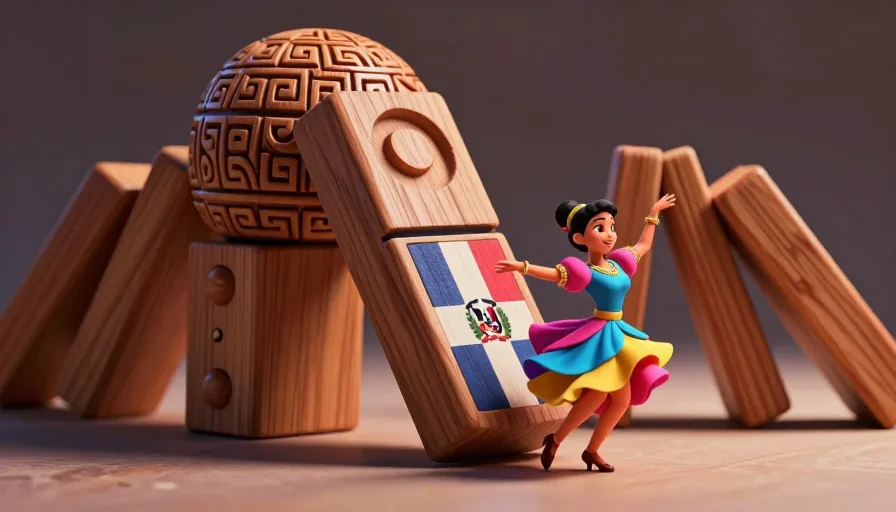
Mastering Dominican Republic Phrases: Essential Conversational Skills for Travelers and Language Learners
Dominican Republic phrases are essential for anyone looking to immerse themselves in the vibrant culture of the Caribbean. Whether you're planning a trip or simply want to enhance your Spanish skills, mastering key phrases will make your interactions more meaningful and enjoyable. This guide goes beyond basic vocabulary, focusing on practical, situational phrases and the cultural context behind them.
Essential Dominican Phrases for Travelers: From Greetings to Getting Around
Greetings and Basic Phrases
Greetings are the foundation of any conversation. In the Dominican Republic, you'll often hear:
- Hola (Hello)
- ¿Cómo estás? (How are you?)
- Bien, gracias. ¿Y tú? (Good, thanks. And you?)
- ¿Cómo te llamas? (What's your name?)
- Mucho gusto (Nice to meet you)
Pronunciation Tip: Practice the rolling 'r' sound in words like 'gracias' and 'gusto'.
Ordering Food
Food is a central part of Dominican culture. Here are some phrases to help you navigate menus and order like a local:
- ¿Qué me recomienda? (What do you recommend?)
- Quisiera probar el... (I would like to try the...)
- ¿Puedo ver el menú, por favor? (Can I see the menu, please?)
- ¿Cuánto cuesta? (How much does it cost?)
- La cuenta, por favor (The bill, please)
Example:
Waiter: ¿Qué desea ordenar? (What would you like to order?) You: Quisiera probar el sancocho, por favor. (I would like to try the sancocho, please.)
Asking for Directions
Getting around can be challenging in a new place. Use these phrases to ask for directions:
- ¿Dónde está el baño? (Where is the bathroom?)
- ¿Cómo llego a...? (How do I get to...?)
- ¿A qué distancia está? (How far is it?)
- ¿Puedo tomar un taxi aquí? (Can I take a taxi from here?)
- ¿Dónde está la parada de autobús? (Where is the bus stop?)
Example:
You: ¿Cómo llego a la playa, por favor? (How do I get to the beach, please?) Local: Siga recto y gire a la derecha en la segunda calle. (Go straight and turn right at the second street.)
Decoding Dominican Slang: Understanding the Vibe
Dominican slang, or 'dominicanismos,' adds flavor to conversations. Here are some common phrases and their meanings:
- ¿Qué bola? (What's up?)
- ¿Qué tal? (How's it going?)
- Máquina (Cool, awesome)
- Chévere (Great, fantastic)
- Pana (Friend, buddy)
- ¿Y tú? (And you?)
Cultural Note: Dominicans often use slang to show camaraderie and friendliness. Don't be afraid to use these phrases in casual settings.
Common Mistakes to Avoid
- Overusing slang: While slang is fun, overusing it can make you sound insincere.
- Mispronunciation: Pay attention to the unique Dominican accent and intonation.
- Ignoring context: Some phrases are specific to certain situations. Use them appropriately.

Learn Languages with YouTube
Watch videos in your target language, auto-capture words into flashcards, and track your progress — all in one place.
See How It Works →Putting It Together: Real-Life Conversation Scenarios
At the Market
Vendor: ¿Qué desea comprar? (What would you like to buy?) You: Quisiera comprar algunas frutas, por favor. (I would like to buy some fruits, please.) Vendor: ¿Cuáles frutas le gustan? (Which fruits do you like?) You: Me gustan las manzanas y las naranjas. (I like apples and oranges.)
At a Local Festival
Friend: ¿Qué bola, pana? (What's up, buddy?) You: Máquina, ¿y tú? (Cool, and you?) Friend: Chévere, vamos a bailar. (Great, let's go dance.)
Checklist for Mastering Dominican Republic Phrases
- Learn basic greetings and responses.
- Practice ordering food and asking for directions.
- Familiarize yourself with common slang and idioms.
- Understand the cultural context behind the phrases.
- Practice pronunciation with a focus on the Dominican accent.
- Engage in real-life conversations to build confidence.
Pronunciation Tips for Key Phrases
- Roll your Rs: Dominican Spanish has a distinctive rolling 'r' sound. Practice words like 'gracias' and 'perro'.
- Intonation: Pay attention to the rising and falling intonation in questions and statements.
- Vowel sounds: Dominican Spanish has clear vowel sounds. Practice words like 'casa' and 'carro'.
Mini Drill: Pronunciation Practice
- Greetings: Hola, ¿cómo estás?
- Food: Quisiera probar el sancocho.
- Directions: ¿Dónde está la playa?
- Slang: ¿Qué bola, pana?
- Pronunciation: Gracias, hasta luego.
Repeat each phrase aloud, focusing on clear pronunciation and intonation.
Cultural Context Behind the Phrases
Understanding the cultural context behind Dominican Republic phrases enhances your learning experience. Dominicans are known for their warmth and hospitality. Phrases like '¿Qué bola?' and 'chévere' reflect this friendly and laid-back attitude.
Why People Use These Phrases
- Friendliness: Dominicans value social interactions and use phrases that foster a sense of community.
- Hospitality: Phrases like 'mucho gusto' and 'gracias' are used frequently to show appreciation and respect.
- Cultural Identity: Slang and idioms are a way for Dominicans to express their unique identity and heritage.
Cultural Do's and Don'ts
- Do: Use informal phrases with friends and family.
- Don't: Overuse slang in formal settings.
- Do: Show appreciation with phrases like 'gracias' and 'mucho gusto'.
- Don't: Ignore the cultural significance of certain phrases.
Conclusion
Mastering Dominican Republic phrases is about more than just learning words; it's about understanding the culture and connecting with people. By focusing on practical, situational phrases and integrating cultural context, you'll be well on your way to meaningful interactions in the Dominican Republic.
Final Thoughts
- Practice regularly: Consistency is key in language learning.
- Engage with locals: Real-life interactions are invaluable.
- Embrace the culture: Understanding the cultural context will deepen your appreciation for the language.
By following this guide, you'll not only learn essential Dominican Republic phrases but also gain a deeper understanding of the vibrant culture that makes the Dominican Republic unique.
FAQ
Why should I learn Dominican Republic phrases instead of just basic Spanish vocabulary?
Learning Dominican Republic phrases goes beyond basic vocabulary by providing practical, situational phrases that are essential for real-world interactions. This approach helps you communicate more effectively and understand the cultural nuances that make the Dominican Republic unique.
How can I improve my pronunciation of Dominican Republic phrases?
Improving your pronunciation involves practicing the rolling 'r' sound, paying attention to intonation, and focusing on clear vowel sounds. Engaging in real-life conversations and listening to native speakers can also enhance your pronunciation skills.
What are some common mistakes to avoid when using Dominican slang?
Common mistakes include overusing slang, mispronunciation, and ignoring the context in which certain phrases are used. It's important to use slang appropriately and understand the cultural significance behind these phrases.
How can I integrate cultural context into my language learning?
Integrating cultural context involves understanding why Dominicans use certain phrases and how these phrases reflect their values and identity. Engaging with locals, practicing real-life conversations, and embracing the culture can deepen your understanding and appreciation for the language.
Related phrases
Start with Metheus
Watch videos in your target language, auto-capture words into flashcards, and track your progress — all in one place.
Get Started →

