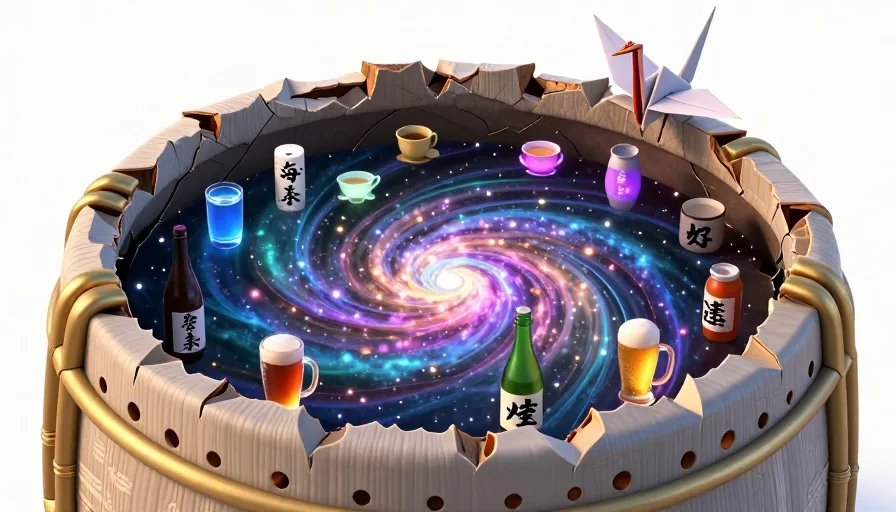
Drinks in Japanese are more than just vocabulary; they are a gateway to understanding Japanese culture and social settings. Whether you're visiting an onsen, exploring an izakaya, or dining at a restaurant, knowing how to order and discuss drinks in Japanese will enhance your experience. This guide covers essential vocabulary, cultural context, and practical phrases for ordering drinks in Japanese.
Essential Japanese Drink Vocabulary: From Water to Wine
Before diving into the cultural nuances, let's build a strong foundation of vocabulary. Here are some essential words for common drinks in Japanese:
- Water (水, mizu): Essential for staying hydrated, especially during hot summers or after a relaxing onsen.
- Tea (お茶, ocha): A staple in Japanese culture, available in various types like green tea (緑茶, ryokucha) and barley tea (むぎ茶, mugicha).
- Soda (ソーダ, sōda): A popular choice among younger generations, often enjoyed with meals or as a refreshing treat.
- Coffee (コーヒー, kōhī): Increasingly popular, especially in urban areas with numerous cafes.
- Beer (ビール, bīru): A common alcoholic beverage, often enjoyed at izakayas or during social gatherings.
- Sake (酒, sake): A traditional Japanese alcoholic beverage made from fermented rice.
Mini Drill: Practice Pronunciation
Try pronouncing these words aloud. Pay attention to the pitch accent, as it can change the meaning of a word in Japanese.
Ordering Etiquette: How to Ask for Drinks at a Japanese Restaurant
Knowing how to order drinks politely is crucial. Here are some phrases to help you navigate different scenarios:
Formal Settings
- Onegai shimasu (おねがいします): Please. Use this phrase when ordering to show politeness.
- Mizu o onegaishimasu (水をおねがいします): I would like some water, please.
- Ocha o onegaishimasu (お茶をおねがいします): I would like some tea, please.
Casual Settings
- Mizu kudasai (水ください): Give me some water.
- Ocha kudasai (お茶ください): Give me some tea.
- Bīru kudasai (ビールください): Give me a beer.
Checklist: Ordering Drinks
- Greet the server politely (e.g., Kon'nichi wa).
- Use the appropriate phrase for the setting (formal or casual).
- Specify any preferences (e.g., hot or cold).
- Say arigato gozaimasu (ありがとうございます) to thank the server.
Cultural Context: Drinks in Japanese Social Settings (Onsen & Izakaya)
Understanding when and where specific drinks are consumed is vital for a deeper appreciation of Japanese culture.
Onsen (温泉)
Onsen, or hot springs, are popular destinations for relaxation. The most common drinks you'll find at an onsen are:
- Mugicha (むぎ茶): Barley tea, often served cold to complement the hot spring experience.
- Mizu (水): Water, essential for staying hydrated.
Izakaya (居酒屋)
Izakayas are Japanese-style pubs where people gather to socialize and enjoy drinks and small dishes. Common drinks include:
- Bīru (ビール): Beer, often served chilled.
- Sake (酒): Traditional Japanese rice wine, available in various types like junmai (純米) and ginjo (吟醸).
- Shōchū (焼酎): A distilled spirit, often mixed with water or juice.
Example Scenario: Visiting an Izakaya
Imagine you're at an izakaya with friends. You might say:
- Bīru o hitotsu onegaishimasu (ビールを一つおねがいします): I would like one beer, please.
- Sake o hitotsu kudasai (酒を一つください): Give me one sake.
- Nihonshu o hitotsu onegaishimasu (日本酒を一つおねがいします): I would like one nihonshu (another term for sake), please.

Learn Languages with YouTube
Watch videos in your target language, auto-capture words into flashcards, and track your progress — all in one place.
See How It Works →Distinguishing Alcoholic and Non-Alcoholic Beverages
It's important to know the difference between alcoholic and non-alcoholic beverages in Japanese. Here are some key distinctions:
- Alcoholic Beverages: Often referred to as nōmimono (飲み物) or arui (アルコール).
- Non-Alcoholic Beverages: Often referred to as nōmimono (飲み物) or mizu (水).
Common Mistakes to Avoid
- Mistaking sake for a non-alcoholic beverage: Sake is an alcoholic beverage made from fermented rice.
- Using the wrong term for alcohol: Avoid using nōmimono interchangeably for alcoholic and non-alcoholic beverages.
Understanding Specific Japanese Drinks
Japan has a rich variety of unique beverages. Here are some you should know:
Teas
- Matcha (抹茶): Powdered green tea, often used in traditional tea ceremonies.
- Hōjicha (ほうじ茶): Roasted green tea, known for its nutty flavor and low caffeine content.
- Genmaicha (玄米茶): Green tea blended with roasted brown rice, popular for its savory taste.
Local Specialties
- Amazake (甘酒): A sweet, low-alcohol beverage made from fermented rice, often enjoyed during winter festivals.
- Yakult (ヤクルト): A probiotic drink, popular for its health benefits.
- Calpis (カルピス): A non-carbonated soft drink, often enjoyed chilled.
Mini Drill: Match the Drink to the Setting
Match the following drinks to the appropriate setting:
- Mugicha
- Bīru
- Amazake
- Onsen
- Izakaya
- Winter Festival
Practical Phrases for Ordering Drinks
Here are some additional phrases to help you order drinks confidently:
- Atatame no mizu o onegaishimasu (あたための水をおねがいします): I would like some warm water, please.
- Tsukeru (つける): To add (e.g., tsukeru mizu o onegaishimasu for adding water).
- Nanika nomimono o onegaishimasu (何か飲み物をおねがいします): I would like something to drink, please.
Checklist: Enhancing Your Ordering Skills
- Practice ordering drinks with a language exchange partner.
- Watch videos of Japanese people ordering drinks to observe pronunciation and intonation.
- Try ordering drinks in different settings (e.g., restaurant, izakaya, onsen).
Conclusion
Mastering drinks in Japanese goes beyond vocabulary; it's about understanding the cultural context and practical usage. By learning essential vocabulary, cultural nuances, and polite phrases, you'll be well-equipped to enjoy Japanese beverages like a local. Whether you're at an onsen, izakaya, or restaurant, your newfound knowledge will enhance your experience and deepen your appreciation for Japanese culture.
FAQ
How do I ask for a non-alcoholic beverage in Japanese?
To ask for a non-alcoholic beverage, you can use phrases like 'Mizu o onegaishimasu' for water or 'Ocha o onegaishimasu' for tea. If you're in a casual setting, you can say 'Mizu kudasai' or 'Ocha kudasai'. Always specify if you want it hot or cold.
What are some common mistakes to avoid when ordering drinks in Japanese?
Common mistakes include mistaking sake for a non-alcoholic beverage, using the wrong term for alcohol, and not specifying whether you want a hot or cold drink. Always use the appropriate phrase for the setting (formal or casual) and specify any preferences.
How do I order drinks at an izakaya?
At an izakaya, you can order drinks using phrases like 'Bīru o hitotsu onegaishimasu' for one beer or 'Sake o hitotsu kudasai' for one sake. Be sure to greet the server politely and say 'arigato gozaimasu' to thank them.
Related phrases
Start with Metheus
Watch videos in your target language, auto-capture words into flashcards, and track your progress — all in one place.
Get Started →

