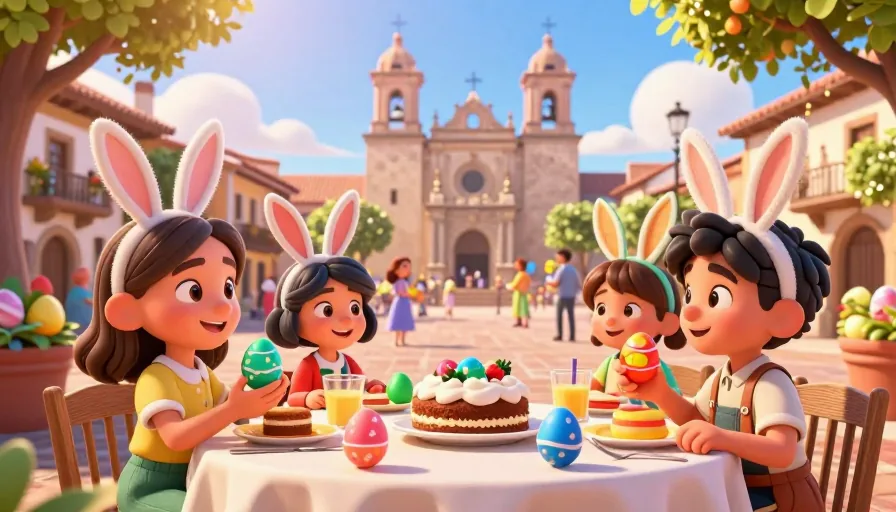
Easter in Spanish: Comprehensive Guide to Translations, Phrases, and Cultural Context
Easter in Spanish is a festive time rich with cultural significance and linguistic nuances. Whether you're planning to celebrate Easter in a Spanish-speaking country or simply want to expand your vocabulary, understanding how to say 'Easter' in Spanish and related phrases is essential. This guide will cover direct translations, common phrases, cultural context, pronunciation guides, and related vocabulary to help you master the language.
How to Say 'Easter' in Spanish: The Essential Translations
The most common way to say 'Easter' in Spanish is Pascua. This term is widely used across Spanish-speaking countries and is the direct translation of 'Easter.' However, there are regional variations and additional terms you might encounter.
Direct Translations
-
Pascua: This is the most common and widely recognized term for Easter in Spanish. It is used in both religious and secular contexts.
-
Semana Santa: This term translates to 'Holy Week' and refers to the week leading up to Easter Sunday. It is particularly important in Spanish-speaking countries with strong Catholic traditions.
Regional Variations
-
Pascua Florida: Used in some regions, particularly in Argentina and Uruguay, to refer to Easter.
-
Pascua de Resurrección: This term is used in some countries to emphasize the resurrection aspect of Easter.
Pronunciation Guide
-
Pascua: /pasˈkwa/
-
Semana Santa: /seˈmana ˈsanta/
-
Pascua Florida: /pasˈkwa floˈɾiða/
-
Pascua de Resurrección: /pasˈkwa de resurekˈsjon/
Cultural Insights: Celebrating Easter in Spanish-Speaking Communities
Easter celebrations in Spanish-speaking countries are vibrant and deeply rooted in tradition. Understanding these cultural aspects can enhance your language learning experience and help you connect with local communities.
Religious Observances
In many Spanish-speaking countries, Easter is a time of religious observance. Semana Santa is marked by processions, church services, and family gatherings. In countries like Spain and Mexico, these celebrations are particularly elaborate, with intricate floats and costumes.
Secular Traditions
In addition to religious observances, Easter is also a time for secular traditions. Pascua is celebrated with family gatherings, special meals, and gift-giving. In some countries, such as Argentina and Uruguay, Pascua Florida is celebrated with outdoor activities and picnics.
Interactive Pronunciation Practice
To improve your pronunciation, try using interactive tools like Forvo or language learning apps that offer audio recordings by native speakers. Practice the following phrases:
-
¡Feliz Pascua! (Happy Easter!)
-
¿Qué planes tienes para Semana Santa? (What are your plans for Holy Week?)
-
Vamos a celebrar Pascua Florida con una picnic. (We are going to celebrate Easter with a picnic.)

Learn Languages with YouTube
Watch videos in your target language, auto-capture words into flashcards, and track your progress — all in one place.
See How It Works →Common Phrases and Vocabulary for Easter
Expanding your vocabulary with Easter-related terms will help you engage in conversations and understand cultural nuances. Here are some common phrases and vocabulary words:
Common Phrases
-
¡Feliz Pascua!: Happy Easter!
-
¿Dónde está tu cesta de Pascua?: Where is your Easter basket?
-
Vamos a buscar huevos de Pascua: We are going to hunt for Easter eggs.
Related Vocabulary
-
Huevos de Pascua: Easter eggs
-
Conejo de Pascua: Easter Bunny
-
Cesta de Pascua: Easter basket
-
Procesión de Semana Santa: Holy Week procession
Mini Drill: Fill in the Blanks
Complete the following sentences with the correct vocabulary words:
-
______ is a traditional activity during Easter in many Spanish-speaking countries.
-
Children often look for ______ during Easter egg hunts.
-
The ______ is a symbol of Easter in many cultures.
-
During ______, families often attend church services and processions.
Checklist for Easter Vocabulary
-
Learn the direct translations of 'Easter' in Spanish.
-
Practice common phrases related to Easter.
-
Understand the cultural significance of Easter in Spanish-speaking countries.
-
Expand your vocabulary with related terms like huevos de Pascua and conejo de Pascua.
-
Use interactive tools to improve your pronunciation.
Cultural Deep-Dive: Regional Variations in Easter Celebrations
Easter celebrations vary significantly across Spanish-speaking countries. Understanding these regional variations can enrich your language learning experience and help you appreciate the diversity of Spanish culture.
Spain
In Spain, Semana Santa is a major event with elaborate processions and religious ceremonies. Each region has its unique traditions, with some of the most famous celebrations taking place in Seville and Málaga.
Mexico
In Mexico, Semana Santa is also a time of religious observance, with processions and church services. However, it is also a time for family gatherings and traditional meals. Pascua is celebrated with special dishes like capirotada (a sweet bread pudding) and romeritos (a traditional vegetable dish).
Argentina and Uruguay
In Argentina and Uruguay, Pascua Florida is celebrated with outdoor activities and picnics. Families often gather for barbecues and enjoy traditional dishes like asado (grilled meat) and empanadas (stuffed pastries).
Comparison of Regional Variations
| Region | Key Traditions | Unique Aspects |
|---|---|---|
| Spain | Elaborate processions | Regional variations in celebrations |
| Mexico | Religious observances and family gatherings | Traditional dishes like capirotada and romeritos |
| Argentina and Uruguay | Outdoor activities and picnics | Traditional dishes like asado and empanadas |
Conclusion
Learning how to say 'Easter' in Spanish and understanding the cultural context can greatly enhance your language skills and cultural awareness. By mastering the direct translations, common phrases, and related vocabulary, you can engage in meaningful conversations and appreciate the diversity of Spanish-speaking communities. Use interactive tools to improve your pronunciation and explore the regional variations to deepen your understanding of Easter celebrations in Spanish-speaking countries.
FAQ
What is the most common way to say 'Easter' in Spanish?
The most common way to say 'Easter' in Spanish is **Pascua**. This term is widely used across Spanish-speaking countries and is the direct translation of 'Easter.'
How do you say 'Happy Easter' in Spanish?
You say 'Happy Easter' in Spanish by saying **¡Feliz Pascua!**. This phrase is commonly used to wish someone a happy Easter.
What are some common Easter traditions in Spanish-speaking countries?
Common Easter traditions in Spanish-speaking countries include religious processions during **Semana Santa**, family gatherings, and special meals. In some countries, like Argentina and Uruguay, **Pascua Florida** is celebrated with outdoor activities and picnics.
Are there regional variations in how Easter is celebrated in Spanish-speaking countries?
Yes, there are significant regional variations in how Easter is celebrated. For example, in Spain, **Semana Santa** is marked by elaborate processions, while in Mexico, it is a time for religious observances and traditional meals. In Argentina and Uruguay, **Pascua Florida** is celebrated with outdoor activities and picnics.
Related phrases
Start with Metheus
Watch videos in your target language, auto-capture words into flashcards, and track your progress — all in one place.
Get Started →

