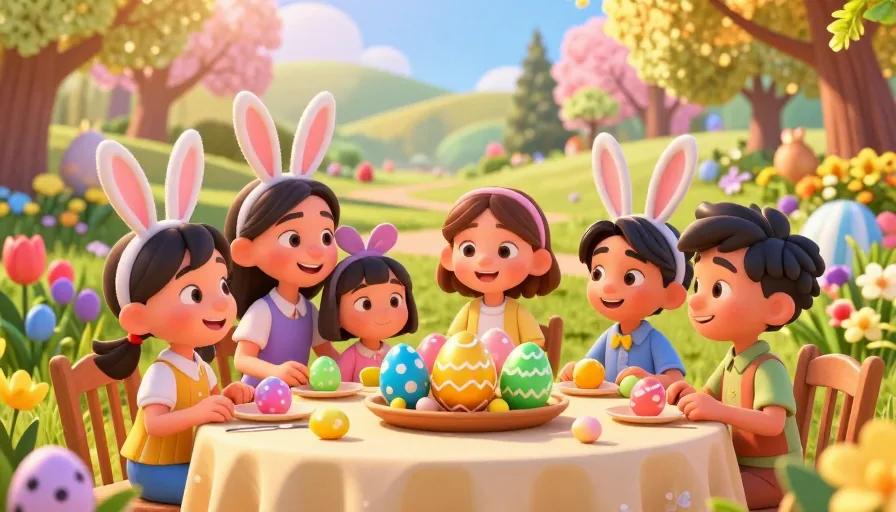
Easter is a time of joy, renewal, and celebration, and mastering vocabulary Easter terms can greatly enhance your language skills and cultural understanding. This guide will provide you with essential Easter vocabulary, contextual usage examples, and cultural insights to help you engage in meaningful conversations and immerse yourself in the rich traditions of Easter.
Understanding the Core Religious Terms of Easter
To fully appreciate the significance of Easter, it's essential to understand its core religious terms. These words are not just part of the vocabulary; they are deeply rooted in the cultural and religious fabric of the holiday.
Resurrection
The resurrection is the central theme of Easter, referring to the belief in the rising of Jesus Christ from the dead. This term is often used in religious contexts and is a cornerstone of Christian faith.
Example: "The resurrection of Jesus is celebrated on Easter Sunday, marking the triumph of life over death."
Lent
Lent is the period of fasting and reflection leading up to Easter. It begins on Ash Wednesday and lasts for 40 days, symbolizing the 40 days Jesus spent in the wilderness.
Example: "During Lent, many Christians give up certain foods or habits as a form of penance and reflection."
Palm Sunday
Palm Sunday marks the beginning of Holy Week, commemorating Jesus' triumphal entry into Jerusalem. It is celebrated with palm branches and processions.
Example: "On Palm Sunday, churches often hold special services and processions to honor Jesus' entry into Jerusalem."
Maundy Thursday
Maundy Thursday commemorates the Last Supper of Jesus with his apostles. It is also known as Holy Thursday and is a day of reflection and remembrance.
Example: "Maundy Thursday services often include the washing of feet, symbolizing humility and service."
Vocabulary for Festive Traditions and Celebrations
Beyond the religious terms, Easter is also rich in festive traditions and celebrations. Understanding the vocabulary associated with these traditions can help you participate more fully in the festivities.
Easter Eggs
Easter eggs are a symbol of new life and are often decorated and hidden for children to find during Easter egg hunts. This tradition is popular in many cultures and adds a fun element to the holiday.
Example: "We decorated Easter eggs with bright colors and patterns, ready for the Easter egg hunt."
Easter Bunny
The Easter Bunny is a mythical figure who delivers Easter eggs and treats to children. This tradition is particularly popular in Western cultures and adds a magical element to the holiday.
Example: "Children eagerly await the arrival of the Easter Bunny, hoping to find a basket full of treats."
Hot Cross Buns
Hot cross buns are a traditional Easter treat, often eaten on Good Friday. These sweet buns are marked with a cross and are a staple in many Easter celebrations.
Example: "We baked hot cross buns for our Easter brunch, enjoying the sweet and spicy flavors."

Learn Languages with YouTube
Watch videos in your target language, auto-capture words into flashcards, and track your progress — all in one place.
See How It Works →Putting Easter Words into Practice: Conversation Starters
To truly master Easter vocabulary, it's important to put these words into practice. Here are some conversation starters and interactive exercises to help you engage in meaningful discussions about Easter.
Conversation Starters
- Discussing Religious Traditions: "Can you explain the significance of Lent and how it is observed in your community?"
- Sharing Cultural Experiences: "What are some of your favorite Easter traditions and how do they differ from those in other cultures?"
- Reflecting on Personal Experiences: "How do you celebrate Easter with your family, and what are some of your fondest memories?"
Interactive Exercises
- Vocabulary Drill: Write down five Easter-related words and create sentences using them. Share your sentences with a language partner and discuss the meanings.
- Cultural Exchange: Find a friend or family member from a different cultural background and ask them about their Easter traditions. Compare and contrast these traditions with your own.
- Role-Playing: Practice a conversation about Easter with a language partner. Take turns asking and answering questions about Easter vocabulary and traditions.
Cultural Significance of Easter Vocabulary
Understanding the cultural significance of Easter vocabulary can enhance your language learning experience and help you connect with others on a deeper level. Here are some key points to consider:
Symbolism and Meaning
Many Easter words and phrases carry deep symbolism and meaning. For example, the resurrection symbolizes hope and renewal, while Lent represents reflection and penance. Understanding these symbols can help you appreciate the holiday's significance.
Cultural Variations
Easter traditions and vocabulary can vary widely across different cultures. For example, in some countries, Easter is celebrated with elaborate parades and processions, while in others, it is a more intimate family affair. Exploring these variations can enrich your cultural understanding.
Personal Connections
Easter is a time for personal reflection and connection. Sharing your experiences and listening to others' stories can create meaningful bonds and deepen your understanding of the holiday.
Checklist for Mastering Easter Vocabulary
- Learn the Core Religious Terms: Familiarize yourself with words like resurrection, Lent, Palm Sunday, and Maundy Thursday.
- Explore Festive Traditions: Understand the vocabulary associated with Easter eggs, the Easter Bunny, and hot cross buns.
- Practice Conversation Starters: Use the provided conversation starters to engage in meaningful discussions about Easter.
- Engage in Interactive Exercises: Participate in vocabulary drills, cultural exchanges, and role-playing to reinforce your learning.
- Reflect on Cultural Significance: Consider the symbolism, cultural variations, and personal connections associated with Easter vocabulary.
By following this checklist, you can master Easter vocabulary and enhance your language skills and cultural understanding.
Mini Drills for Vocabulary Easter
- Fill in the Blanks: Complete the following sentences with the correct Easter vocabulary:
- The __________ is a symbol of new life and is often hidden for children to find.
- During __________, many Christians give up certain foods or habits as a form of penance and reflection.
- The __________ marks the beginning of Holy Week, commemorating Jesus' entry into Jerusalem.
- True or False: Determine whether the following statements are true or false:
- The Easter Bunny is a mythical figure who delivers Easter eggs and treats to children.
- Hot cross buns are a traditional Easter treat, often eaten on Good Friday.
- Maundy Thursday commemorates the Last Supper of Jesus with his apostles.
- Word Association: Write down five words associated with Easter and create a short story using them.
By engaging in these mini drills, you can reinforce your understanding of Easter vocabulary and improve your language skills.
Conclusion
Mastering vocabulary Easter terms can greatly enhance your language skills and cultural understanding. By learning the core religious terms, exploring festive traditions, and engaging in meaningful conversations, you can immerse yourself in the rich traditions of Easter and connect with others on a deeper level. Use the provided conversation starters, interactive exercises, and mini drills to reinforce your learning and achieve fluency in Easter vocabulary.
FAQ
Why is it important to learn Easter vocabulary?
Learning Easter vocabulary is important because it helps you understand the cultural and religious significance of the holiday. It also enhances your language skills and allows you to engage in meaningful conversations with others.
How can I practice Easter vocabulary effectively?
You can practice Easter vocabulary effectively by using conversation starters, engaging in interactive exercises, and participating in mini drills. These activities will help you reinforce your learning and improve your fluency.
What are some common mistakes to avoid when learning Easter vocabulary?
Common mistakes to avoid include relying solely on static lists without contextual understanding, neglecting cultural significance, and not practicing the vocabulary in real-life conversations. Focus on contextual learning and cultural immersion for better retention.
Related phrases
Start with Metheus
Watch videos in your target language, auto-capture words into flashcards, and track your progress — all in one place.
Get Started →

