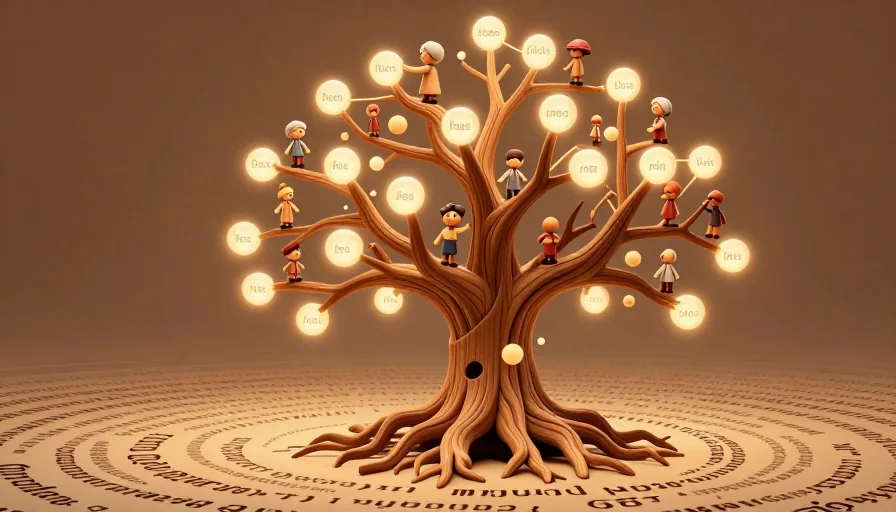
Mastering Family in Spanish: Vocabulary, Grammar, and Cultural Context
Understanding how to discuss family in Spanish is crucial for anyone learning the language. This guide goes beyond simple translations, providing you with the tools to use nuanced Spanish family vocabulary in real-life conversations, including cultural context and common idiomatic expressions.
The Core Vocabulary: Who is in Your Family?
Let's start with the basics. Here are some essential Spanish vocabulary terms for family members:
- Padre (Father) / Madre (Mother)
- Hermano (Brother) / Hermana (Sister)
- Abuelo (Grandfather) / Abuela (Grandmother)
- Tío (Uncle) / Tía (Aunt)
- Primo (Cousin) / Prima (Cousin)
- Sobrino (Nephew) / Sobrina (Niece)
Mini Drill: Gender Agreement
Identify the gender of each family member term and match it with the correct article (el/la).
- Padre
- Hermana
- Abuelo
- Tía
- Primo
Mastering Spanish Nouns: Understanding Gender in Family Terms
Spanish nouns have a gender, which is either feminine (la) or masculine (el). Understanding this is crucial for correctly using family terms. Here are some examples:
- El padre (The father)
- La madre (The mother)
- El hermano (The brother)
- La hermana (The sister)
Interactive Quiz: Gender Agreement
Test your understanding with this quick quiz:
- What is the correct article for 'madre'?
- a) El
- b) La
- What is the correct article for 'hermano'?
- a) El
- b) La
- What is the correct article for 'abuela'?
- a) El
- b) La
- What is the correct article for 'tío'?
- a) El
- b) La
- What is the correct article for 'prima'?
- a) El
- b) La

Learn Languages with YouTube
Watch videos in your target language, auto-capture words into flashcards, and track your progress — all in one place.
See How It Works →Conversational Spanish: Phrases for Talking About Family
Knowing how to use family terms in sentences is essential for real-life conversations. Here are some common phrases and expressions:
- Yo tengo una familia grande. (I have a big family.)
- Me encanta ser parte de una familia grande. (I love being part of a big family.)
- Mi familia es muy unida. (My family is very close-knit.)
- Mis padres son muy amorosos. (My parents are very loving.)
- Mis hermanos y yo nos llevamos muy bien. (My siblings and I get along very well.)
Common Mistakes to Avoid
- Mistake: Using the wrong gender article (e.g., 'el madre').
- Mistake: Incorrectly conjugating verbs in sentences about family (e.g., 'Yo tiene una familia grande').
- Mistake: Misusing idiomatic expressions (e.g., 'Mi familia es muy unida' vs. 'Mi familia es muy separada').
Cultural Nuances: Differences in How Family Structures are Discussed
In Spanish culture, the concept of 'familia' is deeply rooted and often discussed with pride and affection. Here are some cultural nuances to consider:
- La familia is often used to refer to both immediate and extended family members.
- Familia is a source of pride and identity in Spanish culture.
- La familia is often discussed in terms of unity and closeness.
Cultural Deep-Dive: The Concept of 'Familia'
In Spanish culture, 'familia' encompasses more than just immediate relatives. It includes extended family members, close friends, and even community members. This concept is reflected in the way Spanish speakers talk about their families, often emphasizing unity and closeness.
Scenario-Based Learning: Role-Playing Conversations About Family Gatherings
Practice using family vocabulary in real-life scenarios. Here are some role-playing conversations:
Scenario 1: Talking About a Family Gathering
Person A: ¿Cómo fue la reunión familiar? Person B: Fue muy divertida. Todos mis primos y tíos estaban allí. Person A: ¡Qué bien! ¿Y tus padres? Person B: Mis padres también vinieron y se divirtieron mucho.
Scenario 2: Describing Your Family
Person A: ¿Cómo es tu familia? Person B: Mi familia es muy unida. Tenemos muchas tradiciones familiares. Person A: ¡Qué bonito! ¿Y tus hermanos? Person B: Mis hermanos y yo nos llevamos muy bien. Siempre nos apoyamos.
Checklist for Mastering Family Vocabulary
- Learn the core vocabulary for family members.
- Understand and practice gender agreement for family nouns.
- Use family terms in simple sentences.
- Practice common phrases and expressions about family.
- Role-play conversations about family gatherings.
- Understand cultural nuances related to family in Spanish culture.
By following this checklist, you'll be well on your way to mastering family in Spanish and using it confidently in real-life conversations.
FAQ
How do I know if a family noun is masculine or feminine?
Spanish nouns have a gender, which is either feminine (la) or masculine (el). Generally, nouns ending in 'o' are masculine, and those ending in 'a' are feminine. However, there are exceptions, so it's best to learn the gender of each noun individually.
What are some common mistakes to avoid when talking about family in Spanish?
Common mistakes include using the wrong gender article, incorrectly conjugating verbs, and misusing idiomatic expressions. Practice with interactive quizzes and role-playing scenarios to avoid these errors.
How is the concept of 'familia' different in Spanish culture compared to English-speaking cultures?
In Spanish culture, 'familia' often includes both immediate and extended family members, as well as close friends and community members. It is a source of pride and identity, and discussions about family often emphasize unity and closeness.
Related phrases
Start with Metheus
Watch videos in your target language, auto-capture words into flashcards, and track your progress — all in one place.
Get Started →

