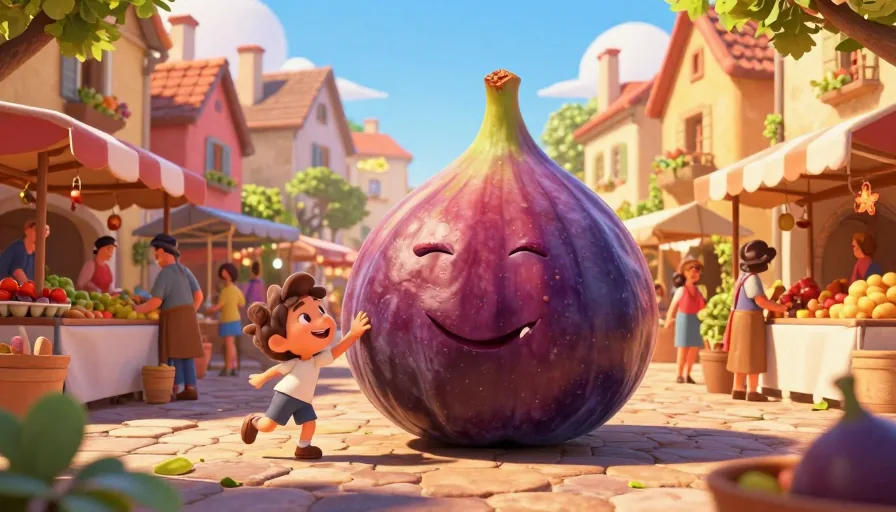
The figue meaning in French is straightforward: it translates to 'fig' in English. However, understanding the word 'figue' goes beyond a simple dictionary definition. It involves exploring its usage in various contexts, its etymological background, and its cultural significance. This guide will provide a comprehensive overview of 'figue,' helping you grasp its nuances and improve your French vocabulary.
What is 'Figue' in French? (Definition and Translation)
The word 'figue' is a noun in French that refers to the fruit of the fig tree. In English, it is directly translated as 'fig.' The word is pronounced as /fiɡ/ and is used in both singular and plural forms (figues).
Direct Translation(s) of 'Figue'
-
Figue (noun): This is the direct translation of 'fig' in English. It refers to the fruit.
-
Figue (verb context): While 'figue' is primarily a noun, it can also be part of verb phrases. For example, 'manger une figue' means 'to eat a fig.'
Contextual Usage: Where You Encounter 'Figue'
'Figue' is commonly used in various contexts, from everyday conversations to literature. Here are some common contexts where you might encounter 'figue':
Everyday Speech
In everyday speech, 'figue' is often used to describe the fruit itself or to refer to dishes that include figs. For example:
- Je veux une figue, s'il vous plaît. (I want a fig, please.)
Literature and Poetry
In literature and poetry, 'figue' can be used metaphorically or symbolically. For instance, in French poetry, the fig might symbolize sweetness or the passage of time.
Cultural Context
In French culture, figs are often associated with the Mediterranean region, where fig trees are common. They are also used in various traditional dishes and desserts.
Figue in Sentences: Practical Examples
Example Sentences in French
- J'adore les figues fraîches. (I love fresh figs.)
- Le gâteau aux figues est délicieux. (The fig cake is delicious.)
- Les figues sont riches en fibres. (Figs are rich in fiber.)
- Elle a cueilli des figues dans le jardin. (She picked figs in the garden.)
- Le marché vend des figues fraîches et sèches. (The market sells fresh and dried figs.)
Example Sentences in English
- I love fresh figs.
- The fig cake is delicious.
- Figs are rich in fiber.
- She picked figs in the garden.
- The market sells fresh and dried figs.

Learn Languages with YouTube
Watch videos in your target language, auto-capture words into flashcards, and track your progress — all in one place.
See How It Works →Etymology and Deeper Understanding
The word 'figue' comes from the Latin word 'ficus,' which also means 'fig.' The Latin word has its roots in the ancient Greek word 'sykos,' which refers to the fig tree. Understanding this etymology can help you remember the word and appreciate its historical context.
Distinction Between 'Figue' and Similar-Sounding Words
It's important to distinguish 'figue' from similar-sounding words like 'figue' (which is a typo) and 'figuier' (which means 'fig tree').
Mini Drill: Practice with 'Figue'
- Translate the following sentences from French to English:
- J'ai mangé une figue ce matin.
- Les figues sont bonnes pour la santé.
- Elle a fait un gâteau aux figues.
- Fill in the blanks with the correct form of 'figue':
- J'aime les
- Le
- Elle a acheté des
Figue vs. Figuier: A Comparative Analysis
While 'figue' refers to the fruit, 'figuier' refers to the fig tree. Understanding the difference between these two words is crucial for accurate communication.
Checklist for Mastering 'Figue'
- Understand the direct translation: Know that 'figue' means 'fig' in English.
- Practice pronunciation: Learn to pronounce 'figue' correctly as /fiɡ/.
- Use in sentences: Create your own sentences using 'figue' in various contexts.
- Explore cultural notes: Learn about the cultural significance of figs in French-speaking regions.
- Compare with similar words: Distinguish 'figue' from 'figuier' and other similar-sounding words.
By following this checklist, you can master the word 'figue' and enhance your French vocabulary.
Visual Aids and Cultural Notes
Visual Aids
- Image of a fig tree: Visualize the fig tree to understand where the fruit comes from.
- Image of fresh figs: See the appearance of fresh figs to recognize them in context.
- Image of a fig cake: Understand how figs are used in French cuisine.
Cultural Notes
- Mediterranean Connection: Figs are a staple in Mediterranean cuisine, which includes French regions like Provence.
- Traditional Dishes: Figs are used in various traditional French dishes, such as tarte aux figues (fig tart) and confiture de figues (fig jam).
Conclusion
Understanding the figue meaning in French involves more than just knowing the direct translation. It requires exploring its usage in various contexts, its etymological background, and its cultural significance. By following the guidelines and examples provided in this article, you can master the word 'figue' and enhance your French vocabulary.
FAQ
Is 'figue' only used to refer to the fruit?
While 'figue' primarily refers to the fruit, it can also be part of verb phrases, such as 'manger une figue' (to eat a fig). Additionally, it can be used metaphorically or symbolically in literature and poetry.
How do I distinguish 'figue' from 'figuier'?
'Figue' refers to the fruit, while 'figuier' refers to the fig tree. Understanding this distinction is crucial for accurate communication in French.
What are some common contexts where 'figue' is used in French?
'Figue' is commonly used in everyday speech, literature, and cultural contexts. It is often associated with Mediterranean cuisine and traditional French dishes.
Related phrases
Start with Metheus
Watch videos in your target language, auto-capture words into flashcards, and track your progress — all in one place.
Get Started →

