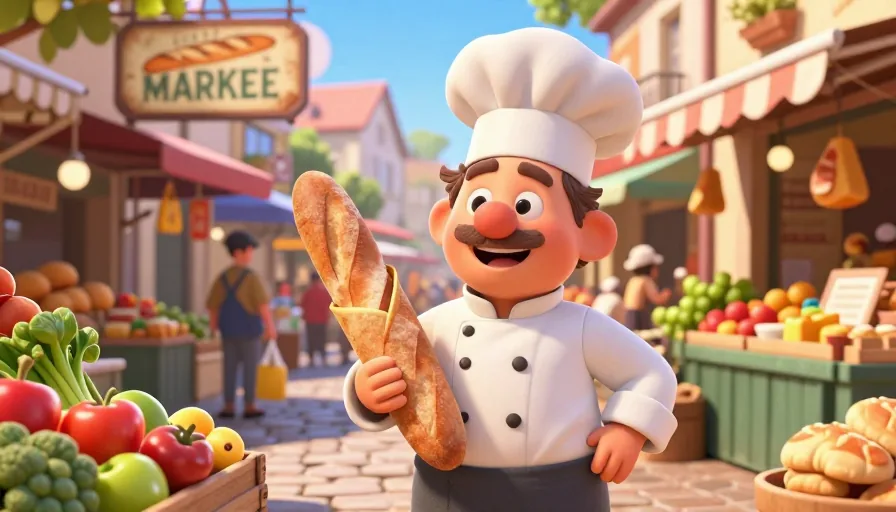
Learning the food in French language is not just about satisfying hunger; it's about immersing yourself in the rich cultural tapestry of France. Whether you're traveling, shopping, or entertaining, understanding French food vocabulary will enhance your experiences and help you navigate social settings with ease.
The Essential Vocabulary: Basic Food Groups
Fruits and Vegetables
Fruits and vegetables are staples in any language. Here are some essential terms:
- Fruits: pomme (apple), orange (orange), banane (banana), raisin (grape)
- Vegetables: carotte (carrot), tomate (tomato), pomme de terre (potato), épinard (spinach)
Mini Drill: Try to name five fruits and five vegetables in French.
Dairy and Meat
Dairy and meat products are common in French cuisine. Familiarize yourself with these terms:
- Dairy: lait (milk), fromage (cheese), beurre (butter), yaourt (yogurt)
- Meat: viande (meat), poulet (chicken), bœuf (beef), porc (pork)
Pronunciation Tip: Practice the difference between 'ou' and 'u' sounds in words like 'poulet' and 'porc'.
Desserts and Sweets
French pastries and desserts are world-renowned. Learn these key terms:
- Desserts: gâteau (cake), tarte (tart), crème brûlée (crème brûlée), macaron (macaron)
- Sweets: bonbon (candy), chocolat (chocolate), sucre (sugar)
Cultural Note: French desserts often include a variety of fruits and nuts.
Dining Out: Essential Phrases and Etiquette
Dining out in France is an experience. Here are some essential phrases:
- Ordering: Je voudrais... (I would like...), L'addition, s'il vous plaît. (The bill, please.)
- Asking for Recommendations: Qu'est-ce que vous recommandez? (What do you recommend?)
- Allergies and Preferences: Je suis végétarien/ve. (I am vegetarian.)
Checklist for Dining Out:
- Learn to ask for the menu (Le menu, s'il vous plaît.)
- Practice ordering drinks (Je voudrais un verre de vin rouge, s'il vous plaît.)
- Know how to ask for the check (L'addition, s'il vous plaît.)
From Farm to Table: Understanding French Ingredients
Understanding French ingredients will help you shop and cook like a local. Here are some key terms:
- Spices and Herbs: sel (salt), poivre (pepper), ail (garlic), thym (thyme)
- Beverages: café (coffee), thé (tea), vin (wine), eau (water)
Practical Example: When shopping, ask for specific items like 'Je cherche du fromage' (I am looking for cheese).

Learn Languages with YouTube
Watch videos in your target language, auto-capture words into flashcards, and track your progress — all in one place.
See How It Works →Verbs of the Kitchen: Actions You Need to Know
Knowing key verbs will help you navigate the kitchen and dining experiences:
- Eating: manger (to eat), boire (to drink), déguster (to savor)
- Buying: acheter (to buy), chercher (to look for), payer (to pay)
- Cooking: cuisiner (to cook), préparer (to prepare), cuire (to cook)
Pronunciation Tip: Practice the 'r' sound in words like 'manger' and 'boire'.
Common French Food Terms and Their English Equivalents
Understanding the nuances between French and English food terms is crucial:
- Entrée: In French, this is the starter or appetizer, not the main course as in American English.
- Plat principal: This is the main course.
- Dessert: This is the sweet course at the end of the meal.
Common Mistake: Avoid using 'entrée' to mean the main course in France.
Cultural Context: How Food is Used in French Social Settings
Food plays a central role in French social settings. Here are some tips:
- Dining: Meals are often leisurely and social. Learn to enjoy the pace.
- Entertaining: Hosting a meal is a common way to entertain guests. Learn to ask, 'Voulez-vous dîner avec moi?' (Would you like to dine with me?)
Practical Example: When invited to a French home, it's polite to bring a small gift, such as wine or chocolates.
Interactive Quiz: Test Your Food Vocabulary
-
What is 'pomme' in English? a) Apple b) Orange c) Banana d) Grape
-
How do you say 'I would like a glass of red wine' in French? a) Je voudrais un verre de vin rouge, s'il vous plaît. b) Je voudrais un verre de vin blanc, s'il vous plaît. c) Je voudrais un verre de jus d'orange, s'il vous plaît. d) Je voudrais un verre d'eau, s'il vous plaît.
-
What is 'fromage' in English? a) Milk b) Cheese c) Butter d) Yogurt
-
How do you ask for the bill in French? a) L'addition, s'il vous plaît. b) Le menu, s'il vous plaît. c) Je suis végétarien/ve. d) Qu'est-ce que vous recommandez?
-
What is 'gâteau' in English? a) Tart b) Cake c) Crème brûlée d) Macaron
Flashcard Integration for Quick Recall
Use flashcards to quickly recall key food terms. Here are some examples:
- Front: pomme Back: apple
- Front: fromage Back: cheese
- Front: vin Back: wine
- Front: café Back: coffee
- Front: Je voudrais... Back: I would like...
Practical Example: Create a set of flashcards for fruits and vegetables and practice them daily.
Conclusion
Mastering food in French language opens doors to richer travel experiences and deeper cultural understanding. With this guide, you're well-equipped to navigate French cuisine with confidence. Bon appétit!
FAQ
How do I ask for a vegetarian meal in French?
You can say, 'Je suis végétarien/ve.' This phrase will help you communicate your dietary preference clearly.
What is the difference between 'entrée' in French and American English?
In French, 'entrée' refers to the starter or appetizer, while in American English, it refers to the main course. The main course in French is called 'plat principal'.
How do I ask for the bill in a French restaurant?
You can say, 'L'addition, s'il vous plaît.' This phrase will help you request the bill politely.
Related phrases
Start with Metheus
Watch videos in your target language, auto-capture words into flashcards, and track your progress — all in one place.
Get Started →

