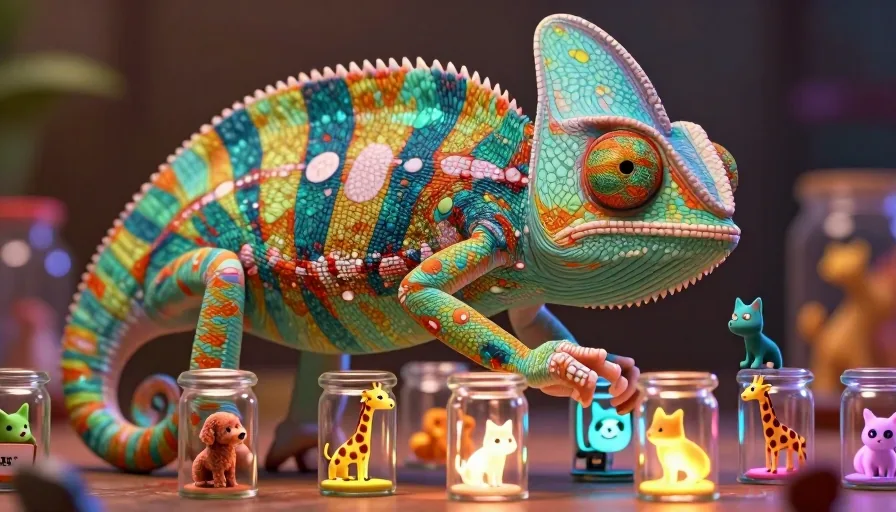
Learning French animaux is an essential part of mastering the French language. Animals are a common topic in everyday conversations, media, and cultural references. This guide provides a structured approach to learning French animal vocabulary, focusing on practical usage and pronunciation. We'll cover essential vocabulary for common animals, categorize them for easy learning, and provide pronunciation tips and real-world usage examples.
Les Animaux Domestiques (Domestic Animals)
Domestic animals are those that live with humans, often as pets. Here are some essential French animaux domestiques:
- Chat (cat) - Pronounced as /ʃa/
- Chien (dog) - Pronounced as /ʃjɛ̃/
- Poisson rouge (goldfish) - Pronounced as /pwa.sɔ̃ ʁuʒ/
- Hamster (hamster) - Pronounced as /am.stɛʁ/
- Perroquet (parrot) - Pronounced as /pɛ.ʁɔ.kɛ/
Mini Drill: Practice these words by describing your favorite pet or imagining a scenario where you encounter these animals.
Les Animaux de la Ferme (Farm Animals)
Farm animals are those typically found on farms and used for agricultural purposes. Here are some common French animaux de la ferme:
- Vache (cow) - Pronounced as /vaʃ/
- Poulet (chicken) - Pronounced as /pu.lɛ/
- Cheval (horse) - Pronounced as /ʃə.val/
- Mouton (sheep) - Pronounced as /mu.tɔ̃/
- Coq (rooster) - Pronounced as /kɔk/
Pronunciation Tip: Pay attention to the nasal sounds in French, such as in vache and mouton. These sounds are unique to French and can be challenging for non-native speakers.
Les Animaux Sauvages et de la Forêt (Wild and Forest Animals)
Wild and forest animals are those that live in natural habitats. Here are some French animaux sauvages et de la forêt:
- Loup (wolf) - Pronounced as /lu/
- Ours (bear) - Pronounced as /uʁ/
- Cerf (deer) - Pronounced as /sɛʁ/
- Renard (fox) - Pronounced as /ʁə.naʁ/
- Sanglier (wild boar) - Pronounced as /sɑ̃.ɡli.je/
Contextual Usage: Imagine you are on a nature documentary. Describe the animals you see using the vocabulary you've learned.

Learn Languages with YouTube
Watch videos in your target language, auto-capture words into flashcards, and track your progress — all in one place.
See How It Works →Vocabulaire Spécifique : Oiseaux, Reptiles et Créatures Marines
This section covers specific categories of animals, including birds, reptiles, and marine creatures. Here are some examples:
-
Oiseaux (Birds):
- Aigle (eagle) - Pronounced as /ɛɡl/
- Pigeon (pigeon) - Pronounced as /pi.ʒɔ̃/
- Canard (duck) - Pronounced as /ka.naʁ/
-
Reptiles (Reptiles):
- Serpent (snake) - Pronounced as /sɛʁ.pɑ̃/
- Tortue (turtle) - Pronounced as /tɔʁ.ty/
- Crocodile (crocodile) - Pronounced as /kʁɔ.kɔ.dil/
-
Créatures Marines (Marine Creatures):
- Requin (shark) - Pronounced as /ʁə.kɛ̃/
- Dauphin (dolphin) - Pronounced as /do.fɛ̃/
- Baleine (whale) - Pronounced as /ba.lɛn/
Pronunciation Tip: Listen to audio examples of these words to improve your pronunciation. Many language learning apps offer audio support for better learning.
Practical Checklist for Learning French Animaux
- Start with Familiar Animals: Begin with animals you are familiar with, such as pets and farm animals.
- Use Flashcards: Create flashcards with the French word on one side and the English translation on the other.
- Practice Pronunciation: Use audio resources to practice pronunciation. Repeat the words aloud to improve your accent.
- Contextual Learning: Watch French movies, TV shows, or documentaries featuring animals. Pay attention to how the animals are referred to and described.
- Engage in Conversations: Practice talking about animals with native French speakers or language exchange partners.
- Expand Your Vocabulary: Gradually move on to more specific categories like birds, reptiles, and marine creatures.
Common Mistakes to Avoid
- Ignoring Pronunciation: French pronunciation can be tricky, especially with nasal sounds. Make sure to practice pronunciation regularly.
- Overlooking Context: Animals often appear in specific contexts. Learn how to use the vocabulary in real-world situations.
- Not Practicing Regularly: Consistency is key in language learning. Make sure to practice regularly to reinforce what you've learned.
Conclusion
Learning French animaux is a fun and practical way to expand your vocabulary. By categorizing animals, practicing pronunciation, and using them in context, you can master this essential aspect of the French language. Happy learning!
FAQ
Why is it important to learn French animal vocabulary?
Learning French animal vocabulary is important because animals are a common topic in everyday conversations, media, and cultural references. It helps you understand and participate in discussions about pets, nature, and more.
How can I improve my pronunciation of French animal names?
To improve your pronunciation, use audio resources and repeat the words aloud. Pay attention to nasal sounds and unique French phonetics. Practice regularly to reinforce correct pronunciation.
What are some practical ways to use French animal vocabulary in real life?
You can use French animal vocabulary in real life by describing your pets, watching French media featuring animals, and engaging in conversations with native speakers about animals. This helps you understand and use the vocabulary in context.
Related phrases
Start with Metheus
Watch videos in your target language, auto-capture words into flashcards, and track your progress — all in one place.
Get Started →

