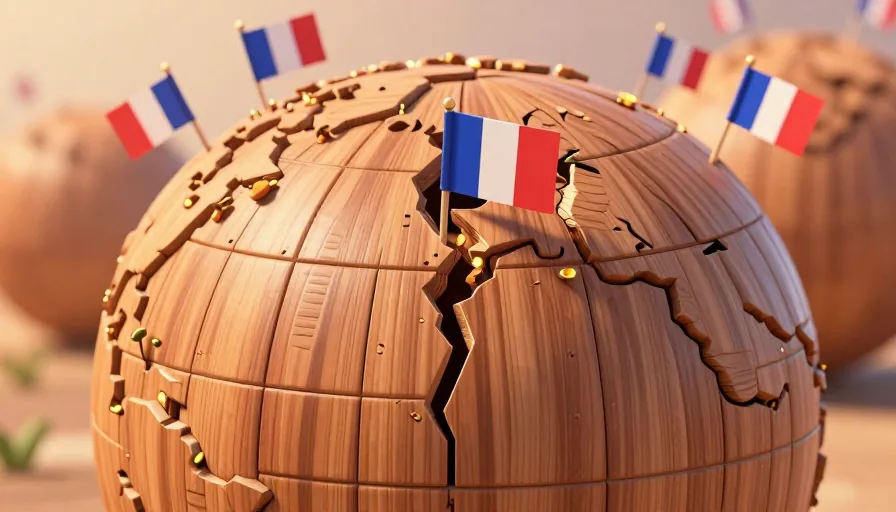
The French language extends far beyond the borders of France, with a rich global presence in French francophone countries across multiple continents. For language learners, understanding the geographic distribution and cultural nuances of these regions can significantly enhance the learning experience. This guide provides a comprehensive overview, practical tips, and actionable advice for immersing yourself in the French language and culture.
The Global Footprint of the French Language: How Many Countries Speak French?
There are approximately 29 countries and territories where French is an official language. This includes nations in Africa, Europe, North America, the Caribbean, and Oceania. French is also widely spoken in many other regions, making it one of the most influential languages globally. For language learners, this diversity offers a wealth of opportunities to practice and perfect their French skills in various cultural contexts.
A Geographic Breakdown: Where French is Spoken Around the World
Africa
Africa is home to the largest number of French-speaking countries, with 21 nations where French is an official language. This includes:
- Benin, Burkina Faso, Burundi, Cameroon, Central African Republic, Chad, Comoros, Democratic Republic of the Congo, Djibouti, Equatorial Guinea, Gabon, Guinea, Ivory Coast, Madagascar, Mali, Mauritania, Niger, Republic of the Congo, Rwanda, Senegal, and Togo.
Practical Tips for Language Learners in Africa:
- Best Places to Practice French: Major cities like Abidjan (Ivory Coast), Kinshasa (DRC), and Dakar (Senegal) offer vibrant French-speaking communities.
- Cultural Immersion: Engage with local markets, festivals, and community events to deepen your understanding of African culture and French dialects.
- Learning Pathways: Consider enrolling in local language schools or participating in exchange programs with African universities.
Europe
In Europe, French is an official language in several countries, including:
- France, Belgium, Luxembourg, Monaco, and Switzerland.
Practical Tips for Language Learners in Europe:
- Best Places to Practice French: Paris, Brussels, and Geneva are excellent cities for immersive French language practice.
- Cultural Immersion: Explore museums, theaters, and local cuisine to gain a deeper appreciation for European culture.
- Learning Pathways: Enroll in intensive language courses or participate in homestay programs for a more authentic experience.
North America
In North America, French is an official language in:
- Canada (specifically in the province of Quebec) and Haiti.
Practical Tips for Language Learners in North America:
- Best Places to Practice French: Montreal and Quebec City in Canada offer rich French-speaking environments.
- Cultural Immersion: Attend local festivals like the Montreal Jazz Festival or the Quebec Winter Carnival.
- Learning Pathways: Consider studying at French-language universities or participating in language exchange programs.
Caribbean and Oceania
The Caribbean and Oceania also have French-speaking territories, including:
- Guadeloupe, Martinique, Saint Martin, Saint Barthélemy, French Guiana, New Caledonia, French Polynesia, Wallis and Futuna, and Mayotte.
Practical Tips for Language Learners in the Caribbean and Oceania:
- Best Places to Practice French: Islands like Guadeloupe and Martinique offer unique French dialects and cultural experiences.
- Cultural Immersion: Enjoy local cuisine, music, and festivals to immerse yourself in the Caribbean and Pacific cultures.
- Learning Pathways: Participate in language immersion programs or volunteer opportunities in these regions.

Learn Languages with YouTube
Watch videos in your target language, auto-capture words into flashcards, and track your progress — all in one place.
See How It Works →Learning French: Opportunities in Francophone Regions
Study Abroad Programs
Studying abroad in a French-speaking country is one of the most effective ways to learn the language. Many universities and language schools offer programs tailored to international students. Some popular destinations include:
- Paris, France: Home to renowned institutions like the Sorbonne University.
- Montreal, Canada: Known for its vibrant French-speaking community and excellent universities.
- Dakar, Senegal: Offers a unique blend of African culture and French language immersion.
Cultural Immersion Tips
Cultural immersion is key to mastering any language. Here are some tips for immersing yourself in French-speaking cultures:
- Engage with Locals: Make friends with native speakers and practice French in everyday conversations.
- Join Local Clubs or Groups: Participate in clubs, sports teams, or cultural groups to practice French in a social setting.
- Watch Local Media: Watch French TV shows, movies, and listen to French radio to improve your listening skills.
- Read Local Newspapers: Stay updated with local news and events by reading French-language newspapers and magazines.
Mini Drills for Language Practice
Here are some mini drills to help you practice French:
- Vocabulary Drill: Learn 10 new French words related to a specific topic (e.g., food, travel, family) each day.
- Grammar Drill: Practice a specific grammar point (e.g., past tense, subjunctive) by writing sentences or having conversations.
- Listening Drill: Listen to French podcasts or watch French videos and try to summarize what you heard in French.
- Speaking Drill: Record yourself speaking French and listen back to identify areas for improvement.
Historical Context and Cultural Highlights
Africa
French influence in Africa dates back to the colonial era, with many countries retaining French as an official language post-independence. This historical context adds depth to the language-learning experience, as learners can explore the rich cultural heritage and historical sites of these regions.
Europe
In Europe, French has a long history of cultural and political influence. From the Renaissance to the Enlightenment, French has been a language of literature, science, and diplomacy. Exploring European history and culture can provide valuable insights into the evolution of the French language.
North America
In North America, French has a unique presence, particularly in Quebec, where it is the official language. The province's rich cultural heritage, including its distinctive French dialect and vibrant arts scene, offers a unique learning experience for language enthusiasts.
Caribbean and Oceania
The Caribbean and Oceania have their own unique French dialects and cultural traditions. From the Creole languages of the Caribbean to the Polynesian influences in French Polynesia, these regions offer a diverse and enriching experience for language learners.
Checklist for Language Learners in French Francophone Countries
- Research Destinations: Identify the best places to practice French based on your interests and learning goals.
- Plan Your Stay: Decide on the duration and type of program (e.g., study abroad, language immersion, volunteer work).
- Prepare Financially: Budget for travel, accommodation, and living expenses.
- Learn Basic Phrases: Familiarize yourself with essential French phrases and vocabulary before you go.
- Engage with Locals: Make an effort to connect with native speakers and participate in local activities.
- Document Your Progress: Keep a journal or blog to track your language learning journey and reflect on your experiences.
By following this comprehensive guide, you can make the most of your language-learning journey in French francophone countries. Whether you choose to study in Europe, immerse yourself in African culture, or explore the Caribbean, the opportunities for growth and discovery are endless.
Interactive Map of French-Speaking Countries
To help you visualize the global reach of the French language, here is an interactive map of French-speaking countries and territories. This map provides a clear visual breakdown of where French is spoken around the world, making it easier to plan your language-learning journey.
[Insert Interactive Map Here]
Conclusion
Exploring French francophone countries offers a unique and enriching experience for language learners. By understanding the geographic distribution, cultural nuances, and historical context of these regions, you can enhance your language skills and gain a deeper appreciation for the French language and culture. Whether you choose to study in Europe, immerse yourself in African culture, or explore the Caribbean, the opportunities for growth and discovery are endless.
FAQ
How many countries speak French as an official language?
There are approximately 29 countries and territories where French is an official language. These include nations in Africa, Europe, North America, the Caribbean, and Oceania.
What are the best places to practice French in Africa?
Some of the best places to practice French in Africa include major cities like Abidjan (Ivory Coast), Kinshasa (DRC), and Dakar (Senegal). These cities offer vibrant French-speaking communities and rich cultural experiences.
Is French widely spoken in Europe?
Yes, French is widely spoken in Europe. It is an official language in countries like France, Belgium, Luxembourg, Monaco, and Switzerland. These regions offer excellent opportunities for language learners to immerse themselves in French culture and practice the language.
What are some practical tips for learning French in North America?
In North America, some practical tips for learning French include studying in Montreal or Quebec City, Canada, where French is widely spoken. Engaging with local festivals, participating in language exchange programs, and enrolling in French-language universities can also enhance your learning experience.
How can I immerse myself in French culture in the Caribbean and Oceania?
To immerse yourself in French culture in the Caribbean and Oceania, consider visiting islands like Guadeloupe and Martinique. Engage with local cuisine, music, and festivals, and participate in language immersion programs or volunteer opportunities to gain a deeper understanding of the unique French dialects and cultural traditions in these regions.
Related phrases
Start with Metheus
Watch videos in your target language, auto-capture words into flashcards, and track your progress — all in one place.
Get Started →

