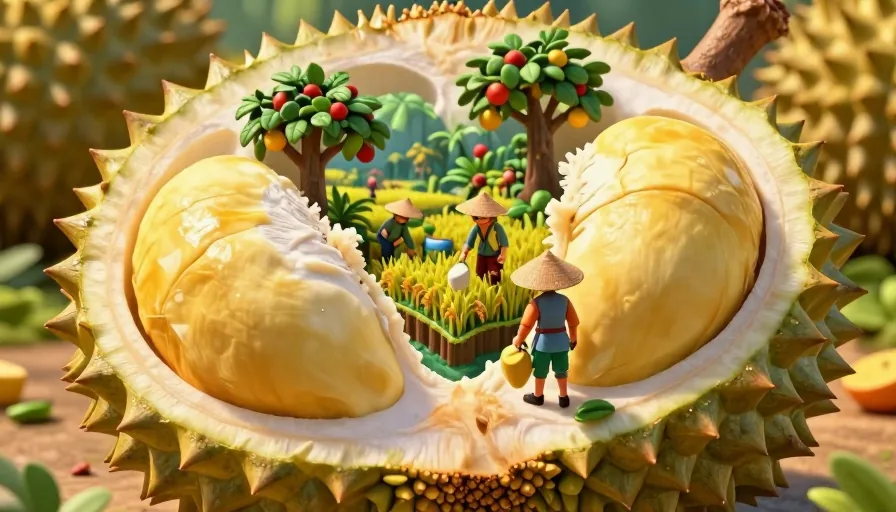
Learning fruits in Vietnamese is an excellent way to expand your vocabulary and understand the local culture. This guide covers essential and exotic fruits, providing pronunciation guides, contextual examples, and cultural insights to help you master the language.
Essential Vietnamese Fruits for Beginners
Starting with the basics is crucial for building a strong foundation in any language. Here are some common fruits in Vietnamese that you should learn first:
Beginner Fruit Vocabulary List
| English | Vietnamese | Pronunciation | Example Sentence |
|---|---|---|---|
| Apple | Táo | /taw/ | Tôi thích ăn táo. (I like to eat apples.) |
| Banana | Chuối | /choo-ee/ | Chuối ngon quá! (The banana is delicious!) |
| Orange | Cam | /kam/ | Cam có vị chua ngọt. (Oranges are sweet and sour.) |
| Pineapple | Dứa | /dwa/ | Dứa có mùi thơm. (Pineapples have a fragrant smell.) |
| Watermelon | Dưa hấu | /dwa haw/ | Dưa hấu ngon và mát lạnh. (Watermelons are refreshing and cool.) |
Pronunciation Practice
- Táo (Apple): Pronounce it like the English word 'tow.'
- Chuối (Banana): Break it down into 'choo-ee.'
- Cam (Orange): Similar to the English 'kam.'
- Dứa (Pineapple): Pronounce it like 'dwa.'
- Dưa hấu (Watermelon): Break it down into 'dwa haw.'
Mini Drill: Match the Fruit
Match the English fruit names with their Vietnamese counterparts:
- Apple
- Banana
- Orange
- Pineapple
- Watermelon
a. Dứa b. Táo c. Cam d. Chuối e. Dưa hấu
Exploring Tropical and Exotic Fruits
Vietnam is known for its diverse range of tropical and exotic fruits. Learning these can add depth to your vocabulary and cultural understanding.
Intermediate Fruit Vocabulary List
| English | Vietnamese | Pronunciation | Example Sentence |
|---|---|---|---|
| Dragon Fruit | Thanh long | /tanh long/ | Thanh long có màu hồng và trắng. (Dragon fruit is pink and white.) |
| Mango | Xoài | /sway/ | Xoài chín ngon quá! (Ripe mangoes are delicious!) |
| Mangoes | Xoài | /sway/ | Xoài chín ngon quá! (Ripe mangoes are delicious!) |
| Papaya | Đu đủ | /duh duh/ | Đu đủ có vị ngọt và mát. (Papaya is sweet and refreshing.) |
| Rambutan | Chôm chôm | /chom chom/ | Chôm chôm có vỏ đỏ và thịt trắng. (Rambutan has a red skin and white flesh.) |
| Starfruit | Khế | /keh/ | Khế có hình sao. (Starfruit is star-shaped.) |
Cultural Context
- Thanh long (Dragon Fruit): Seasonal and often found in summer.
- Xoài (Mango): Popular in both sweet and savory dishes.
- Đu đủ (Papaya): Often used in salads and smoothies.
- Chôm chôm (Rambutan): A favorite snack during hot weather.
- Khế (Starfruit): Often eaten fresh or used in desserts.
Mini Drill: Fill in the Blanks
Fill in the blanks with the correct Vietnamese fruit names:
-
I love eating
-
The
-
The
-
The
-
The

Learn Languages with YouTube
Watch videos in your target language, auto-capture words into flashcards, and track your progress — all in one place.
See How It Works →Mastering Fruit Vocabulary: Pronunciation Tips
Pronunciation is key to effective communication. Here are some tips to help you master the pronunciation of fruits in Vietnamese:
Tips for Better Pronunciation
- Listen and Repeat: Use language learning apps or YouTube videos to listen to native speakers and repeat after them.
- Practice with a Tutor: Working with a language tutor can provide immediate feedback and help you improve.
- Record Yourself: Record your pronunciation and compare it with native speakers to identify areas for improvement.
- Use Phonetic Transcriptions: Refer to phonetic transcriptions to understand the correct sounds.
- Practice Daily: Consistency is key. Make it a habit to practice pronunciation daily.
Interactive Pronunciation Practice
- Thanh long (Dragon Fruit): Listen and repeat: /tanh long/
- Xoài (Mango): Listen and repeat: /sway/
- Đu đủ (Papaya): Listen and repeat: /duh duh/
- Chôm chôm (Rambutan): Listen and repeat: /chom chom/
- Khế (Starfruit): Listen and repeat: /keh/
Categorizing Fruits for Easier Learning
Categorizing fruits by type can make learning more structured and manageable.
Citrus Fruits
| English | Vietnamese | Pronunciation | Example Sentence |
|---|---|---|---|
| Grapefruit | Bưởi | /bwoi/ | Bưởi có vị chua. (Grapefruit is sour.) |
| Lemon | Chanh | /chan/ | Chanh có vị chua. (Lemon is sour.) |
| Lime | Chanh táo | /chan taw/ | Chanh táo có vị chua hơn chanh. (Lime is more sour than lemon.) |
Berries
| English | Vietnamese | Pronunciation | Example Sentence |
|---|---|---|---|
| Blueberry | Dâu tây | /daw tay/ | Dâu tây ngon và giàu dinh dưỡng. (Blueberries are delicious and nutritious.) |
| Strawberry | Dâu tây | /daw tay/ | Dâu tây ngon và giàu dinh dưỡng. (Strawberries are delicious and nutritious.) |
Tropical Fruits
| English | Vietnamese | Pronunciation | Example Sentence |
|---|---|---|---|
| Coconut | Dừa | /duh/ | Dừa có nước ngọt. (Coconut water is sweet.) |
| Durian | Sầu riêng | /saw ryeang/ | Sầu riêng có mùi hăng. (Durian has a strong smell.) |
Mini Drill: Categorize the Fruits
Categorize the following fruits into Citrus, Berries, or Tropical:
- Grapefruit
- Blueberry
- Coconut
- Lemon
- Durian
Seasonal Fruits and Cultural Significance
Understanding the cultural significance of fruits in Vietnam can enhance your language learning experience.
Seasonal Fruits
- Mango (Xoài): Peak season is from April to June.
- Rambutan (Chôm chôm): Available from May to July.
- Dragon Fruit (Thanh long): Best enjoyed from June to August.
- Papaya (Đu đủ): Year-round but sweeter from April to June.
- Watermelon (Dưa hấu): Peak season is from May to August.
Cultural Significance
- Mango (Xoài): Often given as gifts during Tet (Lunar New Year).
- Rambutan (Chôm chôm): Popular during summer festivals.
- Dragon Fruit (Thanh long): Often used in decorative dishes during special occasions.
- Papaya (Đu đủ): Commonly used in traditional medicines and remedies.
- Watermelon (Dưa hấu): A staple during summer gatherings and family reunions.
Mini Drill: Match the Season
Match the fruit with its peak season:
- Mango
- Rambutan
- Dragon Fruit
- Papaya
- Watermelon
a. May to July b. April to June c. June to August d. Year-round e. May to August
Checklist for Mastering Fruits in Vietnamese
- Learn the basic fruit vocabulary (Beginner level).
- Practice pronunciation daily using phonetic transcriptions.
- Expand your vocabulary with intermediate and exotic fruits.
- Understand the cultural significance and seasonal availability of fruits.
- Use interactive tools like flashcards and quizzes for reinforcement.
- Engage with native speakers to improve pronunciation and context.
By following this comprehensive guide, you'll be well on your way to mastering fruits in Vietnamese. Happy learning!
FAQ
How can I improve my pronunciation of Vietnamese fruit names?
To improve your pronunciation, listen to native speakers, use phonetic transcriptions, and practice daily. Recording yourself and comparing it with native speakers can also help identify areas for improvement.
Are there any interactive tools to help me learn fruits in Vietnamese?
Yes, there are many interactive tools available, such as flashcards, quizzes, and language learning apps. These tools can help reinforce your vocabulary and pronunciation skills.
What are some common mistakes to avoid when learning fruits in Vietnamese?
Common mistakes include incorrect pronunciation, confusing similar-sounding words, and not understanding the cultural context. Practice regularly and engage with native speakers to avoid these mistakes.
Related phrases
Start with Metheus
Watch videos in your target language, auto-capture words into flashcards, and track your progress — all in one place.
Get Started →

