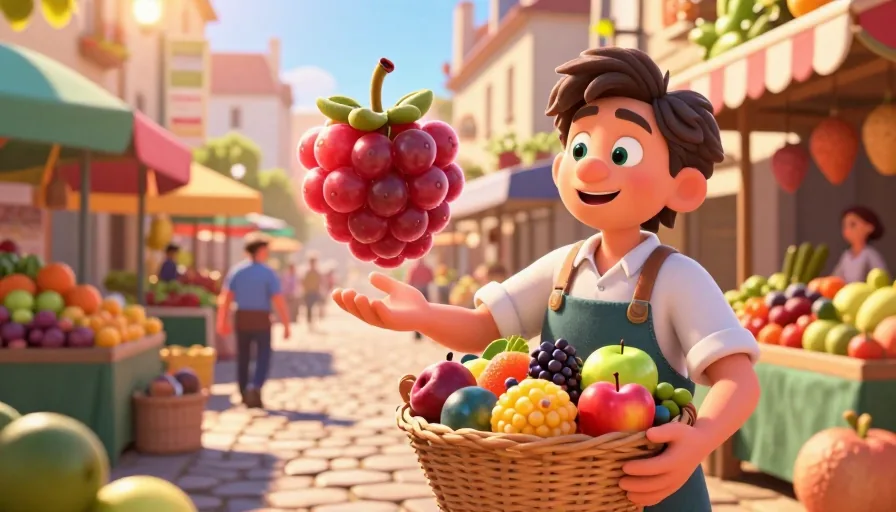
Learning fruits names in French is a delightful way to expand your vocabulary and immerse yourself in French culture. This guide provides a comprehensive list of French fruit names, complete with pronunciation guides, gender, plural forms, and cultural context. Whether you're a beginner or looking to refine your skills, this resource will help you master fruit vocabulary in French.
The Essential French Fruit Vocabulary: A Complete Guide
This guide is designed to help you learn and practice French fruit names effectively. We've included a variety of fruits, from common to exotic, along with pronunciation guides and cultural notes. Here's what you'll find:
- A comprehensive list of French fruit names
- Categorization of fruits (common, citrus, berries, exotic)
- Accurate French vocabulary, including gender and plural forms
- Pronunciation guidance with audio links
- Contextual usage examples
- Cultural context notes
Common Fruits You Need to Know
Let's start with some of the most common fruits you'll encounter in France. Here's a list of common fruits in French, along with their pronunciations, gender, and plural forms.
| English | French | Pronunciation | Gender | Plural |
|---|---|---|---|---|
| Apple | une pomme | /pɔm/ | feminine | des pommes |
| Banana | une banane | /banan/ | feminine | des bananes |
| Pear | une poire | /pwɑr/ | feminine | des poires |
| Peach | une pêche | /pɛʃ/ | feminine | des pêches |
| Plum | une prune | /pʁyn/ | feminine | des prunes |
| Cherry | une cerise | /səʁiz/ | feminine | des cerises |
| Grape | un raisin | /ʁɛzɛ̃/ | masculine | des raisins |
| Orange | une orange | /ɔʁɑ̃ʒ/ | feminine | des oranges |
| Lemon | un citron | /sitʁɔ̃/ | masculine | des citrons |
| Lime | un citron vert | /sitʁɔ̃ vɛʁ/ | masculine | des citrons verts |
Mini Drill: Practice saying the French names of these fruits out loud. Try to use them in simple sentences, such as "Je veux une pomme" (I want an apple).
Citrus Fruits and Their French Names
Citrus fruits are a staple in French cuisine. Here's a list of citrus fruits in French, along with their pronunciations, gender, and plural forms.
| English | French | Pronunciation | Gender | Plural |
|---|---|---|---|---|
| Orange | une orange | /ɔʁɑ̃ʒ/ | feminine | des oranges |
| Lemon | un citron | /sitʁɔ̃/ | masculine | des citrons |
| Lime | un citron vert | /sitʁɔ̃ vɛʁ/ | masculine | des citrons verts |
| Grapefruit | un pamplemousse | /pɑ̃pləmus/ | masculine | des pamplemousses |
| Mandarin | une mandarine | /mɑ̃daʁin/ | feminine | des mandarines |
| Clementine | une clémentine | /klemɑ̃tin/ | feminine | des clémentines |
Cultural Note: In France, oranges are often eaten as a snack or used in desserts. Mandarins and clementines are popular during the winter holidays.

Learn Languages with YouTube
Watch videos in your target language, auto-capture words into flashcards, and track your progress — all in one place.
See How It Works →Berries and Exotic Fruits: Expanding Your Vocabulary
Berries and exotic fruits add variety and excitement to your French vocabulary. Here's a list of berries and exotic fruits in French, along with their pronunciations, gender, and plural forms.
| English | French | Pronunciation | Gender | Plural |
|---|---|---|---|---|
| Strawberry | une fraise | /fʁɛz/ | feminine | des fraises |
| Raspberry | une framboise | /fʁɑ̃bwaz/ | feminine | des framboises |
| Blueberry | une myrtille | /miʁtil/ | feminine | des myrtilles |
| Blackberry | une mûre | /myʁ/ | feminine | des mûres |
| Kiwi | un kiwi | /kiwi/ | masculine | des kiwis |
| Mango | un mangue | /mɑ̃g/ | masculine | des mangues |
| Pineapple | un ananas | /ananas/ | masculine | des ananas |
| Avocado | un avocat | /avoka/ | masculine | des avocats |
Mini Drill: Try to create sentences using these fruits, such as "Je veux une fraise" (I want a strawberry).
Interactive Flashcards and Audio Pronunciation
To help you practice and reinforce your learning, we've created interactive flashcards and audio pronunciation guides for each fruit. Here's how to use them:
- Flashcards: Use the flashcards to quiz yourself on the French names of fruits. Try to recall the French name before flipping the card.
- Audio Pronunciation: Listen to the audio pronunciation for each fruit. Repeat the word out loud to improve your pronunciation and memorization.
Checklist:
- I can name at least 10 common fruits in French.
- I can pronounce each fruit name correctly.
- I can use fruit names in simple sentences.
- I can identify the gender and plural forms of each fruit name.
- I have practiced with flashcards and audio pronunciation.
Cultural Context and Usage
Understanding the cultural context of fruits in France can enhance your language learning experience. Here are some tips on when and how certain fruits are consumed in French culture:
- Apples and Pears: Often eaten as a snack or used in tarts and desserts.
- Citrus Fruits: Popular in juices, desserts, and as a snack.
- Berries: Used in pastries, jams, and as a topping for yogurt or cereal.
- Exotic Fruits: Increasingly popular in France, often enjoyed fresh or in smoothies.
Comparison Chart: French vs. English Fruit Terminology
| English | French | Pronunciation | Gender | Plural |
|---|---|---|---|---|
| Apple | une pomme | /pɔm/ | feminine | des pommes |
| Banana | une banane | /banan/ | feminine | des bananes |
| Pear | une poire | /pwɑr/ | feminine | des poires |
| Peach | une pêche | /pɛʃ/ | feminine | des pêches |
| Plum | une prune | /pʁyn/ | feminine | des prunes |
| Cherry | une cerise | /səʁiz/ | feminine | des cerises |
| Grape | un raisin | /ʁɛzɛ̃/ | masculine | des raisins |
| Orange | une orange | /ɔʁɑ̃ʒ/ | feminine | des oranges |
| Lemon | un citron | /sitʁɔ̃/ | masculine | des citrons |
| Lime | un citron vert | /sitʁɔ̃ vɛʁ/ | masculine | des citrons verts |
| Strawberry | une fraise | /fʁɛz/ | feminine | des fraises |
| Raspberry | une framboise | /fʁɑ̃bwaz/ | feminine | des framboises |
| Blueberry | une myrtille | /miʁtil/ | feminine | des myrtilles |
| Blackberry | une mûre | /myʁ/ | feminine | des mûres |
| Kiwi | un kiwi | /kiwi/ | masculine | des kiwis |
| Mango | un mangue | /mɑ̃g/ | masculine | des mangues |
| Pineapple | un ananas | /ananas/ | masculine | des ananas |
| Avocado | un avocat | /avoka/ | masculine | des avocats |
Conclusion
Learning fruits names in French is a fun and practical way to expand your vocabulary. With this comprehensive guide, you'll be able to identify, pronounce, and use French fruit names with confidence. Practice regularly with flashcards and audio pronunciation to reinforce your learning. Bon appétit!
FAQ
Why is it important to learn the gender of French nouns?
Learning the gender of French nouns is crucial because it affects the articles (le, la, les) and adjectives that accompany the noun. For example, 'une pomme' (an apple) is feminine, so you would say 'une belle pomme' (a beautiful apple), not 'un belle pomme'.
How can I improve my French pronunciation of fruit names?
To improve your French pronunciation, listen to native speakers, use audio pronunciation guides, and practice repeating the words out loud. Our interactive flashcards and audio pronunciation guides can help you with this.
Are there any cultural differences in how fruits are consumed in France?
Yes, there are cultural differences. For example, oranges are often eaten as a snack or used in desserts, while berries are commonly used in pastries and jams. Understanding these differences can enhance your language learning experience and cultural awareness.
Related phrases
Start with Metheus
Watch videos in your target language, auto-capture words into flashcards, and track your progress — all in one place.
Get Started →

