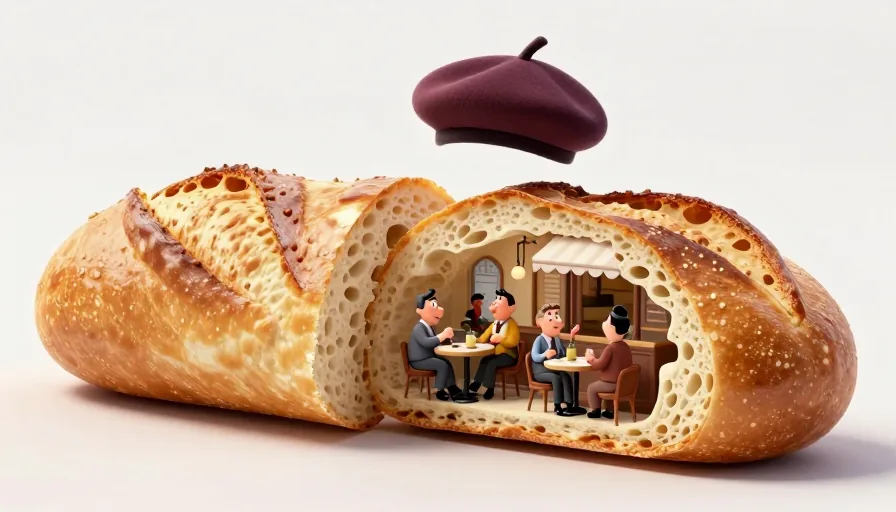
Learning a new language can be a challenging yet rewarding experience. One of the most enjoyable aspects of mastering French is delving into funny French phrases that add color and humor to everyday conversations. These idiomatic expressions not only make your language skills more nuanced but also provide a deeper understanding of French culture.
Top 10 Hilarious French Expressions for Everyday Life
-
“Pédaler dans la semoule”
- Literal Translation: “To pedal in semolina”
- Meaning: To waste time or effort on a pointless task.
- Example: Je pédale dans la semoule depuis des heures pour comprendre ce problème de maths. (I've been pedaling in semolina for hours trying to understand this math problem.)
- Cultural Context: This phrase is often used in academic or professional settings to describe futile efforts.
-
“En faire tout un fromage”
- Literal Translation: “To make a big cheese out of it”
- Meaning: To make a big deal out of something trivial.
- Example: Ne fais pas tout un fromage de cette petite erreur. (Don't make a big deal out of this small mistake.)
- Cultural Context: This phrase is commonly used in casual conversations to downplay minor issues.
-
“Mêle-toi de tes oignons !”
- Literal Translation: “Mind your own onions!”
- Meaning: Mind your own business.
- Example: Mêle-toi de tes oignons et arrête de poser des questions indiscrètes. (Mind your own business and stop asking nosy questions.)
- Cultural Context: This phrase is often used in a playful or mildly irritated manner to discourage nosy behavior.
-
“Les doigts dans le nez !”
- Literal Translation: “With your fingers in your nose!”
- Meaning: With ease.
- Example: J'ai passé mon examen les doigts dans le nez. (I passed my exam with ease.)
- Cultural Context: This phrase is used to express confidence in one's abilities.
-
“Avoir le cafard”
- Literal Translation: “To have the cockroach”
- Meaning: To feel down or depressed.
- Example: J'ai le cafard depuis que j'ai perdu mon emploi. (I've been feeling down since I lost my job.)
- Cultural Context: This phrase is often used in personal conversations to express feelings of sadness or depression.
-
“Casser les pieds”
- Literal Translation: “To break the feet”
- Meaning: To be annoying or bothersome.
- Example: Arrête de casser les pieds avec tes questions! (Stop being annoying with your questions!)
- Cultural Context: This phrase is commonly used in informal settings to express irritation.
-
“Avoir la pêche”
- Literal Translation: “To have the peach”
- Meaning: To be in high spirits or full of energy.
- Example: J'ai la pêche ce matin! (I'm full of energy this morning!)
- Cultural Context: This phrase is often used to describe a positive and energetic mood.
-
“Avoir les yeux plus gros que le ventre”
- Literal Translation: “To have eyes bigger than the stomach”
- Meaning: To be overly ambitious or greedy.
- Example: Il a les yeux plus gros que le ventre quand il s'agit de manger. (He has eyes bigger than his stomach when it comes to eating.)
- Cultural Context: This phrase is used to describe someone who takes on more than they can handle.
-
“Être dans la lune”
- Literal Translation: “To be in the moon”
- Meaning: To be daydreaming or not paying attention.
- Example: Il est toujours dans la lune en classe. (He's always daydreaming in class.)
- Cultural Context: This phrase is used to describe someone who is distracted or not fully present.
-
“Avoir la tête dans le guidon”
- Literal Translation: “To have the head in the handlebars”
- Meaning: To be too focused on work or tasks, neglecting other aspects of life.
- Example: Il a la tête dans le guidon depuis qu'il a commencé son nouveau travail. (He has his head in the handlebars since he started his new job.)
- Cultural Context: This phrase is often used in professional settings to describe someone who is overworked.

Learn Languages with YouTube
Watch videos in your target language, auto-capture words into flashcards, and track your progress — all in one place.
See How It Works →Mastering French Humor: Idioms You Need to Know
Understanding and using funny French phrases can significantly enhance your language skills and cultural awareness. Here are some tips to help you master these idiomatic expressions:
Checklist for Learning Funny French Phrases
- Listen Actively: Pay attention to how native speakers use these phrases in context.
- Practice Regularly: Incorporate these expressions into your daily conversations.
- Contextualize: Understand the cultural and situational context in which these phrases are used.
- Engage with Media: Watch French movies, TV shows, and listen to podcasts to hear these phrases in action.
- Interact with Native Speakers: Practice with native speakers to get feedback and improve your usage.
Mini Drills for Practice
-
Translation Drill: Translate the following sentences into French using the idioms you've learned:
- I've been wasting time on this project for hours.
- Don't make a big deal out of this small mistake.
- Mind your own business and stop asking nosy questions.
- I passed my exam with ease.
- I've been feeling down since I lost my job.
-
Contextual Drill: Create your own sentences using the idioms in different contexts.
- Example: Je pédale dans la semoule en essayant de comprendre ce problème de mathématiques. (I've been pedaling in semolina trying to understand this math problem.)
-
Role-Play Drill: Practice using these phrases in role-play scenarios with a language partner.
- Example: Imagine you are at a party and someone is being annoying. Use “Casser les pieds” in a sentence to express your irritation.
Share This with Friends
Learning funny French phrases is not only educational but also a lot of fun! Share this article with your friends and challenge them to a mini drill session. See who can use the most idioms in a single conversation!
Conclusion
Mastering funny French phrases is a delightful way to enrich your language learning journey. By understanding the cultural context and practicing regularly, you can incorporate these idiomatic expressions into your conversations with ease. So, go ahead and start pedaling in the semolina of French humor—you'll be laughing and learning in no time!
FAQ
Why are funny French phrases important for language learning?
Funny French phrases, or idiomatic expressions, are important because they help you understand the nuances of the language and culture. They make your conversations more engaging and authentic, moving beyond basic vocabulary.
How can I remember these funny French phrases?
To remember funny French phrases, practice using them in context, listen to native speakers, and engage with French media. Regular practice and contextual understanding will help reinforce these expressions in your memory.
Are these phrases used in everyday conversations?
Yes, these phrases are commonly used in everyday conversations. They add a layer of humor and cultural richness to your interactions, making them more enjoyable and authentic.
Can I use these phrases in formal settings?
While some of these phrases are suitable for informal settings, others may not be appropriate for formal contexts. It's important to understand the context and audience before using them in professional or formal situations.
Related phrases
Start with Metheus
Watch videos in your target language, auto-capture words into flashcards, and track your progress — all in one place.
Get Started →

