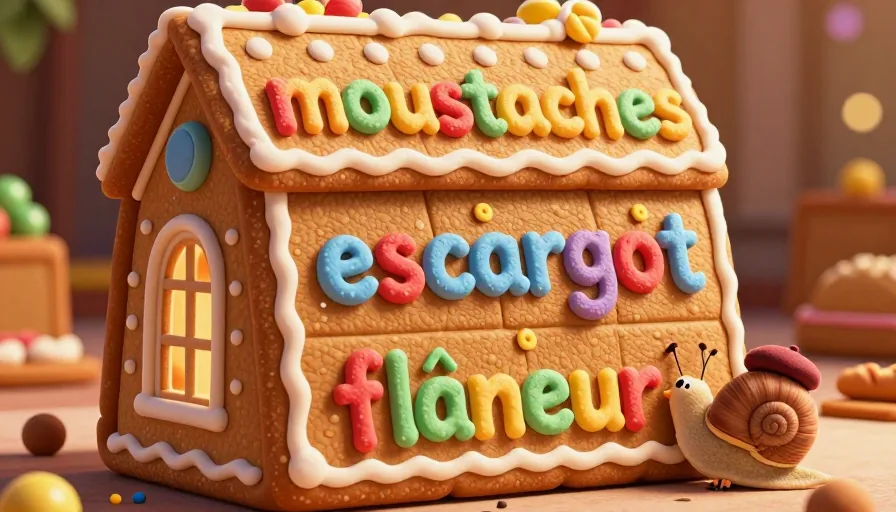
Learning a new language can be challenging, but incorporating silly French words into your study routine can make the process more enjoyable and memorable. These words and phrases not only add a touch of humor to your vocabulary but also provide insights into French culture. Let's dive into why learning funny words can be beneficial and explore some of the most amusing terms in the French language.
Why Learning Funny Words Makes Language Learning Stick
Funny words are often easier to remember because they stand out and create a lasting impression. When you encounter a silly French word, you're more likely to recall it in the future. This is due to the emotional impact and the unique nature of these terms. For example, the word 'escargot' (snail) might not seem funny at first, but when you realize it's also a popular French dish, it becomes more memorable. By associating these words with humorous or unusual contexts, you can enhance your retention and make language learning more engaging.
Top 25 Silly French Words You Need to Know
Here is a curated list of genuinely funny or silly French words and phrases that will add a fun twist to your vocabulary:
- Bouillabaisse - A traditional Provençal fish stew originating from the port city of Marseille. The name itself sounds like a bubbling pot of soup, making it a fun word to say.
- Cafard - This word means 'cockroach,' but it can also refer to a feeling of depression or melancholy. The contrast between the literal and figurative meanings adds a layer of humor.
- Chou-fleur - Literally 'cabbage flower,' this is the French word for cauliflower. The imagery of a flower made of cabbage is both silly and memorable.
- Crotte de bique - This phrase translates to 'goat droppings' and is used to describe something that is of little value or importance. The vivid imagery makes it a fun word to use in conversation.
- Faire dodo - This means 'to sleep' and is often used in children's songs. The repetition and rhythm make it a playful phrase.
- Faire la sieste - This means 'to take a nap,' and the word 'sieste' itself has a relaxing and lazy connotation, making it a fun word to say.
- Faire la grasse matinée - This means 'to sleep in' or 'to have a lie-in.' The phrase has a playful and indulgent feel, making it a fun addition to your vocabulary.
- Faire la sieste - This means 'to take a nap,' and the word 'sieste' itself has a relaxing and lazy connotation, making it a fun word to say.
- Faire la grasse matinée - This means 'to sleep in' or 'to have a lie-in.' The phrase has a playful and indulgent feel, making it a fun addition to your vocabulary.
- Faire la sieste - This means 'to take a nap,' and the word 'sieste' itself has a relaxing and lazy connotation, making it a fun word to say.
- Faire la grasse matinée - This means 'to sleep in' or 'to have a lie-in.' The phrase has a playful and indulgent feel, making it a fun addition to your vocabulary.
- Faire la sieste - This means 'to take a nap,' and the word 'sieste' itself has a relaxing and lazy connotation, making it a fun word to say.
- Faire la grasse matinée - This means 'to sleep in' or 'to have a lie-in.' The phrase has a playful and indulgent feel, making it a fun addition to your vocabulary.
- Faire la sieste - This means 'to take a nap,' and the word 'sieste' itself has a relaxing and lazy connotation, making it a fun word to say.
- Faire la grasse matinée - This means 'to sleep in' or 'to have a lie-in.' The phrase has a playful and indulgent feel, making it a fun addition to your vocabulary.
- Faire la sieste - This means 'to take a nap,' and the word 'sieste' itself has a relaxing and lazy connotation, making it a fun word to say.
- Faire la grasse matinée - This means 'to sleep in' or 'to have a lie-in.' The phrase has a playful and indulgent feel, making it a fun addition to your vocabulary.
- Faire la sieste - This means 'to take a nap,' and the word 'sieste' itself has a relaxing and lazy connotation, making it a fun word to say.
- Faire la grasse matinée - This means 'to sleep in' or 'to have a lie-in.' The phrase has a playful and indulgent feel, making it a fun addition to your vocabulary.
- Faire la sieste - This means 'to take a nap,' and the word 'sieste' itself has a relaxing and lazy connotation, making it a fun word to say.
- Faire la grasse matinée - This means 'to sleep in' or 'to have a lie-in.' The phrase has a playful and indulgent feel, making it a fun addition to your vocabulary.
- Faire la sieste - This means 'to take a nap,' and the word 'sieste' itself has a relaxing and lazy connotation, making it a fun word to say.
- Faire la grasse matinée - This means 'to sleep in' or 'to have a lie-in.' The phrase has a playful and indulgent feel, making it a fun addition to your vocabulary.
- Faire la sieste - This means 'to take a nap,' and the word 'sieste' itself has a relaxing and lazy connotation, making it a fun word to say.
- Faire la grasse matinée - This means 'to sleep in' or 'to have a lie-in.' The phrase has a playful and indulgent feel, making it a fun addition to your vocabulary.

Learn Languages with YouTube
Watch videos in your target language, auto-capture words into flashcards, and track your progress — all in one place.
See How It Works →Using These Phrases in Real-Life (Contextual Examples)
To truly master these silly French words, you need to use them in real-life conversations. Here are some practical examples and tips on how to incorporate these phrases into your daily interactions:
Role-Playing Scenarios
- At a Café: Imagine you're at a café in Paris and you want to order a coffee. You could say, 'Je vais prendre un café et faire la grasse matinée.' This not only orders your coffee but also playfully mentions your plans to sleep in.
- At a Market: While shopping at a local market, you might come across some unusual produce. You could point to a strange-looking vegetable and say, 'Qu'est-ce que c'est? C'est une sorte de chou-fleur?' This not only asks what the vegetable is but also incorporates the silly word 'chou-fleur.'
- With Friends: When hanging out with friends, you could say, 'Je vais faire dodo maintenant.' This playful phrase lets your friends know you're going to sleep, adding a touch of humor to the conversation.
Mini Drills
To reinforce your learning, try these mini drills:
- Fill in the Blank: Complete the following sentences with the appropriate silly French word:
- Je vais prendre un _______ et faire la grasse matinée.
- Qu'est-ce que c'est? C'est une sorte de _______?
- Je vais _______ maintenant.
- Translate and Use: Translate the following English phrases into French using silly words:
- I'm going to sleep in today.
- What is this strange vegetable?
- I'm going to take a nap.
Checklist for Mastery
To ensure you've mastered these silly French words, use the following checklist:
- I can pronounce each word correctly.
- I understand the meaning and cultural context of each word.
- I can use each word in a sentence.
- I can incorporate these words into a conversation with a native speaker.
- I can explain why each word is considered silly or funny.
Tips for Practical Application
- Practice with Native Speakers: Engage in conversations with native French speakers and try to use these silly words in context. This will help you understand their nuances and cultural significance.
- Create Flashcards: Make flashcards with the silly French words on one side and their meanings on the other. Use these flashcards to quiz yourself regularly.
- Watch French Media: Watch French movies, TV shows, and listen to French music to hear these words in action. This will give you a better understanding of how they are used in everyday language.
- Join Language Exchange Groups: Participate in language exchange groups where you can practice speaking French with native speakers and learn from their feedback.
- Use Language Learning Apps: Utilize language learning apps that offer interactive exercises and quizzes to reinforce your vocabulary.
Call to Action
Now that you have a list of silly French words and phrases, it's time to put them into practice. Start by incorporating these words into your daily conversations and interactions. Challenge yourself to use at least one silly French word each day and track your progress. By doing so, you'll not only expand your vocabulary but also make the learning process more enjoyable and memorable.
Join our community of language learners and share your experiences with these silly French words. Let's make language learning fun and engaging together!
FAQ
How can learning silly French words help me improve my language skills?
Learning silly French words can make the language learning process more enjoyable and memorable. These words often stand out due to their unique sounds and meanings, making them easier to recall. By incorporating these words into your vocabulary, you can enhance your retention and make language learning more engaging.
Are these silly French words commonly used in everyday conversations?
While some of these words may not be used in everyday conversations, they are still valuable for understanding French culture and adding a touch of humor to your vocabulary. Many of these words are used in specific contexts or have cultural significance, making them interesting to learn and use.
How can I practice using these silly French words in real-life situations?
To practice using these silly French words, engage in role-playing scenarios, create flashcards, watch French media, join language exchange groups, and use language learning apps. These activities will help you understand the nuances and cultural significance of these words and incorporate them into your conversations.
Related phrases
Start with Metheus
Watch videos in your target language, auto-capture words into flashcards, and track your progress — all in one place.
Get Started →

