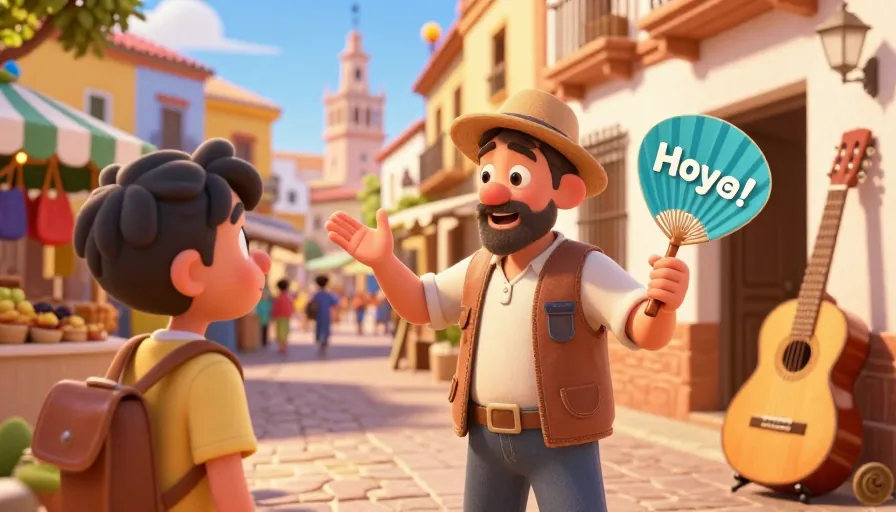
Learning witty Spanish phrases can significantly enhance your conversational fluency, but it's not just about memorizing translations. Understanding the context and cultural nuances behind these phrases is crucial. This guide will help you navigate the world of witty Spanish phrases, providing practical examples and a curated list to improve your language skills.
Understanding the Humor: Literal vs. Idiomatic Meaning
One of the first steps in mastering witty Spanish phrases is understanding the difference between literal translation and idiomatic meaning. Many Spanish phrases have meanings that are vastly different from their literal translations. For example, the phrase "estar en la luna" literally translates to "to be on the moon," but idiomatically, it means "to be daydreaming" or "to be distracted."
Mini Drill: Literal vs. Idiomatic
Try translating the following phrases literally and then find out their idiomatic meanings:
- "Tener un mono"
- "Estar en la gloria"
- "Tener un pato en la cabeza"
Context is King: When to Use These Phrases in Conversation
Knowing when to use these phrases is as important as knowing what they mean. Context plays a crucial role in determining the appropriateness of a phrase. For instance, "¡Vaya tela!" is a casual way to express surprise or disbelief, similar to "Oh my goodness!" in English. You wouldn't use this in a formal business meeting, but it's perfect for a casual conversation with friends.
Checklist for Contextual Usage
- Formal vs. Informal: Determine the formality of the situation.
- Cultural Appropriateness: Ensure the phrase is culturally appropriate for the context.
- Audience: Consider who you are speaking to and adjust your language accordingly.
Cultural Deep Dive: What These Phrases Reveal About Spanish Culture
Witty Spanish phrases often reveal deeper cultural insights. For example, the phrase "estar en Babia" means to be daydreaming or distracted, and it originates from a region in Spain known for its wool production. The phrase refers to shepherds who would get lost in their thoughts while watching over their flocks.
Examples of Cultural Insights
- Food-Related Phrases: "Tener un hambre de lobo" (to be as hungry as a wolf) reflects the importance of food in Spanish culture.
- Body Parts: "Tener un corazón de oro" (to have a heart of gold) highlights the value placed on kindness and generosity.

Learn Languages with YouTube
Watch videos in your target language, auto-capture words into flashcards, and track your progress — all in one place.
See How It Works →Curated List of Witty Spanish Phrases by Theme
Food and Drink
- "Tener un hambre de lobo" - To be as hungry as a wolf.
- "Estar como una cabra" - To be drunk (literally, "to be like a goat").
Body Parts
- "Tener un corazón de oro" - To have a heart of gold.
- "Tener un ojo clínico" - To have a keen eye (literally, "to have a clinical eye").
Animals
- "Tener un mono" - To have a craving (literally, "to have a monkey").
- "Estar en Babia" - To be daydreaming (literally, "to be in Babia").
How These Phrases Improve Conversational Fluency
Using witty Spanish phrases can make your conversations more engaging and natural. They help you connect with native speakers on a deeper level, showing that you understand not just the language, but also the culture. For example, using "¡Vaya tela!" in a casual conversation can make you sound more fluent and in tune with the local culture.
Practical Examples
- In a Casual Setting: "¡Vaya tela! No puedo creer que haya ganado la lotería." (Oh my goodness! I can't believe he won the lottery.)
- In a Formal Setting: "Estoy muy agradecido por su ayuda. Tiene un corazón de oro." (I am very grateful for your help. You have a heart of gold.)
Common Mistakes to Avoid
- Overusing Phrases: Be mindful not to overuse these phrases, as it can make you sound unnatural.
- Misusing Context: Ensure you understand the context before using a phrase to avoid awkward situations.
Mini Drill: Correct Usage
Choose the correct phrase for the following scenarios:
- You are in a casual conversation with friends and want to express surprise.
- a) "Estar en la gloria"
- b) "¡Vaya tela!"
- You are in a formal meeting and want to express gratitude.
- a) "Tener un mono"
- b) "Tener un corazón de oro"
By understanding the context and cultural nuances behind witty Spanish phrases, you can enhance your conversational fluency and connect more deeply with native speakers. This guide provides a structured approach to learning these phrases, ensuring you use them effectively in real-world conversations.
FAQ
Why is it important to understand the cultural context behind witty Spanish phrases?
Understanding the cultural context helps you use these phrases appropriately and avoid misunderstandings. It also shows native speakers that you respect and appreciate their culture, enhancing your conversational fluency.
Can I use these phrases in formal settings?
Some witty Spanish phrases are too casual for formal settings. It's important to assess the formality of the situation and choose phrases that are culturally and contextually appropriate.
How can I remember these phrases and their meanings?
Practice using these phrases in real-world conversations and create flashcards with examples. Engaging with native speakers and immersing yourself in Spanish media can also help reinforce your memory.
Related phrases
Start with Metheus
Watch videos in your target language, auto-capture words into flashcards, and track your progress — all in one place.
Get Started →

