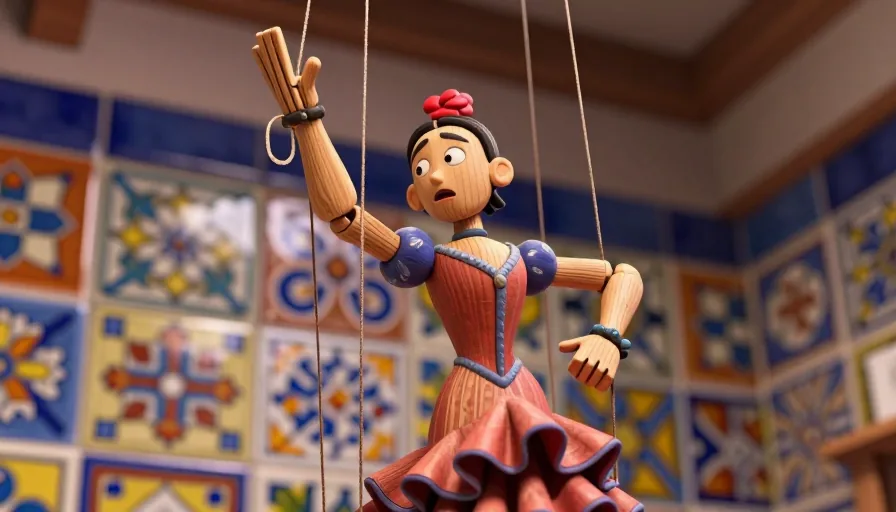
Mastering Funny Phrases in Spanish: A Guide to Humorous Expressions and Their Cultural Context
Funny phrases in Spanish are not only entertaining but also provide valuable insights into the language's cultural nuances. This guide will help you understand the humor behind these expressions, offer clear translations, and provide practical examples to use in real-world conversations. By the end, you'll have a robust list of funny phrases in Spanish and the confidence to use them appropriately.
The Humor Behind the Literal Translation
Understanding the literal translation of funny phrases in Spanish can be the first step in appreciating their humor. However, the true essence often lies in the idiomatic meaning. For example, the phrase "estar en la luna" literally translates to "to be on the moon," but idiomatically, it means "to be daydreaming" or "to be distracted." The humor comes from the visual image of someone floating in space rather than being present in the moment.
Mini Drill: Literal vs. Idiomatic
Try translating the following phrases literally and then guess their idiomatic meanings:
- "Tener un mono"
- "Estar en babia"
- "Tener un pato en el tejado"
Idiomatic Expressions: What Native Speakers Really Mean
Idiomatic expressions are where the real fun begins. These phrases often have no direct translation and require a deep understanding of the cultural context. For instance, "estar como una cabra" literally means "to be like a goat," but it idiomatically means "to be crazy" or "to be out of one's mind." The cultural context here involves the perception of goats as wild and unpredictable animals.
Checklist for Understanding Idiomatic Expressions
- Context: Understand the situation in which the phrase is used.
- Cultural Nuance: Research the cultural significance behind the phrase.
- Practice: Use the phrase in different contexts to grasp its full meaning.
Funny Phrases by Topic (e.g., Food, Actions, Body)
Categorizing funny phrases by topic can make them easier to remember and use. Here are some examples:
Food-Related Phrases
- "Estar como un queso": Literally, "to be like a cheese," but idiomatically, it means "to be very attractive."
- "Tener un hambre de lobo": Literally, "to have a wolf's hunger," but idiomatically, it means "to be very hungry."
Action-Related Phrases
- "Tirar la casa por la ventana": Literally, "to throw the house out the window," but idiomatically, it means "to go all out" or "to spare no expense."
- "Ponerse las pilas": Literally, "to put on the batteries," but idiomatically, it means "to get motivated" or "to get energized."
Body-Related Phrases
- "Tener un cuerpo de escándalo": Literally, "to have a scandalous body," but idiomatically, it means "to have a very attractive body."
- "Estar en la luna de miel": Literally, "to be on the honeymoon," but idiomatically, it means "to be in a state of bliss or happiness."

Learn Languages with YouTube
Watch videos in your target language, auto-capture words into flashcards, and track your progress — all in one place.
See How It Works →How to Use These Phrases in Conversation
Using funny phrases in Spanish in real-world conversations can be a great way to connect with native speakers and show your understanding of the language's cultural nuances. Here are some tips:
- Start Slow: Begin by using these phrases in low-stakes conversations, such as with friends or family.
- Observe Reactions: Pay attention to how native speakers react to your use of these phrases. This can help you understand if you're using them correctly.
- Practice Regularly: The more you use these phrases, the more natural they will become.
Practical Example
Imagine you're at a party and someone asks you how you're feeling. You could respond with "Estoy como una cabra" to convey that you're feeling wild and excited. This not only shows your understanding of the phrase but also adds a fun element to the conversation.
The Cultural Context Behind the Humor
Understanding the cultural context behind funny phrases in Spanish can deepen your appreciation for the language. For example, the phrase "estar en la luna" reflects a cultural fascination with the moon and its mystical qualities. Similarly, "tener un mono" reflects a cultural perception of monkeys as mischievous and unpredictable.
Mini Drill: Cultural Context
Think about the cultural significance of the following phrases and why they might be humorous:
- "Estar en la luna"
- "Tener un mono"
- "Estar como una cabra"
Conclusion
Funny phrases in Spanish are a treasure trove of cultural insights and linguistic nuances. By understanding their literal and idiomatic meanings, categorizing them by topic, and practicing their use in real-world conversations, you can enhance your language skills and connect more deeply with native speakers. So, go ahead and start incorporating these phrases into your Spanish repertoire—your conversations will never be the same!
FAQ
Why are some Spanish phrases funny in their literal translation?
Some Spanish phrases are funny in their literal translation because they involve vivid, often absurd, imagery that doesn't directly relate to their idiomatic meaning. For example, "estar en la luna" (to be on the moon) literally suggests someone is floating in space, which is humorous when used to describe daydreaming.
How can I remember these funny phrases in Spanish?
To remember funny phrases in Spanish, try categorizing them by topic (e.g., food, actions, body), practicing them in different contexts, and understanding their cultural significance. Creating flashcards or using mnemonic devices can also be helpful.
Are these phrases appropriate for all situations?
While funny phrases in Spanish can add humor to conversations, it's important to use them appropriately. Some phrases may be too informal or culturally specific for certain situations. Always consider the context and your audience before using these expressions.
What if I use a phrase incorrectly?
If you use a phrase incorrectly, don't worry! Native speakers will often appreciate your effort to use their language and may even correct you gently. Use these moments as learning opportunities to improve your understanding and usage of the phrase.
How can I practice these phrases effectively?
To practice these phrases effectively, start by using them in low-stakes conversations with friends or family. Observe how native speakers react and adjust your usage accordingly. Regular practice and exposure to different contexts will help you become more comfortable and proficient with these expressions.
FAQ
Why are some Spanish phrases funny in their literal translation?
Some Spanish phrases are funny in their literal translation because they involve vivid, often absurd, imagery that doesn't directly relate to their idiomatic meaning. For example, "estar en la luna" (to be on the moon) literally suggests someone is floating in space, which is humorous when used to describe daydreaming.
How can I remember these funny phrases in Spanish?
To remember funny phrases in Spanish, try categorizing them by topic (e.g., food, actions, body), practicing them in different contexts, and understanding their cultural significance. Creating flashcards or using mnemonic devices can also be helpful.
Are these phrases appropriate for all situations?
While funny phrases in Spanish can add humor to conversations, it's important to use them appropriately. Some phrases may be too informal or culturally specific for certain situations. Always consider the context and your audience before using these expressions.
What if I use a phrase incorrectly?
If you use a phrase incorrectly, don't worry! Native speakers will often appreciate your effort to use their language and may even correct you gently. Use these moments as learning opportunities to improve your understanding and usage of the phrase.
How can I practice these phrases effectively?
To practice these phrases effectively, start by using them in low-stakes conversations with friends or family. Observe how native speakers react and adjust your usage accordingly. Regular practice and exposure to different contexts will help you become more comfortable and proficient with these expressions.
Related phrases
Start with Metheus
Watch videos in your target language, auto-capture words into flashcards, and track your progress — all in one place.
Get Started →

