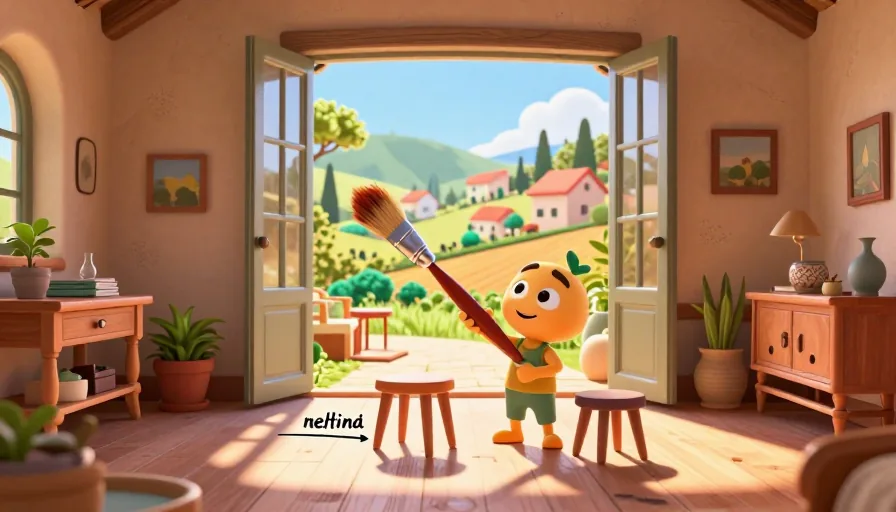
Understanding furniture in Italian language is crucial for anyone looking to navigate Italian homes, shops, or conversations with ease. This guide will equip you with essential vocabulary, common phrases, and cultural insights to discuss furniture like a native.
Essential Italian Furniture Vocabulary: The Basics
Beginner Vocabulary
Start with the basics. Here are some essential furniture items and their Italian translations:
| English | Italian | Pronunciation |
|---|---|---|
| Sofa | Divano | dee-VAH-no |
| Table | Tavolo | tah-VOH-lo |
| Bed | Letto | LET-toh |
| Chair | Sedia | SEH-dee-ah |
| Wardrobe | Armadio | ar-MAH-dee-oh |
| Desk | Scrivania | skree-VAH-nee-ah |
| Lamp | Lampada | lam-PAH-dah |
Mini Drill: Practice Pronunciation
Try pronouncing these words aloud. Record yourself and compare with native speakers to improve your pronunciation.
Intermediate Vocabulary
As you advance, expand your vocabulary with these terms:
| English | Italian | Pronunciation |
|---|---|---|
| Bookshelf | Libreria | lee-BREH-ree-ah |
| Coffee Table | Tavolino da caffè | tah-voh-LEE-no dah kah-FEH |
| Dining Table | Tavolo da pranzo | tah-VOH-lo dah PRAHN-tsoh |
| Nightstand | Comodino | koh-moh-DEE-no |
| Curtains | Tende | TEHN-deh |
| Rug | Tappeto | tah-PEH-toh |
Common Phrases and Idioms Related to Furniture
Idiomatic Expressions
Italian has several idiomatic expressions related to furniture. Here are a few:
| English | Italian | Meaning |
|---|---|---|
| To be part of the furniture | Essere parte dell'arredamento | To be so familiar that you blend into the background |
| To move heaven and earth | Smuovere cielo e terra | To do everything possible to achieve something |
| To put the cart before the horse | Mettere il carro davanti ai buoi | To do things in the wrong order |
Contextual Usage Examples
Here's how you might use these phrases in sentences:
- Essere parte dell'arredamento: Dopo anni di lavoro in quell'ufficio, ero diventato parte dell'arredamento. (After years of working in that office, I had become part of the furniture.)
- Smuovere cielo e terra: Ha smosso cielo e terra per trovare un nuovo lavoro. (He moved heaven and earth to find a new job.)
- Mettere il carro davanti ai buoi: Stai mettendo il carro davanti ai buoi, dovresti prima finire la scuola. (You're putting the cart before the horse, you should finish school first.)
Understanding Italian Furniture Terminology
Cultural Nuances
Italian furniture terminology can differ from English. For example, Italians use divano for both sofas and couches, while letto can refer to both a bed and a berth on a train or ship. Additionally, armadio can mean both a wardrobe and a cabinet.
Common Mistakes to Avoid
- Mistaking tavolo for tavolino: Both mean table, but tavolino is specifically a small table or side table.
- Confusing letto with culla: While letto means bed, culla is a cradle or crib.
- Using sedia for poltrona: Sedia is a chair, while poltrona is an armchair.
Checklist for Furniture Shopping in Italy
- Know the difference between divano and sofà (sofa and couch).
- Understand that letto can refer to both a bed and a berth.
- Recognize that armadio can mean both a wardrobe and a cabinet.
- Be aware of the size difference between tavolo and tavolino.
- Learn the specific terms for different types of furniture, such as libreria for bookshelf and comodino for nightstand.

Learn Languages with YouTube
Watch videos in your target language, auto-capture words into flashcards, and track your progress — all in one place.
See How It Works →Practical Conversations: Putting It All Together
At a Furniture Store
Cassiere: Buongiorno! Posso aiutarla? (Good morning! Can I help you?) You: Buongiorno, sto cercando un nuovo divano. (Good morning, I'm looking for a new sofa.) Cassiere: Certo! Abbiamo diversi modelli. Preferisce qualcosa di moderno o classico? (Of course! We have several models. Do you prefer something modern or classic?) You: Preferisco qualcosa di classico. (I prefer something classic.)
At a Friend's House
Friend: Vieni, ti faccio vedere la mia nuova casa. (Come, I'll show you my new house.) You: Wow, che bella! Mi piace molto il tuo nuovo divano. (Wow, it's beautiful! I really like your new sofa.) Friend: Grazie! L'ho comprato la scorsa settimana. (Thank you! I bought it last week.) You: E il tavolino da caffè? È molto elegante. (And the coffee table? It's very elegant.) Friend: Sì, l'ho scelto con cura. (Yes, I chose it carefully.)
Advanced Vocabulary: Furniture Styles and Materials
Describing Furniture
Expand your vocabulary with terms for different furniture styles and materials:
| English | Italian | Pronunciation |
|---|---|---|
| Modern | Moderno | moh-DEHR-no |
| Classic | Classico | KLAH-see-koh |
| Rustic | Rustico | ROO-stee-koh |
| Wood | Legno | LEH-nyoh |
| Metal | Metallo | meh-TAH-loh |
| Leather | Pelle | PEH-leh |
| Fabric | Tessuto | teh-SOO-toh |
Mini Drill: Describe Your Dream Furniture
Imagine your dream furniture piece. Describe it using the new vocabulary you've learned. For example:
Il mio sogno è avere un divano moderno in pelle nera con gambe in metallo. (My dream is to have a modern black leather sofa with metal legs.)
Cultural Insights: Italian Furniture Design
Historical Context
Italian furniture design has a rich history, with influences from the Roman Empire, the Renaissance, and the Baroque period. Today, Italian furniture is renowned for its craftsmanship and innovation.
Famous Italian Furniture Designers
- Gae Aulenti: Known for her modern and minimalist designs.
- Ettore Sottsass: Founder of the Memphis Milano group, known for colorful and unconventional designs.
- Gio Ponti: Influential in the mid-20th century, known for his elegant and functional designs.
Italian Furniture Brands
- Cassina: Known for high-quality, modern designs.
- Flaminio: Specializes in classic and traditional furniture.
- Poltrona Frau: Famous for its luxurious leather furniture.
Conclusion
Learning furniture in Italian language opens up a world of possibilities, from shopping for furniture to appreciating Italian design. With this guide, you're well-equipped to navigate Italian furniture conversations with confidence.
Next Steps
- Practice: Use the vocabulary and phrases in real-life conversations.
- Explore: Visit Italian furniture stores or websites to see the terms in action.
- Learn More: Expand your knowledge with advanced vocabulary and cultural insights.
FAQ
Why is it important to learn furniture vocabulary in Italian?
Learning furniture vocabulary in Italian is essential for navigating Italian homes, shops, and conversations. It helps you understand and appreciate Italian design, communicate effectively, and make informed purchasing decisions.
What are some common mistakes to avoid when discussing furniture in Italian?
Common mistakes include mistaking *tavolo* for *tavolino*, confusing *letto* with *culla*, and using *sedia* for *poltrona*. Understanding these nuances will help you communicate more accurately.
How can I practice furniture vocabulary in Italian?
Practice pronunciation, use the vocabulary in real-life conversations, and visit Italian furniture stores or websites to see the terms in action. Additionally, describe your dream furniture piece using the new vocabulary you've learned.
Related phrases
Start with Metheus
Watch videos in your target language, auto-capture words into flashcards, and track your progress — all in one place.
Get Started →

