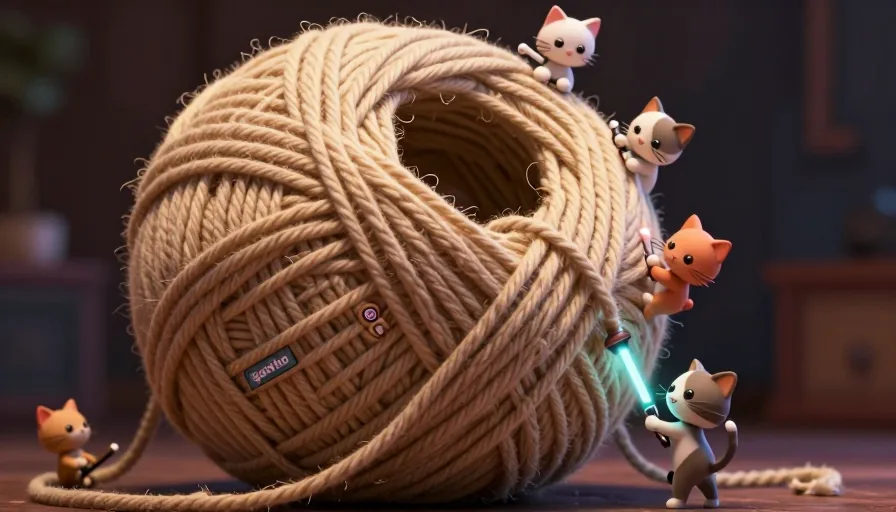
Understanding the translation of 'gatito' in English is essential for Spanish language learners. 'Gatito' is a diminutive form of 'gato,' which means 'cat' in English. However, 'gatito' specifically refers to a 'kitten,' a young cat. This guide will help you grasp the nuances of 'gatito' in English, its contextual usage, and related vocabulary.
What is 'Gatito' in English? (The Direct Translation)
The direct translation of 'gatito' in English is 'kitten.' This term is used to describe a young cat, typically one that is still nursing or has recently been weaned. For example:
- Spanish: El gatito está jugando con un hilo.
- English: The kitten is playing with a string.
Understanding the Nuances: Contextual Uses of 'Gatito'
'Gatito' can be used in various contexts, and understanding these nuances is crucial for accurate translation. Here are some examples:
As a Term of Endearment
In Spanish, 'gatito' can also be used as a term of endearment, similar to how 'kitty' is used in English. For example:
- Spanish: ¡Hola, gatito! ¿Cómo estás?
- English: Hi, kitty! How are you?
In Literary or Poetic Contexts
In literary or poetic contexts, 'gatito' might be used to evoke a sense of innocence or vulnerability. For example:
- Spanish: El gatito se escondió debajo de la cama, asustado por el ruido.
- English: The kitten hid under the bed, frightened by the noise.
Pronunciation Guide
For English speakers, pronouncing 'gatito' correctly can enhance your language learning experience. Here’s a breakdown:
- ga as in 'ga' in 'garden'
- ti as in 'tee' in 'tea'
- to as in 'toe'
So, 'gatito' is pronounced as /gaˈti.to/.
Interactive Examples
Let's practice with some interactive examples to solidify your understanding:
-
Fill in the Blank:
- Spanish: El _______ está durmiendo en su cuna.
- English: The _______ is sleeping in its crib.
- Answer: gatito
-
Translate the Sentence:
- Spanish: ¿Dónde está el gatito?
- English: Where is the kitten?

Learn Languages with YouTube
Watch videos in your target language, auto-capture words into flashcards, and track your progress — all in one place.
See How It Works →Beyond the Basics: Related Vocabulary for Pets and Animals
Expanding your vocabulary beyond 'gatito' will help you communicate more effectively in Spanish. Here are some related terms:
Common Pet Terms
- Perro - Dog
- Perrita - Female dog
- Cachorro - Puppy
- Pájaro - Bird
- Pajarito - Little bird
- Conejo - Rabbit
- Conejito - Little rabbit
- Gato - Cat
- Gata - Female cat
- Perrito - Little dog
Comparison Chart: 'Gatito' vs. 'Kitten' vs. Other Related Terms
| Spanish Term | English Translation | Contextual Use | Example Sentence (Spanish) | Example Sentence (English) |
|---|---|---|---|---|
| Gatito | Kitten | Young cat | El gatito está jugando con un hilo. | The kitten is playing with a string. |
| Gato | Cat | Adult cat | El gato está durmiendo en el sofá. | The cat is sleeping on the sofa. |
| Gatita | Female kitten | Young female cat | La gatita es muy juguetona. | The female kitten is very playful. |
| Gata | Female cat | Adult female cat | La gata está cazando un ratón. | The female cat is hunting a mouse. |
Gatito vs. Gatita: Understanding the Difference
While 'gatito' refers to a young cat, 'gatita' specifically refers to a young female cat. This distinction is important in Spanish, as gender is a crucial aspect of the language. For example:
-
Spanish: El gatito es muy travieso.
-
English: The kitten is very mischievous.
-
Spanish: La gatita es muy dulce.
-
English: The female kitten is very sweet.
Checklist for Mastering 'Gatito' in English
- Understand the Direct Translation: Know that 'gatito' translates to 'kitten' in English.
- Practice Pronunciation: Master the pronunciation /gaˈti.to/.
- Contextual Usage: Learn how to use 'gatito' in different contexts, such as terms of endearment and literary contexts.
- Expand Vocabulary: Familiarize yourself with related terms like 'gato,' 'gatita,' and other pet terms.
- Interactive Practice: Engage in fill-in-the-blank and translation exercises to reinforce your learning.
Cultural Context: Understanding the Implications of Using This Term
In Spanish-speaking cultures, 'gatito' is often used affectionately, similar to how 'kitty' is used in English. However, it's important to note that the term can also carry cultural connotations. For example, in some Latin American countries, 'gatito' might be used to describe someone who is naive or inexperienced. Understanding these nuances can help you communicate more effectively and avoid cultural faux pas.
Mini Drill: Cultural Context
-
True or False: 'Gatito' is always used to describe a young cat.
- Answer: False. It can also be used as a term of endearment or to describe someone who is naive.
-
Fill in the Blank: In some Latin American countries, 'gatito' might be used to describe someone who is _______.
- Answer: naive or inexperienced.
By following this comprehensive guide, you'll be well on your way to mastering the translation and usage of 'gatito' in English. Happy learning!
FAQ
Is 'gatito' always translated as 'kitten'?
While 'gatito' primarily translates to 'kitten,' it can also be used as a term of endearment or to describe someone who is naive or inexperienced in some cultural contexts.
How do I pronounce 'gatito' correctly?
Pronounce 'gatito' as /gaˈti.to/. Break it down as 'ga' in 'garden,' 'ti' in 'tee,' and 'to' in 'toe'.
What is the difference between 'gatito' and 'gatita'?
'Gatito' refers to a young cat, while 'gatita' specifically refers to a young female cat. Understanding this gender distinction is important in Spanish.
Related phrases
Start with Metheus
Watch videos in your target language, auto-capture words into flashcards, and track your progress — all in one place.
Get Started →

