Happy Birthday Spanish Translation: Mastering the Art of Birthday Greetings in Spanish
Learning the happy birthday spanish translation is a great way to connect with Spanish-speaking friends and family. Whether you're planning a birthday celebration or just want to send a warm greeting, knowing how to say 'Happy Birthday' in Spanish can make a big difference. This guide will cover the essential translation, pronunciation, cultural context, and more.
The Essential Translation: Feliz Cumpleaños
The direct translation for 'Happy Birthday' in Spanish is Feliz cumpleaños. This phrase is universally understood and used across Spanish-speaking countries. Here’s how you can use it in different contexts:
- Formal Setting: Feliz cumpleaños, Sr. Martínez. Espero que tenga un día maravilloso. (Happy Birthday, Mr. Martínez. I hope you have a wonderful day.)
- Informal Setting: ¡Feliz cumpleaños, Juan! ¡Que la pases genial! (Happy Birthday, Juan! Have a great time!)
Mini Drill: Practice Your Greeting
Try saying 'Feliz cumpleaños' in different scenarios. Imagine you are greeting a friend, a colleague, or a family member. How would you personalize the greeting?
Pronunciation Guide: Saying 'Feliz Cumpleaños' Like a Native Speaker
Pronunciation is key to sounding natural. Here’s a breakdown of how to pronounce Feliz cumpleaños:
- Feliz: /feˈliθ/
- cumpleaños: /kumpleˈaɲos/
Phonetic Breakdown
- Fe: Pronounced like the English word 'fey'
- Liz: Pronounced like the English word 'lees'
- Cum: Pronounced like the English word 'come'
- Ple: Pronounced like the English word 'play'
- Años: Pronounced like 'ah-nyos'
Interactive Practice
Use online tools like Forvo to listen to native speakers pronounce 'Feliz cumpleaños'. Try recording yourself and compare your pronunciation with the native speakers.
Beyond the Basics: Common Birthday Phrases in Spanish
Beyond 'Feliz cumpleaños', there are several other phrases you can use to wish someone a happy birthday:
- ¡Que cumplas muchos más! (May you have many more!)
- ¡Que tengas un día increíble! (Have an incredible day!)
- ¡Que todos tus deseos se hagan realidad! (May all your wishes come true!)
- ¡Que la pases genial! (Have a great time!)
Example Conversations
- Friend: ¡Feliz cumpleaños, María! ¡Que cumplas muchos más! (Happy Birthday, María! May you have many more!)
- Colleague: Feliz cumpleaños, Carlos. ¡Que tengas un día increíble! (Happy Birthday, Carlos. Have an incredible day!)

Learn Languages with YouTube
Watch videos in your target language, auto-capture words into flashcards, and track your progress — all in one place.
See How It Works →Cultural Context: How to Celebrate Birthdays in Spanish-Speaking Cultures
Birthday celebrations in Spanish-speaking countries often involve family, friends, and lots of food. Here are some cultural tips:
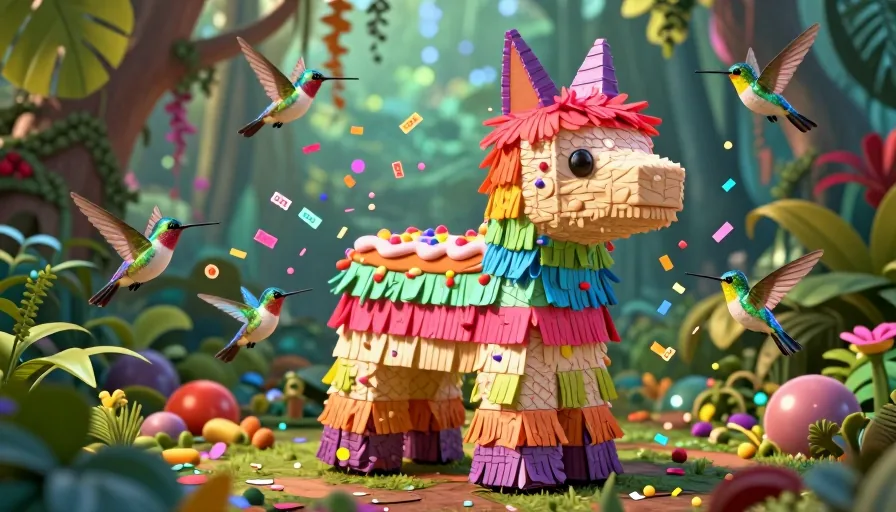
- Piñatas: Common in many Latin American countries, piñatas are a fun way to celebrate birthdays, especially for children.
- Cake and Candles: Similar to many cultures, blowing out candles on a cake is a traditional part of the celebration.
- Serenatas: In some countries, like Mexico, it's common to have a serenata, where a group of musicians sings to the birthday person.
Checklist for a Spanish Birthday Celebration
- Invitations: Send invitations in Spanish to set the tone.
- Food and Drinks: Prepare traditional Spanish dishes or treats.
- Music: Play Spanish music to create a festive atmosphere.
- Gifts: Choose gifts that reflect the birthday person's interests and the cultural context.
Comparative Section: Regional Variations of the Greeting
While 'Feliz cumpleaños' is universally understood, there are regional variations and additional phrases:
- Mexico: ¡Feliz cumpleaños, amigo! ¡Que la pases chido! (Happy Birthday, friend! Have a great time!)
- Spain: ¡Feliz cumpleaños, amigo! ¡Que lo pases genial! (Happy Birthday, friend! Have a great time!)
- Argentina: ¡Feliz cumpleaños, amigo! ¡Que cumplas muchos más! (Happy Birthday, friend! May you have many more!)
Mini Drill: Regional Variations
Try saying the regional variations out loud. Notice how the pronunciation and tone might change based on the region.
Related Birthday Phrases: Wishing Well
In addition to birthday greetings, here are some related phrases you can use:
- ¡Felicidades! (Congratulations!)
- ¡Que tengas un día maravilloso! (Have a wonderful day!)
- ¡Espero que disfrutes tu día especial! (I hope you enjoy your special day!)
Example Sentences
- Friend: ¡Felicidades, Ana! ¡Espero que disfrutes tu día especial! (Congratulations, Ana! I hope you enjoy your special day!)
- Colleague: ¡Feliz cumpleaños, Luis! ¡Que tengas un día maravilloso! (Happy Birthday, Luis! Have a wonderful day!)
Conclusion
Mastering the happy birthday spanish translation is just the beginning. By understanding the cultural context, pronunciation, and regional variations, you can make your birthday greetings more meaningful and authentic. Practice regularly and immerse yourself in the language to become a true Spanish birthday expert.
FAQ
What is the direct translation of 'Happy Birthday' in Spanish?
The direct translation of 'Happy Birthday' in Spanish is 'Feliz cumpleaños'. This phrase is widely used and understood across Spanish-speaking countries.
How do I pronounce 'Feliz cumpleaños' correctly?
To pronounce 'Feliz cumpleaños' correctly, break it down as follows: 'Fe' like 'fey', 'Liz' like 'lees', 'Cum' like 'come', 'Ple' like 'play', and 'Años' like 'ah-nyos'. Use online tools like Forvo to listen to native speakers and practice.
Are there regional variations of the 'Happy Birthday' greeting in Spanish?
Yes, while 'Feliz cumpleaños' is universally understood, there are regional variations. For example, in Mexico, you might say '¡Feliz cumpleaños, amigo! ¡Que la pases chido!', while in Spain, you might say '¡Feliz cumpleaños, amigo! ¡Que lo pases genial!'.
What are some common birthday phrases in Spanish besides 'Feliz cumpleaños'?
Some common birthday phrases in Spanish include '¡Que cumplas muchos más!', '¡Que tengas un día increíble!', '¡Que todos tus deseos se hagan realidad!', and '¡Que la pases genial!'. These phrases can add warmth and personalization to your greetings.
How do Spanish-speaking cultures celebrate birthdays?
Birthday celebrations in Spanish-speaking cultures often involve family, friends, and lots of food. Common traditions include piñatas, cake and candles, and serenatas. Preparing traditional Spanish dishes, playing Spanish music, and choosing culturally appropriate gifts can enhance the celebration.
Related phrases
Start with Metheus
Watch videos in your target language, auto-capture words into flashcards, and track your progress — all in one place.
Get Started →

