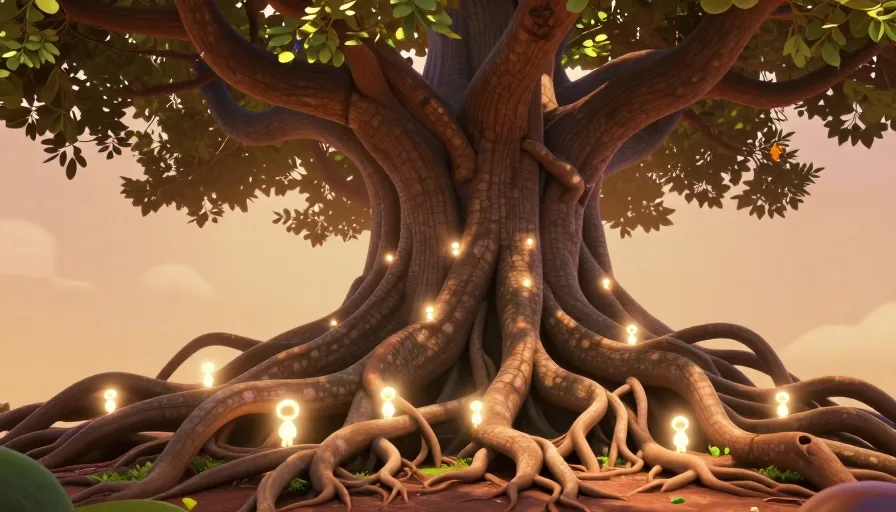
The Hawaiian language is rich with words that reflect the deep cultural values and family structures of the Hawaiian people. Understanding Hawaiian words for family provides a window into the heart of Hawaiian culture. This guide will delve into the core concept of 'Ohana', essential vocabulary for immediate family members, and the distinction between 'Ohana and 'Hanai' (adopted family).
Understanding the Core Concept: What is 'Ohana?
The term 'Ohana is central to Hawaiian culture and translates to 'family' in English. However, its meaning goes far beyond a simple blood relation. 'Ohana encompasses a broader sense of family that includes extended relatives, close friends, and even community members who are considered part of one's family. This concept reflects the Hawaiian value of 'aloha 'aina, or love for the land and people, emphasizing the importance of community and mutual support.
Cultural Significance of 'Ohana
'Ohana is more than just a word; it is a way of life. It signifies the interconnectedness of all living things and the importance of family and community. In Hawaiian culture, 'Ohana is often used to describe a group of people who share a common bond, whether through blood, marriage, or adoption. This bond is strengthened through shared experiences, mutual respect, and a deep sense of responsibility towards one another.
Pronunciation Guide for 'Ohana
To pronounce 'Ohana correctly, follow these steps:
- 'O - Pronounced like the English word 'oh'
- ha - Pronounced like the 'ha' in 'hat'
- na - Pronounced like the 'na' in 'nana'
So, 'Ohana is pronounced as 'oh-HAH-nah'.
Essential Hawaiian Words for Immediate Family Members
Understanding the vocabulary for immediate family members is crucial for anyone learning Hawaiian. Here are some key terms:
Parents
- Makuakāne - Father
- Makua Wāhine - Mother
Siblings
- Kaikua'ana - Older brother
- Kaikunāne - Older sister
- Kaikaina - Younger sibling (brother or sister)
Children
- Keiki - Child (can also refer to a baby or young child)
- Keiki 'Ākea - Older child
- Keiki Kāne - Son
- Keiki Wāhine - Daughter
Example Dialogue
Let's practice with a short dialogue:
Aloha, e kaikua'ana! (Hello, older brother!) Aloha, e keiki! (Hello, child!) Keiki 'Ākea (Older child) Keiki Kāne (Son)

Learn Languages with YouTube
Watch videos in your target language, auto-capture words into flashcards, and track your progress — all in one place.
See How It Works →Beyond Blood: Understanding 'Hanai' (Adopted Family)
In Hawaiian culture, the concept of 'Hanai' is deeply rooted in the tradition of adoption and fostering. 'Hanai' refers to the practice of adopting or fostering a child, but it also extends to the broader concept of taking in and caring for someone as part of one's family. This practice is not just about providing a home but also about sharing love, responsibility, and a sense of belonging.
Distinction Between 'Ohana and 'Hanai'
While 'Ohana refers to a broader sense of family that includes extended relatives and community members, 'Hanai' specifically refers to the practice of adopting or fostering a child. 'Hanai' is a formal process that involves legal and cultural rituals, ensuring that the child is fully integrated into the new family.
Example of 'Hanai' in Daily Life
Imagine a scenario where a family takes in a child who has lost their parents. The family would perform a 'Hanai' ceremony to formally adopt the child into their 'Ohana. This ceremony involves prayers, chants, and the exchange of gifts, symbolizing the deep bond and responsibility the family takes on.
Putting It Together: Common Hawaiian Family Phrases
To fully grasp the usage of Hawaiian words for family, it's essential to understand how these terms are used in daily conversation. Here are some common phrases:
Greetings and Introductions
- Aloha 'Ohana - Hello family
- E komo mai e ka 'Ohana - Welcome, family
- Keiki 'Ākea - Older child
- Keiki Kāne - Son
- Keiki Wāhine - Daughter
Family Bonding Phrases
- Keiki 'Ākea - Older child
- Keiki Kāne - Son
- Keiki Wāhine - Daughter
Example Dialogue
Aloha 'Ohana! (Hello family!) E komo mai e ka 'Ohana! (Welcome, family!) Keiki 'Ākea (Older child) Keiki Kāne (Son) Keiki Wāhine (Daughter)
Practical Checklist for Learning Hawaiian Family Vocabulary
- Learn the Basic Terms: Start with the essential vocabulary for immediate family members.
- Practice Pronunciation: Use the pronunciation guide to ensure you are saying the words correctly.
- Engage in Dialogues: Practice short dialogues to understand how these words are used in context.
- Understand Cultural Nuances: Learn about the cultural significance of 'Ohana and 'Hanai' to deepen your understanding.
- Immerse Yourself: Listen to Hawaiian music, watch Hawaiian films, and engage with native speakers to enhance your learning.
Mini Drill: Family Vocabulary Practice
-
Translate the following English phrases into Hawaiian:
- Hello, older brother!
- Welcome, family!
- Older child
- Son
- Daughter
-
Create a short dialogue using the Hawaiian words for family:
- Imagine a scenario where you are greeting your family members and introducing a new member to the 'Ohana.
-
Practice the pronunciation of the following terms:
- 'Ohana
- Makuakāne
- Makua Wāhine
- Kaikua'ana
- Kaikunāne
- Kaikaina
- Keiki
- Keiki 'Ākea
- Keiki Kāne
- Keiki Wāhine
By following this guide, you will gain a deeper understanding of Hawaiian words for family and their cultural significance. Whether you are a language enthusiast or someone looking to connect with your Hawaiian heritage, this comprehensive guide will help you navigate the rich and meaningful vocabulary of Hawaiian family terms.
FAQ
What is the difference between 'Ohana and 'Hanai?
'Ohana refers to a broader sense of family that includes extended relatives and community members, while 'Hanai' specifically refers to the practice of adopting or fostering a child into the family. 'Hanai' involves formal rituals and legal processes to ensure the child is fully integrated into the new family.
How do I pronounce 'Ohana correctly?
To pronounce 'Ohana correctly, follow these steps: **'O** - Pronounced like the English word 'oh', **ha** - Pronounced like the 'ha' in 'hat', and **na** - Pronounced like the 'na' in 'nana'. So, 'Ohana is pronounced as 'oh-HAH-nah'.
What are some common Hawaiian family phrases?
Some common Hawaiian family phrases include 'Aloha 'Ohana' (Hello family), 'E komo mai e ka 'Ohana' (Welcome, family), and 'Keiki 'Ākea' (Older child). These phrases are used in daily conversations to greet and bond with family members.
Related phrases
Start with Metheus
Watch videos in your target language, auto-capture words into flashcards, and track your progress — all in one place.
Get Started →

