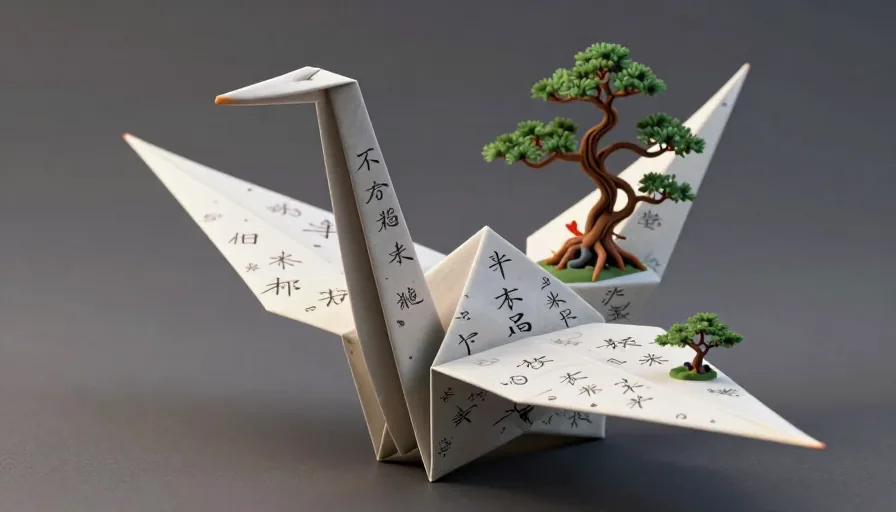
Engaging in Japan hobbies is an excellent way to immerse yourself in the language and culture. Whether you're interested in the art of Origami, the elegance of Ikebana, or the lively atmosphere of Karaoke, these activities offer a unique opportunity to learn Japanese vocabulary and cultural nuances. This guide will explore top Japan hobbies, provide vocabulary deep dives, and offer practical steps to start your hobby while learning the language.
Top 5 Must-Try Hobbies for Language Learners in Japan
1. Origami
Origami, the art of paper folding, is a classic Japanese hobby that can help you learn specific vocabulary related to shapes, directions, and actions. Start with simple folds like the crane (鶴, tsuru) and gradually move to more complex designs.
Vocabulary Checklist:
- 紙 (kami) - paper
- 折る (oru) - to fold
- 完成 (kansei) - completion
- 綺麗 (kirei) - beautiful
Mini Drill: Try describing the steps to fold a simple Origami shape in Japanese.
2. Ikebana
Ikebana, the art of Japanese flower arrangement, is not just about aesthetics but also about mindfulness and balance. Learning Ikebana can introduce you to a rich vocabulary related to nature, seasons, and aesthetics.
Vocabulary Checklist:
- 生け花 (ikebana) - flower arrangement
- 花 (hana) - flower
- 生ける (ikeru) - to arrange
- 季節 (kishitsu) - season
- 自然 (shizen) - nature
Mini Drill: Practice describing different types of flowers and their meanings in Japanese.
3. Karaoke
Karaoke is a beloved pastime in Japan, offering a fun way to practice pronunciation and build confidence in speaking. Singing along to Japanese songs can help you learn new words and phrases in a relaxed environment.
Vocabulary Checklist:
- カラオケ (karaoke) - karaoke
- 歌う (utau) - to sing
- 曲 (kyoku) - song
- マイク (maiku) - microphone
- 友達 (tomodachi) - friends
Mini Drill: Write down the lyrics of a simple Japanese song and practice singing along.
4. Calligraphy (Shodo)
Shodo, or Japanese calligraphy, is an art form that combines aesthetics with discipline. Practicing Shodo can help you learn kanji characters and improve your handwriting skills.
Vocabulary Checklist:
- 書道 (shodo) - calligraphy
- 筆 (fude) - brush
- 紙 (kami) - paper
- 字 (ji) - character
- 書く (kaku) - to write
Mini Drill: Try writing a few kanji characters using a calligraphy brush and practice the strokes.
5. Tea Ceremony (Chanoyu)
The Japanese tea ceremony, or Chanoyu, is a ritualized way of preparing and serving green tea. Participating in a tea ceremony can introduce you to traditional Japanese etiquette and vocabulary related to hospitality and mindfulness.
Vocabulary Checklist:
- 茶道 (chanoyu) - tea ceremony
- お茶 (ocha) - tea
- 点前 (temae) - tea preparation
- 礼儀 (reigi) - etiquette
- 静寂 (seijaku) - tranquility
Mini Drill: Practice the steps of preparing a bowl of tea in Japanese.

Learn Languages with YouTube
Watch videos in your target language, auto-capture words into flashcards, and track your progress — all in one place.
See How It Works →Vocabulary Deep Dive: Essential Terms for Japanese Hobbies
Origami Vocabulary
- 折り紙 (origami) - origami
- 紙 (kami) - paper
- 折る (oru) - to fold
- 完成 (kansei) - completion
- 綺麗 (kirei) - beautiful
- 綺麗に折る (kirei ni oru) - to fold neatly
- 綺麗に折る (kirei ni oru) - to fold neatly
Ikebana Vocabulary
- 生け花 (ikebana) - flower arrangement
- 花 (hana) - flower
- 生ける (ikeru) - to arrange
- 季節 (kishitsu) - season
- 自然 (shizen) - nature
- 自然に (shizen ni) - naturally
- 季節の花 (kishitsu no hana) - seasonal flowers
Karaoke Vocabulary
- カラオケ (karaoke) - karaoke
- 歌う (utau) - to sing
- 曲 (kyoku) - song
- マイク (maiku) - microphone
- 友達 (tomodachi) - friends
- 友達と歌う (tomodachi to utau) - to sing with friends
- 友達と歌う (tomodachi to utau) - to sing with friends
How to Practice Japanese Through Cultural Hobbies
Step-by-Step Guide to Starting a Hobby
- Choose a Hobby: Select a hobby that interests you and aligns with your language learning goals.
- Gather Materials: Collect the necessary materials and resources for your chosen hobby.
- Learn Basic Vocabulary: Familiarize yourself with the essential vocabulary related to your hobby.
- Practice Regularly: Dedicate time each week to practice your hobby and reinforce your language skills.
- Join a Community: Connect with others who share your hobby to practice Japanese in a social setting.
Common Mistakes to Avoid
- Overcomplicating: Start with simple projects and gradually take on more complex tasks.
- Neglecting Vocabulary: Make sure to learn and practice relevant vocabulary regularly.
- Isolating Yourself: Engage with others who share your hobby to enhance your learning experience.
Cultural Context Behind the Hobbies
Understanding the cultural context behind Japanese hobbies can deepen your appreciation and enhance your language learning experience. For example, Origami is often associated with mindfulness and patience, while Ikebana reflects the Japanese appreciation for nature and balance. Karaoke, on the other hand, is a social activity that brings people together in a relaxed setting.
How Hobbies Can Be Used as a Vehicle for Language Practice
Engaging in Japan hobbies provides a practical and enjoyable way to acquire new vocabulary and cultural context. By immersing yourself in these activities, you can learn words and phrases in a natural and meaningful way. For example, practicing Origami can help you learn terms related to shapes and directions, while Ikebana can introduce you to vocabulary related to nature and seasons.
Practical Examples
- Origami: Learn the names of different folds and shapes while practicing Origami.
- Ikebana: Practice describing the types of flowers and their meanings in Japanese.
- Karaoke: Sing along to Japanese songs and learn new words and phrases.
- Shodo: Improve your kanji writing skills and learn the strokes for different characters.
- Chanoyu: Participate in a tea ceremony and learn the etiquette and vocabulary related to hospitality.
Checklist for Effective Language Learning Through Hobbies
- Choose a hobby that interests you.
- Gather necessary materials and resources.
- Learn basic vocabulary related to your hobby.
- Practice regularly and reinforce your language skills.
- Join a community of hobbyists to practice Japanese in a social setting.
- Reflect on the cultural context behind your hobby.
- Incorporate new vocabulary into your daily conversations.
By following these steps and engaging in Japan hobbies, you can enhance your language skills and gain a deeper understanding of Japanese culture. Whether you're folding Origami, arranging flowers, or singing Karaoke, these activities offer a fun and effective way to learn Japanese.
FAQ
How can I find a community to practice Japanese hobbies with others?
Look for local clubs, online forums, or language exchange groups that focus on Japanese hobbies. Websites like Meetup, Reddit, and language learning platforms often have groups dedicated to specific hobbies where you can connect with like-minded individuals.
What if I don't have the materials or resources to start a hobby?
Start with simple materials that are easily accessible. For example, you can begin Origami with a few sheets of paper and a basic guide. For Ikebana, you can use flowers from your garden or a local store. Many resources are available online, including tutorials and community forums.
How can I ensure I'm learning the correct vocabulary for my hobby?
Use reliable language learning resources and guides that focus on the specific vocabulary related to your hobby. Practice regularly and seek feedback from native speakers or language exchange partners to ensure accuracy.
Related phrases
Start with Metheus
Watch videos in your target language, auto-capture words into flashcards, and track your progress — all in one place.
Get Started →

