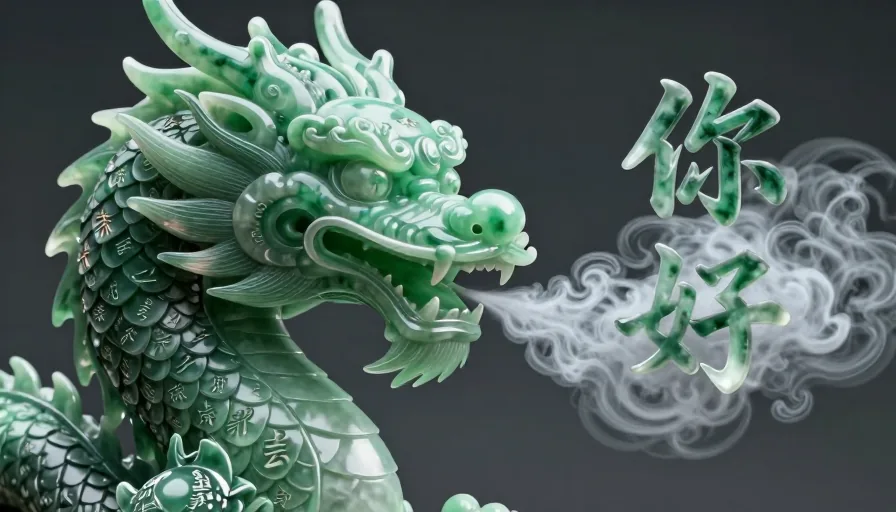
Learning 'hello in Chinese Cantonese' is essential for anyone planning to visit Hong Kong, Macau, or Guangdong. This guide will equip you with the knowledge to greet people appropriately in various contexts, from casual encounters to formal situations.
Understanding Different Types of Cantonese Greetings
Cantonese greetings can be categorized into three main types: non time-sensitive, time-sensitive, and phone call greetings. Understanding these distinctions will help you navigate social interactions with confidence.
Non Time-Sensitive Greetings
These are your go-to greetings for everyday interactions. The most common phrase is:
- Nei5 hou2 aa3 (你好啊)
- Pronunciation: /nei5 hou2 aa3/
- English Translation: Hello
- Usage: Casual, everyday greeting.
Time-Sensitive Greetings
These greetings are used at specific times of the day. Here are a few examples:
-
Jo2 gung1 (早安) - Good morning
- Pronunciation: /jo2 gung1/
- English Translation: Good morning
- Usage: Morning greeting, typically before 12 PM.
-
Jo2 fan1 (午安) - Good afternoon
- Pronunciation: /jo2 fan1/
- English Translation: Good afternoon
- Usage: Afternoon greeting, typically between 12 PM and 6 PM.
-
Man1 jai6 (晚安) - Good evening
- Pronunciation: /man1 jai6/
- English Translation: Good evening
- Usage: Evening greeting, typically after 6 PM.
Phone Call Greetings
When answering the phone, you'll want to use a specific greeting to indicate that you're on the phone. The most common phrase is:
- Di1 wo3 (低我) - Hello (on the phone)
- Pronunciation: /di1 wo3/
- English Translation: Hello (on the phone)
- Usage: Answering the phone.
Essential 'Hello' Phrases for Daily Conversation
In daily conversations, you'll often use a combination of the greetings mentioned above. Here are some practical examples:
-
Nei5 hou2 aa3, nei5 m4 m4? (你好啊,你唔唔?) - Hello, how are you?
- Pronunciation: /nei5 hou2 aa3, nei5 m4 m4?/
- English Translation: Hello, how are you?
- Usage: Casual greeting with a question about the other person's well-being.
-
Jo2 gung1, nei5 m4 m4? (早安,你唔唔?) - Good morning, how are you?
- Pronunciation: /jo2 gung1, nei5 m4 m4?/
- English Translation: Good morning, how are you?
- Usage: Morning greeting with a question about the other person's well-being.
Mini Drill: Practice Your Greetings
Try the following mini drill to practice your greetings:
- Imagine you're meeting a friend in the morning. What would you say?
- Imagine you're answering the phone in the evening. What would you say?
- Imagine you're greeting a colleague in the afternoon. What would you say?

Learn Languages with YouTube
Watch videos in your target language, auto-capture words into flashcards, and track your progress — all in one place.
See How It Works →Greetings for Specific Situations (e.g., Phone Calls)
Answering the Phone
When answering the phone in Cantonese, it's important to use the correct greeting to indicate that you're on the phone. The most common phrase is:
- Di1 wo3 (低我) - Hello (on the phone)
- Pronunciation: /di1 wo3/
- English Translation: Hello (on the phone)
- Usage: Answering the phone.
Making a Phone Call
When making a phone call, you can use the following phrase to start the conversation:
- Nei5 hou2 aa3, wo3 si1 jo2 gung1 (你好啊,我係早安) - Hello, good morning
- Pronunciation: /nei5 hou2 aa3, wo3 si1 jo2 gung1/
- English Translation: Hello, good morning
- Usage: Starting a phone conversation in the morning.
Checklist for Phone Call Greetings
- Use Di1 wo3 (低我) when answering the phone.
- Use Nei5 hou2 aa3 (你好啊) followed by the appropriate time-sensitive greeting when making a phone call.
- Speak clearly and slowly to ensure the other person understands you.
Common Mistakes to Avoid
-
Mistake 1: Using the wrong greeting for the time of day.
- Example: Saying Jo2 gung1 (早安) in the evening instead of Man1 jai6 (晚安).
- Correction: Pay attention to the time of day and use the appropriate greeting.
-
Mistake 2: Not using a greeting when answering the phone.
- Example: Simply saying 'yes' or 'hello' in English when answering the phone.
- Correction: Always use Di1 wo3 (低我) when answering the phone.
-
Mistake 3: Not speaking clearly.
- Example: Mumbling or speaking too quickly.
- Correction: Speak clearly and slowly to ensure the other person understands you.
Practical Examples and Scenarios
Travel Scenario
Imagine you're traveling in Hong Kong and you need to ask for directions. Here's how you can start the conversation:
- Greet the person with Nei5 hou2 aa3 (你好啊).
- Ask for directions using a phrase like Nei5 m4 m4, nei5 zi1 m4 zi1? (你唔唔,你知唔知?) - Do you know where...?
- Thank the person with Do1 je5 (多謝) - Thank you.
Daily Interaction Scenario
Imagine you're at a market and you want to greet the vendor. Here's how you can start the conversation:
- Greet the vendor with Nei5 hou2 aa3 (你好啊).
- Ask about the price of an item using a phrase like Nei5 m4 m4, nei5 zi1 m4 zi1? (你唔唔,你知唔知?) - Do you know the price of...?
- Thank the vendor with Do1 je5 (多謝) - Thank you.
Conclusion
Mastering 'hello in Chinese Cantonese' is an essential skill for anyone planning to visit Hong Kong, Macau, or Guangdong. By understanding the different types of greetings and their appropriate usage, you'll be able to navigate social interactions with confidence. Practice your greetings regularly and pay attention to the context to ensure you're using the correct phrase.
FAQ
What is the most common way to say 'hello' in Cantonese?
The most common way to say 'hello' in Cantonese is **Nei5 hou2 aa3** (你好啊), which is used for casual, everyday greetings. For time-sensitive greetings, you can use **Jo2 gung1** (早安) for good morning, **Jo2 fan1** (午安) for good afternoon, and **Man1 jai6** (晚安) for good evening.
How do I answer the phone in Cantonese?
When answering the phone in Cantonese, you should use **Di1 wo3** (低我), which translates to 'hello' on the phone. This greeting is specific to phone conversations and helps indicate that you're on the phone.
What are some common mistakes to avoid when greeting someone in Cantonese?
Some common mistakes to avoid include using the wrong greeting for the time of day, not using a greeting when answering the phone, and not speaking clearly. Always pay attention to the context and speak clearly to ensure the other person understands you.
Related phrases
Start with Metheus
Watch videos in your target language, auto-capture words into flashcards, and track your progress — all in one place.
Get Started →

