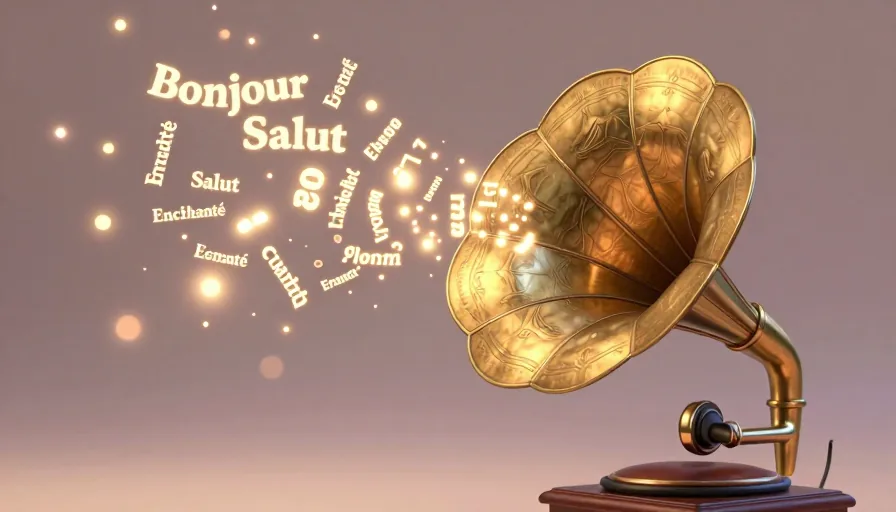
how to say hi french: guía práctica y clara para dominar este tema en contexto real.
How to Say Hi in French: A Comprehensive Guide to Essential Greetings
Learning how to say hi in French is your first step to mastering the language. This guide will equip you with essential greetings, help you understand formality levels, and provide practical examples to enhance your conversational skills.
The Essential French Greetings: Mastering Bonjour, Salut, and Bonsoir
Bonjour
Bonjour is the most common way to say hi in French. It's used throughout the day, from morning until late afternoon.
Pronunciation: /bɔ̃.ʒuʁ/
Example:
Bonjour, comment ça va? (Hi, how are you?)
Salut
Salut is a casual way to say hi. It's typically used among friends and family or in informal settings.
Pronunciation: /sa.ly/
Example:
Salut, ça va? (Hi, how's it going?)
Bonsoir
Bonsoir is used in the evening, similar to 'good evening' in English. It's a polite way to greet someone after sunset.
Pronunciation: /bɔ̃.swaʁ/
Example:
Bonsoir, comment allez-vous? (Good evening, how are you?)
Understanding Formality: When to Use 'Vous' vs. 'Tu'
French has two forms of 'you': vous (formal) and tu (informal). Understanding when to use each is crucial for polite communication.
Vous
Vous is used in formal situations, such as addressing elders, superiors, or strangers. It shows respect and politeness.
Example:
Bonjour, comment allez-vous? (Good morning, how are you? - formal)
Tu
Tu is used with friends, family, and children. It's the informal way to address someone.
Example:
Salut, ça va? (Hi, how's it going? - informal)

Learn Languages with YouTube
Watch videos in your target language, auto-capture words into flashcards, and track your progress — all in one place.
See How It Works →Beyond 'Hi': Essential Polite Phrases for Every Interaction
Politeness is key in French culture. Here are some essential phrases to help you navigate various situations.
Merci
Merci means 'thank you'. It's used to express gratitude.
Pronunciation: /mɛʁ.si/
Example:
Merci beaucoup pour votre aide. (Thank you very much for your help.)
S'il vous plaît
S'il vous plaît means 'please'. It's used to make requests politely.
Pronunciation: /sil vu plɛ/
Example:
S'il vous plaît, pouvez-vous m'aider? (Please, can you help me?)
Contextual Usage: When to Use Which Greeting
Choosing the right greeting depends on the time of day, the formality of the situation, and your relationship with the person.
Morning
Bonjour is the go-to greeting in the morning.
Example:
Bonjour, Madame Dupont. (Good morning, Mrs. Dupont.)
Afternoon
Bonjour can still be used in the afternoon, but ça va? (how's it going?) can also be added for a more casual approach.
Example:
Bonjour, ça va? (Hi, how's it going?)
Evening
Bonsoir is the appropriate greeting in the evening.
Example:
Bonsoir, Monsieur Martin. (Good evening, Mr. Martin.)
Casual Settings
Salut is perfect for casual settings with friends or peers.
Example:
Salut, comment ça va? (Hi, how are you?)
Pronunciation Tips for Beginners
Pronunciation is vital for clear communication. Here are some tips to help you master French greetings:
- Listen and Repeat: Use language learning apps or online resources to listen to native speakers and repeat after them.
- Practice Tongue Twisters: Tongue twisters can help improve your pronunciation and fluency.
- Record Yourself: Record your voice and compare it with native speakers to identify areas for improvement.
- Take a Pronunciation Course: Consider enrolling in a course focused on French pronunciation.
Quick Reference Chart for French Greetings
| Greeting | Pronunciation | Usage | Example |
|---|---|---|---|
| Bonjour | /bɔ̃.ʒuʁ/ | Morning/Afternoon (formal/informal) | Bonjour, comment ça va? |
| Salut | /sa.ly/ | Casual settings | Salut, ça va? |
| Bonsoir | /bɔ̃.swaʁ/ | Evening (formal/informal) | Bonsoir, comment allez-vous? |
Mini Drills for Practice
- Greeting Role-Play: Practice greeting a friend in the morning, afternoon, and evening using the appropriate phrases.
- Politeness Drill: Incorporate merci and s'il vous plaît into your conversations to practice politeness.
- Formal vs. Informal: Role-play scenarios where you switch between formal and informal greetings based on the context.
Checklist for Mastering French Greetings
- Learn the pronunciation of bonjour, salut, and bonsoir
- Understand when to use vous vs. tu
- Practice essential polite phrases like merci and s'il vous plaît
- Use the quick reference chart for immediate application
- Complete the mini drills to reinforce learning
By following this guide, you'll be well on your way to mastering how to say hi in French and navigating various social situations with confidence.
FAQ
Is 'Bonjour' used only in the morning?
No, 'Bonjour' can be used throughout the day until late afternoon. For evenings, 'Bonsoir' is more appropriate.
When should I use 'Tu' instead of 'Vous'?
Use 'Tu' with friends, family, and children in informal settings. Use 'Vous' in formal situations, such as addressing elders, superiors, or strangers.
What if I make a mistake with greetings?
Mistakes are a natural part of learning. If you make a mistake, simply correct yourself and continue the conversation. Most people will appreciate your effort to speak French.
Related phrases
Start with Metheus
Watch videos in your target language, auto-capture words into flashcards, and track your progress — all in one place.
Get Started →

