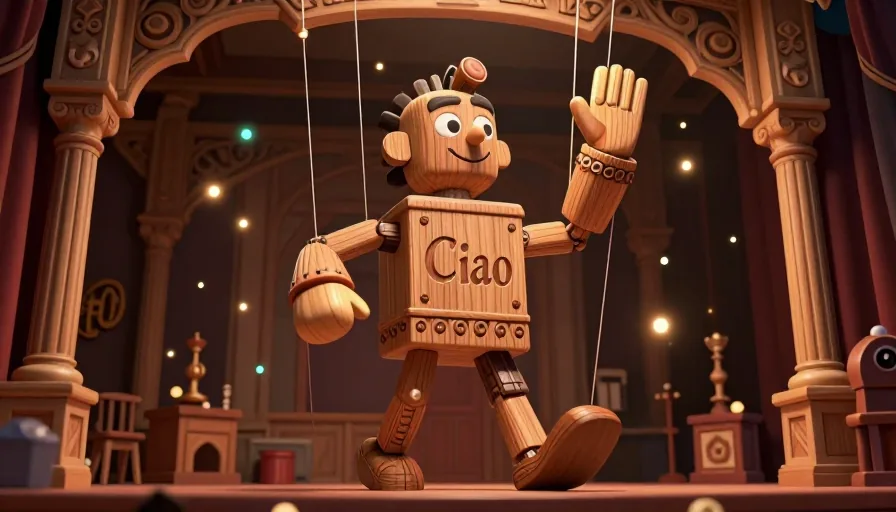
When learning a new language, one of the first things you want to master is how to say 'hi in Italian'. Greetings are the foundation of any conversation, and in Italian, they come with a rich set of rules and cultural nuances. This guide will walk you through the essential greetings, their pronunciations, and when to use them.
The Essential Italian Greetings: Ciao, Buongiorno, and Buonasera
The direct translation of 'hi' in Italian can vary depending on the context and time of day. The most common greetings are 'ciao', 'buongiorno', and 'buonasera'.
- Ciao (chow): This is the most informal way to say 'hi' in Italian. It's used among friends, family, and in casual settings.
- Buongiorno (bwohn-johr-noh): This means 'good morning' and is used until late afternoon.
- Buonasera (bwoh-nah-seh-rah): This means 'good evening' and is used from late afternoon until night.
Checklist for Basic Greetings
- Learn to pronounce 'ciao' correctly.
- Understand when to use 'buongiorno' vs. 'buonasera'.
- Practice using 'ciao' in casual settings.
Choosing the Right Greeting: Formal vs. Informal Situations
In Italian, greetings can be formal or informal, and choosing the right one depends on the context. Here's a quick guide:
- Informal: Use 'ciao' with friends, family, and people your own age.
- Formal: Use 'buongiorno' or 'buonasera' in professional settings, with elders, or when addressing someone you've just met.
Mini Drill: Formal vs. Informal
Imagine you are in the following situations. Which greeting would you use?
- You meet your Italian friend for coffee.
- You enter a shop in the morning.
- You greet your Italian boss in the evening.
Answers: 1. Ciao 2. Buongiorno 3. Buonasera
Pronunciation Deep Dive: Mastering the Sound of 'Ciao'
Pronunciation is key to sounding natural in any language. Here's a breakdown of how to pronounce 'ciao':
- Ch: Like the 'ch' in 'chat' or 'chocolate'.
- ow: Like the 'ow' in 'cow' or 'now'.
- Ciao: Put it together, and it sounds like 'chow'.
Common Mistakes in Pronunciation
- Avoid pronouncing 'ciao' like 'see-ow'.
- Practice the 'ch' sound, as it's different from the English 'sh' sound.

Learn Languages with YouTube
Watch videos in your target language, auto-capture words into flashcards, and track your progress — all in one place.
See How It Works →Cultural Nuances: Etiquette Around Greetings in Italian-Speaking Regions
Greetings in Italian-speaking regions come with certain etiquette rules. Here are some key points:
- Handshakes: Italians often greet each other with a handshake, especially in formal settings.
- Kissing: Close friends and family may greet each other with a kiss on both cheeks.
- Eye Contact: Maintain eye contact when greeting someone to show respect and sincerity.
Checklist for Cultural Etiquette
- Learn to greet with a handshake in formal settings.
- Practice the double-cheek kiss with friends and family.
- Maintain eye contact during greetings.
Beyond 'Hi': Essential Italian Conversation Starters
After the initial greeting, you'll want to keep the conversation going. Here are some essential phrases:
- Come stai? (Koh-meh stah-ee): How are you? (Informal)
- Come sta? (Koh-meh stah): How are you? (Formal)
- Piacere (Pee-ah-cheh-reh): Nice to meet you.
- Come ti chiami? (Koh-meh tee kyah-mee): What is your name? (Informal)
- Come si chiama? (Koh-meh see kyah-mah): What is your name? (Formal)
Mini Drill: Conversation Starters
Practice these phrases with a friend or language partner. Try to have a short conversation using the greetings and starters you've learned.
Common Conversational Phrases That Follow an Initial Greeting
After the initial greeting, you'll want to keep the conversation going. Here are some essential phrases:
- Come stai? (Koh-meh stah-ee): How are you? (Informal)
- Come sta? (Koh-meh stah): How are you? (Formal)
- Piacere (Pee-ah-cheh-reh): Nice to meet you.
- Come ti chiami? (Koh-meh tee kyah-mee): What is your name? (Informal)
- Come si chiama? (Koh-meh see kyah-mah): What is your name? (Formal)
Mini Drill: Conversation Starters
Practice these phrases with a friend or language partner. Try to have a short conversation using the greetings and starters you've learned.
Conclusion
Mastering how to say 'hi in Italian' is just the beginning of your language learning journey. By understanding the nuances of greetings, pronunciation, and cultural etiquette, you'll be well on your way to having meaningful conversations in Italian.
Next Steps
- Practice your greetings with native speakers.
- Expand your vocabulary with common conversational phrases.
- Immerse yourself in Italian culture to deepen your understanding.
FAQ
Is 'ciao' always appropriate to use?
No, 'ciao' is informal and should be used with friends, family, and people your own age. In formal settings or when meeting someone for the first time, use 'buongiorno' or 'buonasera'.
How do I pronounce 'buongiorno' correctly?
Pronounce 'buongiorno' as 'bwohn-johr-noh'. Break it down: 'bwohn' like 'brown', 'johr' like 'jour', and 'noh' like 'no'.
What if I make a mistake in pronunciation?
Don't worry about making mistakes. Italians appreciate your effort to speak their language. Keep practicing, and you'll improve over time.
Related phrases
Start with Metheus
Watch videos in your target language, auto-capture words into flashcards, and track your progress — all in one place.
Get Started →

