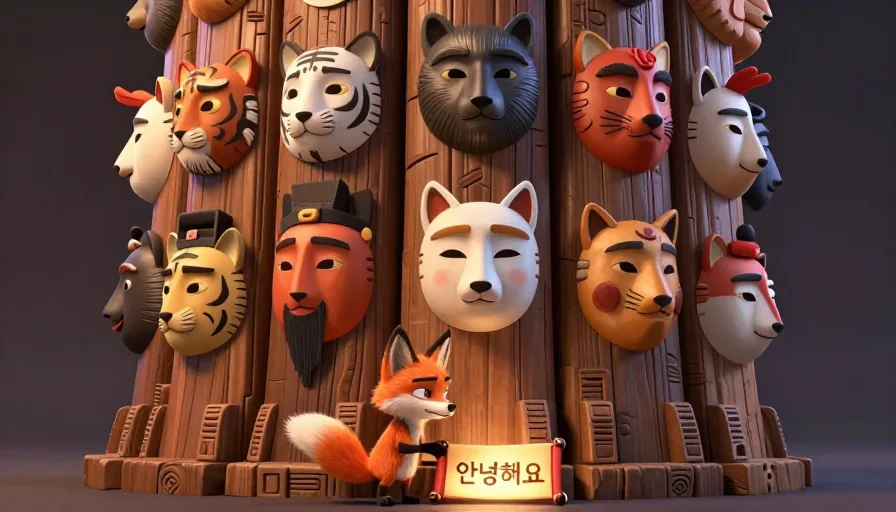
Learning to say 'hi in ko' is more than just memorizing a phrase; it's about understanding the cultural nuances and social hierarchy that govern Korean greetings. This guide will equip you with the knowledge to greet people appropriately in various situations, helping you sound natural and respectful.
The Essential Korean Greetings: Choosing the Right Word for the Right Person
Korean has several ways to say 'hi,' each with its own context and level of formality. Here are the most common greetings:
- 안녕하세요 (Annyeonghaseyo) - Formal 'hello' used with elders, superiors, or in formal settings.
- 안녕 (Annyeong) - Informal 'hi' used with friends, peers, or in casual settings.
- 안녕하세요 (Annyeonghaseyo) - A more casual version of the formal greeting, used with acquaintances or in semi-formal settings.
- 여보세요 (Yeoboseyo) - Used when answering the phone.
- 잘 지내세요? (Jal jinaeseyo?) - A polite way to ask 'How have you been?'
Mini Drill: Greeting Match
Match the greeting to the situation:
- Meeting your boss for the first time
- Greeting a friend on the street
- Answering a phone call from a stranger
- Asking a colleague how they've been
Beyond 'Hi': Understanding Korean Politeness Levels (Honorifics)
Korean language has a complex system of honorifics that reflect the speaker's relationship with the listener. Here's a breakdown:
- Polite (존댓말 - Jondaemal): Used with elders, superiors, or strangers. It shows respect and formality.
- Informal (반말 - Banmal): Used with friends, peers, or subordinates. It's casual and familiar.
- Humble (존댓말 - Jondaemal): Used when the speaker is in a lower position or wants to show humility.
Checklist: Choosing the Right Politeness Level
- Consider the age of the person you're greeting.
- Consider your relationship with the person.
- Consider the setting (formal vs. informal).
Contextual Usage: When to Use Formal vs. Informal Greetings
The context in which you use a greeting is crucial. Here are some guidelines:
- Formal greetings are used in professional settings, with elders, or when meeting someone for the first time.
- Informal greetings are used with friends, peers, or in casual settings.
Practical Scenarios
- Greeting a friend: Use '안녕 (Annyeong)' or '안녕하세요 (Annyeonghaseyo)'
- Greeting an elder: Use '안녕하세요 (Annyeonghaseyo)'
- Greeting a superior: Use '안녕하세요 (Annyeonghaseyo)'
- Greeting a stranger: Use '안녕하세요 (Annyeonghaseyo)'

Learn Languages with YouTube
Watch videos in your target language, auto-capture words into flashcards, and track your progress — all in one place.
See How It Works →Common Mistakes: How to Sound Natural When Greeting Koreans
Learners often make mistakes when greeting Koreans due to the language's complexity. Here are some common errors and how to avoid them:
- Using the wrong politeness level: Always consider the context and relationship before choosing a greeting.
- Mispronouncing greetings: Practice the pronunciation to sound natural.
- Not using honorifics: Korean culture values respect and humility, so using honorifics is essential.
- Not considering the setting: The greeting you use should match the formality of the setting.
Mini Drill: Correct the Mistakes
Correct the following greetings:
- Using '안녕 (Annyeong)' with your boss
- Using '안녕하세요 (Annyeonghaseyo)' with a friend
- Not using honorifics with an elder
- Using '안녕하세요 (Annyeonghaseyo)' in a casual setting
The Social Hierarchy in Korean Greetings
Korean society is hierarchical, and greetings reflect this. Here's a breakdown of the social hierarchy and how it affects greetings:
- Elders: Always use formal greetings and honorifics.
- Superiors: Use formal greetings and honorifics.
- Peers: Use informal greetings or semi-formal greetings.
- Subordinates: Use informal greetings or semi-formal greetings.
Checklist: Navigating Korean Social Hierarchy
- Always use formal greetings with elders and superiors.
- Use informal greetings with peers and subordinates.
- Consider the setting and relationship before choosing a greeting.
Practical Scenarios: Greeting in Different Situations
Here are some practical scenarios to help you understand when to use each greeting:
- Greeting a friend: Use '안녕 (Annyeong)' or '안녕하세요 (Annyeonghaseyo)'
- Greeting an elder: Use '안녕하세요 (Annyeonghaseyo)'
- Greeting a superior: Use '안녕하세요 (Annyeonghaseyo)'
- Greeting a stranger: Use '안녕하세요 (Annyeonghaseyo)'
Conclusion
Mastering 'hi in ko' is about more than just learning a phrase; it's about understanding the cultural nuances and social hierarchy that govern Korean greetings. By following this guide, you'll be able to greet people appropriately in various situations, helping you sound natural and respectful.
FAQ
What if I'm not sure about the person's age or social status?
If you're unsure, it's always better to err on the side of formality. Use '안녕하세요 (Annyeonghaseyo)' until you're sure of the appropriate level of politeness.
Can I use informal greetings with everyone once we're friends?
Even with friends, it's important to consider the setting. In formal or professional settings, use formal greetings. In casual settings, informal greetings are appropriate.
What if I make a mistake?
Mistakes happen, and Koreans generally understand that learners are still learning. Apologize if necessary, and correct yourself. Most importantly, keep practicing to improve.
Related phrases
Start with Metheus
Watch videos in your target language, auto-capture words into flashcards, and track your progress — all in one place.
Get Started →

