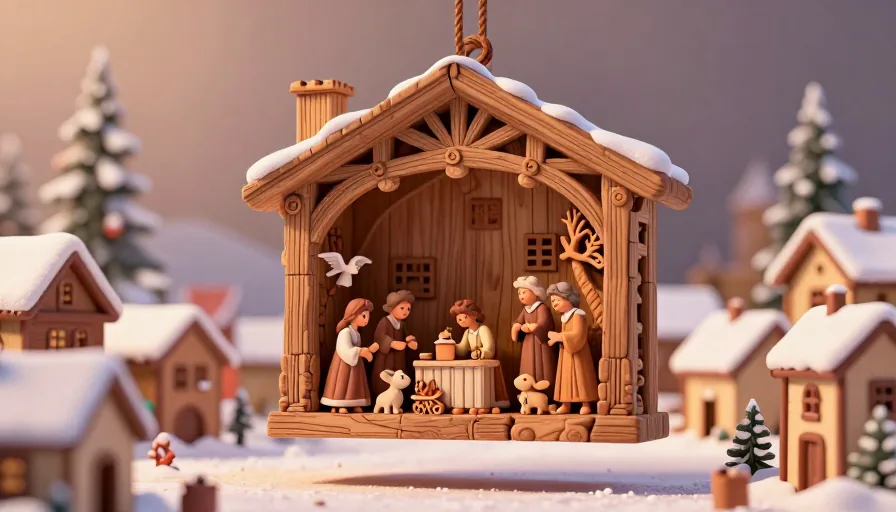
italian for merry xmas: guía práctica y clara para dominar este tema en contexto real.
Italian for Merry Christmas: A Comprehensive Guide to Holiday Greetings and Traditions
Learning Italian for Merry Christmas is a wonderful way to connect with Italian culture and traditions during the holiday season. Whether you're planning a trip to Italy, have Italian friends or family, or simply want to immerse yourself in the language, this guide will provide you with everything you need to know.
The Essential Phrase: How to Say 'Merry Christmas' in Italian
The most direct way to say 'Merry Christmas' in Italian is Buon Natale. This phrase is widely used and understood throughout Italy. Here's how you can pronounce it:
- Buon (bo-on)
- Natale (na-ta-leh)
Pronunciation Drill:
Repeat the phrase aloud several times to get comfortable with the pronunciation. Try saying it with different intonations to mimic natural conversation.
Beyond the Greeting: Other Useful Holiday Phrases
While Buon Natale is the essential phrase, there are other useful holiday greetings and phrases that can enhance your Italian Christmas experience. Here are some alternatives and related phrases:
- Buone Feste (bwo-neh feh-steh) - Happy Holidays
- Felice Natale (feh-lee-cheh na-ta-leh) - Merry Christmas (more formal)
- Buon Anno (bo-on ah-no) - Happy New Year
- Tanti Auguri di Buon Natale (tan-tee aw-goo-ree dee bo-on na-ta-leh) - Best wishes for a Merry Christmas
Practical Example:
Imagine you're in Italy and you want to wish someone a happy holiday season. You could say:
Buon Natale e Buone Feste! (Merry Christmas and Happy Holidays!)
Writing for Connection: Italian Phrases for Christmas Cards
Writing Christmas cards in Italian is a thoughtful way to connect with Italian friends and family. Here are some phrases you can use:
- Con affetto (kon ah-fek-toh) - With affection
- Con tanto amore (kon tan-to ah-mo-reh) - With lots of love
- Auguri di un Natale sereno (aw-goo-ree dee oon na-ta-leh seh-reh-noh) - Wishes for a peaceful Christmas
- Buon Natale e Felice Anno Nuovo (bo-on na-ta-leh eh feh-lee-cheh ah-no noo-vo) - Merry Christmas and Happy New Year
Checklist for Writing Italian Christmas Cards:
- Start with a greeting like Buon Natale.
- Add a personal message using one of the phrases above.
- Sign off with a warm closing like Con affetto.
- Double-check your spelling and grammar.
- Consider adding a holiday-themed sticker or stamp to make it more festive.

Learn Languages with YouTube
Watch videos in your target language, auto-capture words into flashcards, and track your progress — all in one place.
See How It Works →Italian Christmas Traditions: What to Know
Understanding Italian Christmas traditions can deepen your appreciation for the language and culture. Here are some key traditions to know:
- Christmas Eve (La Vigilia di Natale): Italians often celebrate with a seafood dinner, known as Il Cenone della Vigilia.
- Christmas Day (Il Giorno di Natale): Families gather for a large meal, often featuring traditional dishes like panettone (a sweet bread) and torrone (nougat).
- Epiphany (L'Epifania): Celebrated on January 6th, this holiday marks the end of the Christmas season. Children receive gifts from La Befana, a friendly witch.
Cultural Tip:
In Italy, Christmas is a family-oriented holiday. If you're invited to a Christmas dinner, be prepared for a large, festive meal with lots of traditional dishes and plenty of conversation.
Expanding Your Italian Vocabulary for the Holidays
To fully immerse yourself in the Italian Christmas experience, expand your vocabulary with these useful words and phrases:
- Albero di Natale (al-beh-roh dee na-ta-leh) - Christmas tree
- Presepe (preh-zeh-peh) - Nativity scene
- Regali (reh-gah-lee) - Gifts
- Babbo Natale (bah-boh na-ta-leh) - Santa Claus
- Panettone (pah-net-toh-neh) - Traditional Italian Christmas cake
- Torrone (tor-roh-neh) - Nougat
- Cenone (cheh-no-neh) - Big dinner
- Auguri (aw-goo-ree) - Best wishes
Mini Drill:
Try to use these words in sentences. For example:
Vorrei comprare un albero di Natale. (I would like to buy a Christmas tree.)
Ho ricevuto tanti regali per Natale. (I received many gifts for Christmas.)
Practical Application: Conversational Italian for the Holidays
To make the most of your Italian language skills during the holidays, practice these conversational phrases:
- Come festeggi il Natale? (Koh-meh feh-steh-jee eel na-ta-leh?) - How do you celebrate Christmas?
- Quali sono le tue tradizioni di Natale? (Kwa-lee soh-no leh too-eh tra-dee-tsee-oh-nee dee na-ta-leh?) - What are your Christmas traditions?
- Cosa fai per Capodanno? (Koh-zah fah ee per kah-po-dah-noh?) - What do you do for New Year's?
- Ti piace il panettone? (Tee pya-cheh eel pah-net-toh-neh?) - Do you like panettone?
Role-Play Exercise:
Practice a conversation with a friend or family member. Imagine you're at a Christmas party in Italy and you're meeting new people. Use the phrases above to ask about their traditions and share your own.
Common Mistakes to Avoid
When learning Italian for Merry Christmas, avoid these common mistakes:
- Mistaking Buon Natale for Buon Anno: Remember that Buon Natale is for Christmas, while Buon Anno is for the New Year.
- Overusing Formal Phrases: While Felice Natale is correct, it's more formal. Buon Natale is more commonly used.
- Ignoring Cultural Context: Understand that Christmas in Italy is a family-oriented holiday with specific traditions. Be mindful of these when interacting with Italians.
By following this comprehensive guide, you'll be well-equipped to navigate the Italian Christmas season with confidence. Whether you're sending cards, engaging in conversations, or simply enjoying the traditions, your Italian language skills will enhance your experience.
FAQ
Is 'Buon Natale' the only way to say 'Merry Christmas' in Italian?
No, while 'Buon Natale' is the most common way to say 'Merry Christmas' in Italian, there are other phrases you can use, such as 'Felice Natale' (more formal) and 'Buone Feste' (Happy Holidays).
What are some traditional Italian Christmas foods?
Traditional Italian Christmas foods include panettone (a sweet bread), torrone (nougat), and various seafood dishes served during the Christmas Eve dinner (Il Cenone della Vigilia).
How do Italians celebrate the end of the Christmas season?
In Italy, the Christmas season officially ends with the celebration of Epiphany (L'Epifania) on January 6th. Children receive gifts from La Befana, a friendly witch, on this day.
Related phrases
Start with Metheus
Watch videos in your target language, auto-capture words into flashcards, and track your progress — all in one place.
Get Started →

