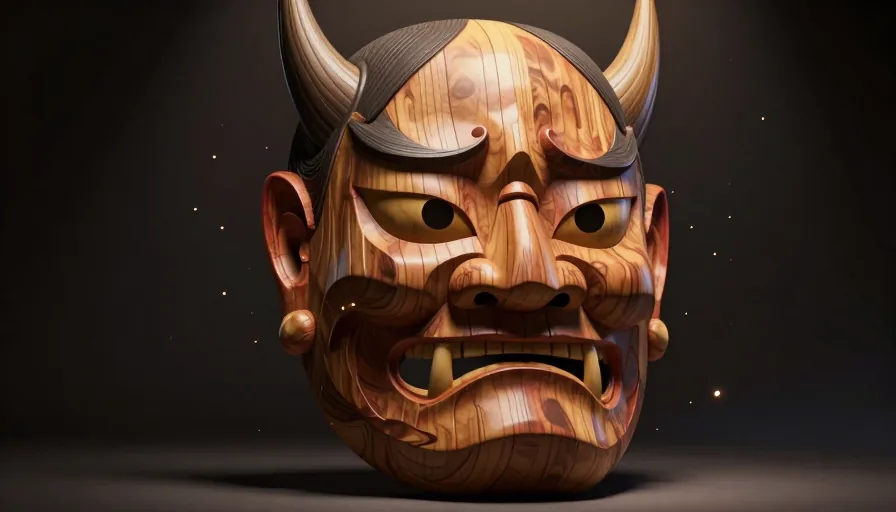
When learning how to say 'sorry in Japanese formal', it's crucial to understand the nuances of formality in Japanese apologies. This guide will help you navigate the spectrum of apologies, focusing specifically on formal contexts. We'll explore key phrases like 'Shitsurei Shimasu' and 'Hontōni Mōshiwakenai', and provide practical examples to help you master the art of apologizing formally in Japanese.
Understanding the Spectrum of Apologies in Japanese
Japanese apologies range from casual to deeply formal, and understanding this spectrum is key to effective communication. Here's a brief overview:
- Casual: Used among friends and family (e.g., 'Gomen' - ごめん).
- Polite: Used in general situations (e.g., 'Sumimasen' - すみません).
- Formal: Used in business and serious situations (e.g., 'Shitsurei Shimasu' - 失礼します).
Checklist: Identifying the Right Level of Formality
- Who are you speaking to? (Friend, colleague, superior?)
- What is the context? (Casual conversation, business meeting, serious mistake?)
- What is the cultural expectation? (Japanese culture values formality in certain situations.)
Formal Apologies for Business and Serious Mistakes
In business settings or when addressing serious mistakes, it's essential to use formal apologies. Here are some key phrases:
-
Shitsurei Shimasu (失礼します)
- Meaning: 'I am being rude.'
- Usage: Used when leaving a room or interrupting someone.
- Example: Before leaving a meeting, you might say, 'Shitsurei Shimasu' to politely excuse yourself.
-
Hontōni Mōshiwakenai (本当に申し訳ありません)
- Meaning: 'I am truly sorry.'
- Usage: Used for serious mistakes or when deeply apologizing.
- Example: If you made a significant error at work, you might say, 'Hontōni Mōshiwakenai' to express your sincere apology.
Mini Drill: Practice Formal Apologies
- Imagine you are late for a business meeting. What would you say?
- You accidentally sent an email to the wrong person. How would you apologize?
- You need to leave a formal gathering early. What phrase would you use?

Learn Languages with YouTube
Watch videos in your target language, auto-capture words into flashcards, and track your progress — all in one place.
See How It Works →When to Use 'Shitsurei Shimasu' vs. 'Hontōni Mōshiwakenai'
Both phrases are formal, but they are used in different contexts:
- Shitsurei Shimasu: Use this when you need to excuse yourself or acknowledge a minor inconvenience. It's polite but not overly formal.
- Hontōni Mōshiwakenai: Reserve this for serious situations where you need to express deep regret or apologize for a significant mistake.
Practical Examples
-
Business Meeting: You are running late.
- 'Shitsurei Shimasu, but I am on my way and will be there shortly.'
-
Serious Mistake: You made a costly error in a project.
- 'Hontōni Mōshiwakenai for the mistake. I will work diligently to correct it.'
Cultural Context of Apologizing in Japanese Business or Formal Settings
In Japanese culture, formality and respect are highly valued, especially in business settings. Apologizing formally is not just about saying the right words; it's about showing respect and humility. Here are some cultural tips:
- Bow: A slight bow can accompany your apology to show sincerity.
- Avoid Excuses: Japanese culture values taking responsibility without making excuses.
- Follow-Up: After apologizing, follow up with actions to rectify the situation.
Common Mistakes to Avoid
- Overusing Informal Phrases: Using 'Gomen' in a formal setting can come across as disrespectful.
- Not Bowing: Failing to bow can make your apology seem insincere.
- Making Excuses: Blaming others or circumstances can undermine your apology.
Conclusion
Mastering 'sorry in Japanese formal' involves understanding the nuances of formality and cultural context. By using the right phrases and showing respect, you can effectively apologize in formal settings. Practice the phrases and cultural tips to become proficient in formal Japanese apologies.
Final Checklist for Formal Apologies
- Know the difference between 'Shitsurei Shimasu' and 'Hontōni Mōshiwakenai'.
- Practice bowing while apologizing.
- Avoid making excuses and take responsibility.
- Follow up with actions to rectify the situation.
By following this guide, you'll be well-equipped to handle formal apologies in Japanese, ensuring you communicate respectfully and effectively in any situation.
FAQ
What if I accidentally use an informal apology in a formal setting?
If you accidentally use an informal apology in a formal setting, it's best to quickly correct yourself with a formal apology. For example, if you say 'Gomen' instead of 'Shitsurei Shimasu', you can follow up with 'Shitsurei Shimasu' and a bow to show your respect and sincerity.
Is it necessary to bow when apologizing formally in Japanese?
Yes, bowing is an important part of formal apologies in Japanese culture. It shows respect and sincerity. A slight bow can accompany your apology to make it more meaningful.
Can I use 'Hontōni Mōshiwakenai' for minor mistakes?
While 'Hontōni Mōshiwakenai' is a sincere apology, it is typically reserved for serious mistakes. For minor mistakes, 'Shitsurei Shimasu' or 'Sumimasen' would be more appropriate.
Related phrases
Start with Metheus
Watch videos in your target language, auto-capture words into flashcards, and track your progress — all in one place.
Get Started →

