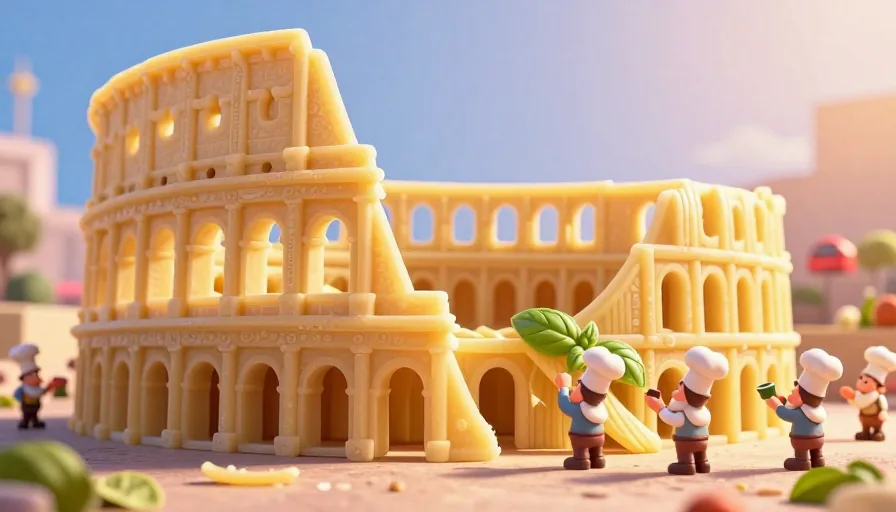
Mastering Italian terms for food is crucial for anyone looking to explore Italian cuisine, whether you're a traveler navigating menus or a cook experimenting with new recipes. This guide provides a comprehensive A-Z list of essential Italian food vocabulary, along with practical tips and examples to help you use these terms confidently.
Essential Italian Food Vocabulary: A Quick Reference Guide
Before diving into specific categories, let's start with a quick reference guide to some of the most common Italian food terms. This list will serve as a foundation for the more detailed sections that follow.
Common Italian Food Terms
| Italian Term | English Translation | Example Usage |
|---|---|---|
| Pasta | Pasta | Vorrei ordinare degli spaghetti al pomodoro. (I would like to order spaghetti with tomato sauce.) |
| Pizza | Pizza | La pizza margherita è deliziosa. (The Margherita pizza is delicious.) |
| Gelato | Gelato | Mi piace il gelato al cioccolato. (I like chocolate gelato.) |
| Caffè | Coffee | Posso avere un caffè espresso, per favore? (Can I have an espresso coffee, please?) |
| Vino | Wine | Questo vino rosso è molto buono. (This red wine is very good.) |
Navigating Italian Menus: Key Food Terms
When dining in Italy, understanding the menu is essential. Here are some key terms and phrases that will help you navigate Italian menus with ease.
Starters (Antipasti)
- Bruschetta: Toasted bread rubbed with garlic and topped with tomatoes, olive oil, and basil.
- Caprese: A salad made with fresh mozzarella, tomatoes, and basil, dressed with olive oil and balsamic glaze.
- Carpaccio: Thinly sliced raw meat or fish, often served with arugula and shaved Parmesan.
Main Courses (Primi e Secondi)
- Primi: First courses, typically pasta or risotto.
- Spaghetti alla Carbonara: Spaghetti with a creamy sauce made from eggs, pecorino cheese, pancetta, and black pepper.
- Risotto ai Funghi: Risotto cooked with mushrooms and Parmesan cheese.
- Secondi: Second courses, usually meat or fish.
- Pollo alla Cacciatora: Chicken cooked with tomatoes, bell peppers, and onions.
- Bistecca alla Fiorentina: A thick-cut T-bone steak, typically from the Chianina cattle breed.
Desserts (Dolci)
- Tiramisù: A layered dessert made with coffee-soaked ladyfingers and mascarpone cheese.
- Panna Cotta: A smooth and creamy dessert made with cream, milk, and gelatin, often flavored with vanilla or fruit.
- Cannoli: Tube-shaped shells of fried pastry dough filled with a sweet, creamy filling usually containing ricotta.
Understanding Italian Food Categories (Produce, Dairy, Meat)
Fruits (La Frutta)
- Mela: Apple
- Banana: Banana
- Arancia: Orange
- Pera: Pear
- Uva: Grape
Vegetables (La Verdura)
- Carota: Carrot
- Pomodoro: Tomato
- Cipolla: Onion
- Zucchina: Zucchini
- Peperone: Bell pepper
Dairy (Prodotti Lattiero-Caseari)
- Formaggio: Cheese
- Latte: Milk
- Burro: Butter
- Panna: Cream
- Yogurt: Yogurt
Meat (La Carne)
- Pollo: Chicken
- Manzo: Beef
- Maiale: Pork
- Agnello: Lamb
- Coniglio: Rabbit

Learn Languages with YouTube
Watch videos in your target language, auto-capture words into flashcards, and track your progress — all in one place.
See How It Works →Distinguishing Similar-Sounding or Similar-Concept Words
Italian has many words that sound similar but have different meanings. Here are some common pitfalls to avoid.
Cannella vs. Cannellini
- Cannella: Cinnamon
- Example: Aggiungi un pizzico di cannella alla tua tazza di caffè. (Add a pinch of cinnamon to your cup of coffee.)
- Cannellini: White kidney beans
- Example: I cannellini sono ottimi in insalate e zuppe. (Cannellini beans are great in salads and soups.)
Panna vs. Panna Acida
- Panna: Cream
- Example: La panna è perfetta per i dolci. (Cream is perfect for desserts.)
- Panna Acida: Sour cream
- Example: La panna acida è ottima con i piatti di carne. (Sour cream is great with meat dishes.)
Contextual Usage: Menus vs. Conversation
Understanding how to use Italian food terms in different contexts is crucial. Here are some tips for using these terms in menus and conversations.
Menus
When reading a menu, look for these common phrases:
- Antipasti: Starters
- Primi: First courses (usually pasta or risotto)
- Secondi: Second courses (usually meat or fish)
- Contorni: Side dishes
- Dolci: Desserts
- Beverande: Drinks
Conversations
When talking about food in conversation, use these phrases:
- Mi piace...: I like...
- Example: Mi piace il gelato al cioccolato. (I like chocolate gelato.)
- Non mi piace...: I don't like...
- Example: Non mi piace il pesce. (I don't like fish.)
- Sono allergico/a a...: I am allergic to...
- Example: Sono allergico/a ai frutti di mare. (I am allergic to seafood.)
Practical Checklist for Learning Italian Food Vocabulary
Use this checklist to help you master Italian food vocabulary:
- Learn the basic food groups (fruits, vegetables, dairy, meat, desserts).
- Practice reading menus and identifying key food terms.
- Use flashcards to memorize new vocabulary.
- Practice conversations about food with a language partner or tutor.
- Try cooking Italian recipes to apply what you've learned.
Mini Drills for Italian Food Vocabulary
Drill 1: Matching
Match the Italian term with its English translation:
- Pasta
- Pizza
- Gelato
- Caffè
- Vino
a. Wine b. Coffee c. Ice cream d. Pasta e. Pizza
Drill 2: Fill in the Blank
Fill in the blank with the correct Italian term:
- Vorrei ordinare degli __________ al pomodoro. (I would like to order spaghetti with tomato sauce.)
- La __________ margherita è deliziosa. (The Margherita pizza is delicious.)
- Mi piace il __________ al cioccolato. (I like chocolate gelato.)
- Posso avere un __________ espresso, per favore? (Can I have an espresso coffee, please?)
- Questo __________ rosso è molto buono. (This red wine is very good.)
Drill 3: Translation
Translate the following sentences into Italian:
- I like to eat fruit for breakfast.
- I am allergic to nuts.
- The pasta is very good.
- I would like to order a salad.
- The wine is excellent.
Conclusion
Mastering Italian terms for food is an essential skill for anyone looking to explore Italian cuisine. With this comprehensive A-Z guide, you'll be well-equipped to navigate menus, converse confidently, and even cook Italian dishes like a pro. Buon appetito!
FAQ
How can I quickly learn Italian food terms for my upcoming trip to Italy?
Focus on high-frequency terms and practice with flashcards. Use this guide to learn essential vocabulary and practice reading menus. Try to order food in Italian when dining out to reinforce your learning.
What are some common mistakes to avoid when learning Italian food vocabulary?
Avoid confusing similar-sounding words like cannella (cinnamon) and cannellini (white kidney beans). Pay attention to context, as some words have different usages in menus versus conversations.
Related phrases
Start with Metheus
Watch videos in your target language, auto-capture words into flashcards, and track your progress — all in one place.
Get Started →

