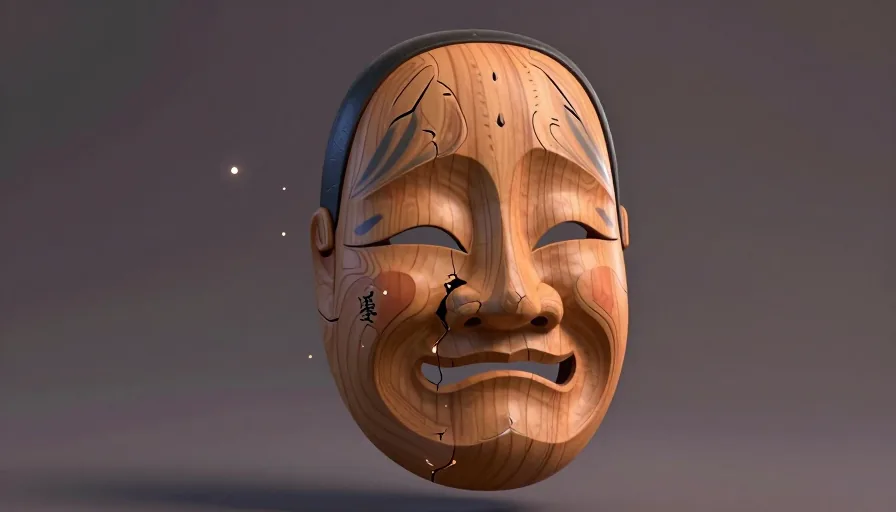
Mastering the Japanese Apology: Cultural Context and Practical Usage
Understanding how to effectively apologize in Japanese is crucial for cultural fluency. The Japanese apology is more than just a phrase; it's a reflection of the deep cultural values of harmony and respect. This guide will help you navigate the nuances of Japanese apologies, from casual to formal, and provide practical scenarios to enhance your language skills.
Understanding the Spectrum of Japanese Apologies: From Casual to Formal
Japanese apologies vary greatly depending on the level of formality required. Here's a breakdown:
- Casual Apologies: Used among friends and family.
- Example: Sumimasen (すみません) - Sorry.
- Polite Apologies: Used in most social situations and business settings.
- Example: Mōshimasen (申し訳ありません) - I am sorry.
- Formal Apologies: Used in serious situations or when addressing someone of a higher status.
- Example: Gomen nasai (ご免なさい) - I am truly sorry.
Checklist for Choosing the Right Apology Level
- Identify the relationship (friend, colleague, superior)
- Assess the severity of the situation
- Choose the appropriate phrase based on the context
Cultural Nuances: Why Apologies are Central to Japanese Etiquette
In Japanese culture, maintaining harmony (和, wa) and showing respect (敬, kei) are paramount. Apologies are a key part of this etiquette. They help to restore balance and show remorse. Understanding this cultural context will help you use apologies more effectively.
Mini Drill: Cultural Context
- Think of a situation where you might need to apologize in Japanese.
- Consider the cultural values of harmony and respect.
- Choose the appropriate apology level based on the context.

Learn Languages with YouTube
Watch videos in your target language, auto-capture words into flashcards, and track your progress — all in one place.
See How It Works →Mastering Key Phrases: When to Use Sumimasen vs. Other Expressions
Sumimasen (すみません) is one of the most common Japanese apology phrases, but it's not the only one. Here are some key phrases and their appropriate usage:
- Sumimasen (すみません) - Used for minor inconveniences or to get someone's attention.
- Example: Sumimasen, doko desu ka? (すみません、どこですか?) - Excuse me, where is it?
- Mōshimasen (申し訳ありません) - Used for more serious situations or when addressing someone of a higher status.
- Example: Mōshimasen, chikoku shimashita. (申し訳ありません、遅刻しました。) - I am sorry, I am late.
- Gomen nasai (ご免なさい) - Used for very serious situations or when you feel deeply remorseful.
- Example: Gomen nasai, daijōbu desu ka? (ご免なさい、大丈夫ですか?) - I am truly sorry, are you okay?
Common Mistakes Learners Make
- Overusing Sumimasen: While sumimasen is versatile, overusing it can dilute its meaning.
- Using the Wrong Level of Formality: Using a casual apology in a formal setting can be disrespectful.
- Not Understanding the Cultural Context: Apologizing without understanding the cultural nuances can lead to misunderstandings.
Real-World Scenarios: Apologizing in Business and Customer Service
Business Settings
In business, apologies are often used to maintain professionalism and respect. Here are some scenarios:
- Meeting a Client Late: Use Mōshimasen (申し訳ありません) to show respect and professionalism.
- Example: Mōshimasen, chikoku shimashita. (申し訳ありません、遅刻しました。) - I am sorry, I am late.
- Making a Mistake in a Presentation: Use Gomen nasai (ご免なさい) to show remorse and take responsibility.
- Example: Gomen nasai, chigau toko ga arimashita. (ご免なさい、違うところがありました。) - I am truly sorry, there was a mistake.
Customer Service
In customer service, apologies are used to resolve issues and maintain customer satisfaction. Here are some scenarios:
- Handling a Customer Complaint: Use Mōshimasen (申し訳ありません) to show empathy and a willingness to resolve the issue.
- Example: Mōshimasen, anata no shitsumon ni kōtai shimasu. (申し訳ありません、あなたの質問に答えます。) - I am sorry, I will answer your question.
- Delivering a Late Order: Use Gomen nasai (ご免なさい) to show remorse and take responsibility.
- Example: Gomen nasai, chikoku shimashita. (ご免なさい、遅刻しました。) - I am truly sorry, it is late.
Practical Checklist for Apologizing in Japanese
- Identify the situation and the appropriate level of formality.
- Choose the correct phrase based on the context.
- Consider the cultural values of harmony and respect.
- Practice the phrase in a real-world scenario.
By understanding the nuances of Japanese apologies and practicing in real-world scenarios, you can achieve cultural fluency and enhance your language skills. This guide provides a structured approach to mastering the Japanese apology, from casual to formal, and helps you navigate the cultural context behind these phrases.
FAQ
What if I accidentally use the wrong level of formality in an apology?
If you accidentally use the wrong level of formality, don't worry too much. Japanese people understand that language learning takes time. Apologize sincerely and correct your mistake if possible. For example, if you used a casual apology in a formal setting, you can follow up with a more formal apology: *Mōshimasen, kasoku shimashita.* (申し訳ありません、過失しました。) - I am sorry, I made a mistake.
How can I practice apologizing in Japanese without making mistakes?
Practice makes perfect. Start by using the phrases in low-stakes situations, such as with friends or in role-playing scenarios. Gradually move to more formal settings as you become more comfortable. Use the checklist provided in this guide to help you choose the right apology level and phrase.
Related phrases
Start with Metheus
Watch videos in your target language, auto-capture words into flashcards, and track your progress — all in one place.
Get Started →

