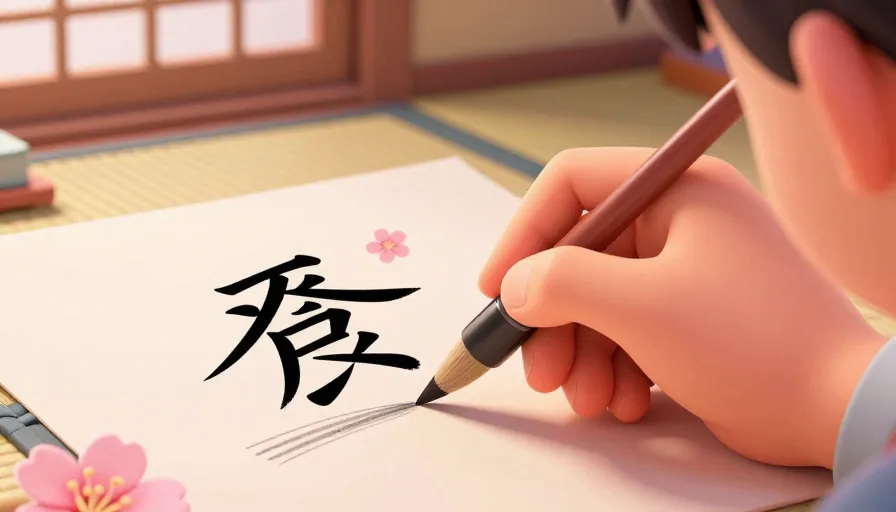
Messy Japanese handwriting can be a significant barrier to effective communication and learning. Unlike Latin script, Japanese characters (Hiragana, Katakana, and Kanji) require precise stroke order and consistent spacing. This guide will help you master the fundamentals of Japanese handwriting, ensuring your written communication is clear and accurate.
Understanding the Japanese Writing System: Hiragana, Katakana, and Kanji
Before diving into handwriting techniques, it's crucial to understand the three main Japanese writing systems:
- Hiragana: Used for native Japanese words and grammatical elements. It consists of 46 basic characters.
- Katakana: Primarily used for foreign words and names. It also has 46 basic characters, each corresponding to a Hiragana character.
- Kanji: Logographic characters borrowed from Chinese. There are thousands of Kanji, but proficiency requires knowledge of around 2,000.
Key Differences from Latin Script
- Stroke Order: Japanese characters have a specific stroke order that must be followed. This is unlike Latin script, where letters can be written in any order.
- Character Complexity: Kanji characters can have up to 20 strokes, making them more complex than Latin letters.
- Spacing: Japanese text is written in a uniform vertical or horizontal layout, with consistent spacing between characters and lines.
The Critical Role of Stroke Order in Japanese Handwriting
Stroke order is fundamental to neat and legible Japanese handwriting. It ensures characters are written correctly and efficiently. Here are some tips to master stroke order:
- Learn the Basics: Start with Hiragana and Katakana. Practice each character's stroke order until it becomes second nature.
- Use Visual Aids: Many resources provide stroke order diagrams. Utilize these to reinforce correct writing habits.
- Practice Drills: Write each character repeatedly, focusing on stroke order. This will help ingrain the correct sequence in your muscle memory.
Common Mistakes and Corrections
- Incorrect Stroke Order: This can lead to illegible characters. Always double-check the stroke order before writing.
- Inconsistent Spacing: Ensure each stroke is evenly spaced to maintain character clarity.
Mastering Spacing and Consistency with Practice Methods
Consistent spacing is vital for legible Japanese handwriting. Here are some techniques to improve spacing:
- Use Grids: Practice writing on grid paper to maintain consistent character size and spacing.
- Focused Drills: Write characters repeatedly within a grid to develop muscle memory for spacing.
- Journaling: Keep a handwriting journal where you practice characters daily. This will help you track your progress and identify areas for improvement.
Checklist for Consistent Spacing
- Use grid paper for practice sessions.
- Ensure each character fits within the grid squares.
- Maintain even spacing between characters and lines.
- Regularly review and adjust your spacing as needed.

Learn Languages with YouTube
Watch videos in your target language, auto-capture words into flashcards, and track your progress — all in one place.
See How It Works →Choosing the Right Tools for Japanese Handwriting Practice
The right tools can significantly enhance your handwriting practice. Here are some recommendations:
- Pens: Use a fine-tip pen (e.g., Pilot G2, Sakura Pigma Micron) for precise strokes.
- Practice Sheets: Invest in practice sheets designed for Japanese characters. These often include stroke order guides and grids.
- Digital Tools: Apps like Skritter or Anki can provide interactive practice and feedback.
Mini Drill: Pen Comparison
Try writing the same character with different pens (e.g., ballpoint, gel, fountain) and compare the results. Note which pen provides the best control and clarity.
Recommended Practice Methods for Improving Japanese Handwriting
Consistent practice is key to improving your Japanese handwriting. Here are some effective methods:
- Journaling: Dedicate a few minutes each day to writing characters in your journal.
- Focused Drills: Spend 15-20 minutes daily on focused drills, concentrating on stroke order and spacing.
- Copying Texts: Copy sentences or paragraphs from Japanese texts to practice character flow and spacing.
Example Practice Routine
- Morning: Spend 10 minutes on focused drills, practicing Hiragana and Katakana.
- Afternoon: Copy a short Japanese text, focusing on character spacing and flow.
- Evening: Write a few sentences in your journal, reflecting on the day's learning.
The Role of Tools in the Writing Process
Choosing the right tools can make a significant difference in your handwriting practice. Here are some tools to consider:
- Pens: A fine-tip pen is essential for precise strokes. Experiment with different types to find what works best for you.
- Practice Sheets: Use sheets with grids and stroke order guides to reinforce correct writing habits.
- Digital Tools: Apps and software can provide interactive practice and feedback, enhancing your learning experience.
Mini Drill: Tool Comparison
Try writing the same character with different tools (e.g., pen, pencil, digital stylus) and compare the results. Note which tool provides the best control and clarity.
Conclusion
Improving your Japanese handwriting requires consistent practice, attention to detail, and the right tools. By mastering stroke order, spacing, and using effective practice methods, you can overcome messy Japanese handwriting and enhance your written communication skills.
FAQ
Why is stroke order important in Japanese handwriting?
Stroke order is crucial because it ensures characters are written correctly and efficiently. Following the correct stroke order helps in maintaining legibility and consistency in your handwriting.
How can I improve my spacing in Japanese handwriting?
Use grid paper to practice writing characters within defined spaces. This will help you develop muscle memory for consistent spacing. Regularly review and adjust your spacing to maintain clarity.
What tools are best for practicing Japanese handwriting?
Fine-tip pens like the Pilot G2 or Sakura Pigma Micron are excellent for precise strokes. Practice sheets with grids and stroke order guides, as well as digital tools like Skritter or Anki, can also enhance your practice.
Related phrases
Start with Metheus
Watch videos in your target language, auto-capture words into flashcards, and track your progress — all in one place.
Get Started →

