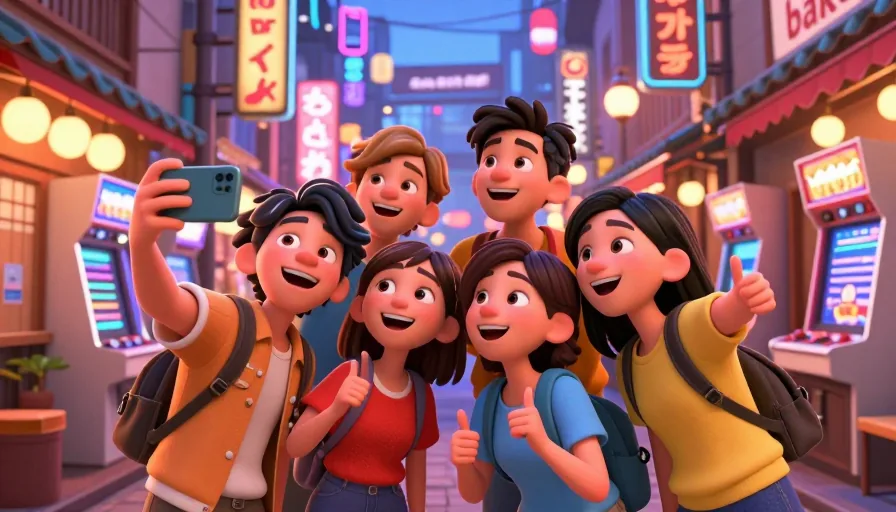
Understanding slang in Japanese is crucial for anyone aiming to achieve native-like fluency. While textbook Japanese provides a solid foundation, incorporating slang into your vocabulary bridges the gap between formal language and real conversation. This guide will explore the distinction between formal Japanese and slang, the social contexts where specific slang is used, and provide a curated list of essential, modern Japanese slang terms.
Why Slang Matters: Bridging the Gap Between Textbook Japanese and Real Conversation
Learning slang in Japanese is about more than just expanding your vocabulary; it's about understanding the cultural nuances and social contexts that shape everyday communication. Slang often reflects the evolving nature of language, capturing the essence of contemporary culture and youth trends. By mastering slang, you'll be able to engage more authentically with native speakers, understand pop culture references, and navigate social situations with ease.
The Importance of Context
Context is key when it comes to slang. What might be acceptable among friends could be inappropriate in a formal setting. For example, using the slang term やばい (yabai) to describe something as 'cool' or 'awesome' is common among younger generations but might not be understood by older speakers. Understanding these nuances helps you avoid faux pas and communicate more effectively.
Essential Slang for Casual Conversation (Everyday Slang)
Here's a curated list of essential, modern Japanese slang terms that you can start using in casual conversations:
1. やばい (yabai)
- Meaning: Cool, awesome, or dangerous, depending on the context.
- Example: この映画、やばいね! (Kono eiga, yabai ne!) - This movie is awesome!
2. 半端ない (hanpa nai)
- Meaning: Incredible, amazing.
- Example: そのパーティー、半端ないよ! (Sono pa-tī, hanpa nai yo!) - That party was amazing!
3. ちょー (chō)
- Meaning: Very, extremely.
- Example: このゲーム、ちょー面白い! (Kono gēmu, chō omoshiroi!) - This game is very interesting!
4. いいね (ii ne)
- Meaning: Good, okay.
- Example: そのアイデア、いいね! (Sono aidea, ii ne!) - That idea is good!
5. ぜんぜん (zenzen)
- Meaning: Not at all, completely.
- Example: ぜんぜんわからない。 (Zenzen wakaranai.) - I don't understand at all.
6. やっぱ (yappa)
- Meaning: As expected, after all.
- Example: やっぱ、このレストラン、美味しいね。 (Yappa, kono resutoran, oishii ne.) - As expected, this restaurant is delicious.

Learn Languages with YouTube
Watch videos in your target language, auto-capture words into flashcards, and track your progress — all in one place.
See How It Works →Understanding the Nuance: When to Use Formal vs. Slang
Knowing when to use formal Japanese versus slang is essential for effective communication. Here are some guidelines to help you navigate different social contexts:
Formal vs. Informal Settings
- Formal Settings: Use polite language (teineigo) in professional environments, such as work, school, or formal gatherings. Avoid slang to maintain respect and professionalism.
- Informal Settings: Slang is more appropriate among friends, family, and in casual settings. It helps you connect on a more personal level and shows that you're in tune with contemporary culture.
Register Awareness
Register awareness refers to the ability to switch between different levels of formality based on the situation. Here's a checklist to help you practice:
- Identify the Setting: Determine whether the situation is formal or informal.
- Choose Appropriate Language: Use formal language in professional settings and slang in casual settings.
- Observe Native Speakers: Pay attention to how native speakers switch between formal and informal language.
- Practice with Friends: Engage in conversations with friends and practice using slang appropriately.
- Reflect on Mistakes: Learn from any mistakes and adjust your language use accordingly.
Slang Usage Across Different Demographics
Slang usage can vary significantly across different age groups and demographics. Here's a comparison of slang usage among Gen Z and older speakers:
Gen Z Slang
Gen Z speakers often use slang that reflects current trends and pop culture. Terms like やばい (yabai) and 半端ない (hanpa nai) are commonly used to express excitement or amazement. They also tend to use more abbreviated forms and internet slang.
Older Speakers
Older speakers might not be familiar with the latest slang terms and may prefer more traditional informal language. They might use terms like いいね (ii ne) and ぜんぜん (zenzen) more frequently. Understanding these differences helps you communicate more effectively with different age groups.
Mini Drills for Practice
Here are some mini drills to help you practice using slang in Japanese:
- Scenario Practice: Create scenarios where you need to use slang, such as talking about a fun night out with friends or describing an exciting event.
- Role-Playing: Practice role-playing different situations with a language partner, switching between formal and informal language as needed.
- Listening Practice: Watch Japanese TV shows, movies, or listen to podcasts to hear how native speakers use slang in context.
- Writing Practice: Write short dialogues or stories using slang terms to reinforce your understanding and usage.
- Feedback Session: Record yourself speaking and listen back to identify areas for improvement.
By incorporating these drills into your language learning routine, you'll become more comfortable using slang in Japanese and enhance your overall fluency.
Conclusion
Mastering slang in Japanese is an essential step towards achieving native-like fluency. By understanding the social context, cultural nuances, and appropriate usage of slang, you'll be able to communicate more effectively and authentically with native speakers. Start practicing today and watch your language skills soar!
FAQ
Is it appropriate to use slang in formal settings?
No, using slang in formal settings is generally not appropriate. Slang is best reserved for casual conversations with friends and family. In professional or formal settings, it's important to use polite language (teineigo) to maintain respect and professionalism.
How can I keep up with evolving Japanese slang?
To keep up with evolving Japanese slang, engage with contemporary media such as TV shows, movies, and social media. Pay attention to how younger generations use language and don't be afraid to ask native speakers for clarification. Regularly updating your vocabulary with new slang terms will help you stay current.
What if I use the wrong slang term?
If you use the wrong slang term, don't worry too much. Native speakers will often correct you or provide context. Use these moments as learning opportunities to improve your understanding and usage of slang. Practice and exposure will help you become more confident over time.
Related phrases
Start with Metheus
Watch videos in your target language, auto-capture words into flashcards, and track your progress — all in one place.
Get Started →

