Understanding the Japanese Zodiac Symbol: A Deep Dive into Cultural Context and Vocabulary
The Japanese zodiac symbol, known as Juunishi (十二支), is a fascinating aspect of Japanese culture that integrates deeply with language and tradition. Understanding the Japanese zodiac symbol can enrich your language learning experience by providing cultural context and relevant vocabulary. This guide will explore the definition of the Japanese Zodiac, the 12 animals and their corresponding Japanese names, cultural significance, and basic vocabulary related to the zodiac animals.
What is the Japanese Zodiac (Juunishi)?
The Japanese Zodiac, or Juunishi, is a cycle of 12 animals, each representing a year in a 12-year cycle. This system is used to determine a person's zodiac sign based on their birth year. The Japanese zodiac symbol is not just a fun fact but a significant part of Japanese culture, influencing various traditions and practices.
Key Differences from the Western Zodiac
Unlike the Western zodiac, which is based on months, the Japanese zodiac is based on years. Each animal in the Japanese zodiac symbol has unique characteristics and meanings that are deeply rooted in Japanese culture. For example, the Rat (Nezumi) is associated with intelligence and adaptability, while the Tiger (Tora) represents strength and courage.
The 12 Animals of the Japanese Zodiac: Names and Meanings
The 12 animals of the Japanese zodiac symbol are as follows:
- Nezumi (鼠) - Rat: Represents intelligence, adaptability, and resourcefulness.
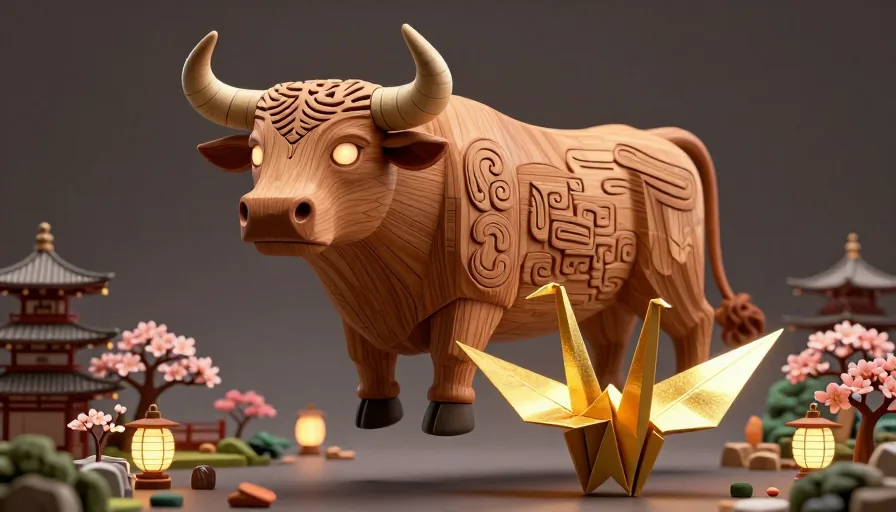
- Ushi (牛) - Ox: Symbolizes strength, reliability, and determination.
- Tora (虎) - Tiger: Embodies courage, confidence, and leadership.
- Usagi (兎) - Rabbit: Stands for kindness, elegance, and sensitivity.
- Tatsu (龍) - Dragon: Represents power, nobility, and good fortune.
- Hemi (蛇) - Snake: Symbolizes wisdom, intuition, and mystery.
- Uma (馬) - Horse: Embodies energy, independence, and adventure.
- Hitsuji (羊) - Goat: Stands for creativity, kindness, and compassion.
- Saru (猿) - Monkey: Represents intelligence, curiosity, and playfulness.
- Saru (猿) - Monkey: Represents intelligence, curiosity, and playfulness.
- Tori (鳥) - Rooster: Symbolizes honesty, loyalty, and hard work.
- Inu (犬) - Dog: Embodies loyalty, honesty, and protection.
Mini Drill: Match the Animal to Its Meaning
Try matching the following Japanese zodiac animals to their meanings:
- Tora
- Usagi
- Tatsu
A. Kindness, elegance, and sensitivity. B. Power, nobility, and good fortune. C. Courage, confidence, and leadership.

Learn Languages with YouTube
Watch videos in your target language, auto-capture words into flashcards, and track your progress — all in one place.
See How It Works →Cultural Significance: How the Zodiac Influences Japanese Traditions
The Japanese zodiac symbol plays a crucial role in various cultural practices, especially during New Year's celebrations. Understanding these traditions can enhance your language learning experience by providing real-world context.
New Year's Cards (Nengajo)
New Year's cards, or Nengajo (年賀状), are a traditional way to send greetings and well-wishes during the New Year. These cards often feature the zodiac animal of the upcoming year. For example, if the upcoming year is the Year of the Rat, you might see Nezumi (鼠) illustrations on Nengajo.
Fortune-Telling (Omikuji)
Fortune-telling, or Omikuji (おみくじ), is another popular tradition where people draw fortunes based on the zodiac animal of their birth year. This practice is often seen at shrines and temples, where visitors can draw a fortune slip and receive predictions for the year ahead.
Checklist: Essential Japanese Zodiac Vocabulary
To deepen your understanding of the Japanese zodiac symbol, learn the following vocabulary:
- Juunishi (十二支): The Japanese zodiac.
- Nengajo (年賀状): New Year's card.
- Omikuji (おみくじ): Fortune-telling slip.
- Eto (干支): Another term for the zodiac.
- Nezumi (鼠): Rat.
- Ushi (牛): Ox.
- Tora (虎): Tiger.
- Usagi (兎): Rabbit.
- Tatsu (龍): Dragon.
- Hemi (蛇): Snake.
- Uma (馬): Horse.
- Hitsuji (羊): Goat.
- Saru (猿): Monkey.
- Tori (鳥): Rooster.
- Inu (犬): Dog.
Mini Drill: Fill in the Blanks
Complete the following sentences with the correct Japanese zodiac vocabulary:
- The Japanese zodiac is also known as ______.
- During the New Year, people send ______ to their friends and family.
- At shrines, you can draw an ______ to see your fortune for the year.
- The animal for the Year of the Rat is ______.
Practical Examples: Using Zodiac Vocabulary in Conversation
Learning the Japanese zodiac symbol vocabulary can be practical in various situations. Here are some examples:
Example 1: Talking About Birth Years
Friend: What year were you born? You: I was born in the Year of the Tora (虎). Friend: Oh, that means you are courageous and confident!
Example 2: Sending New Year's Greetings
You: I received a beautiful Nengajo (年賀状) with a Nezumi (鼠) illustration. It's the Year of the Rat! Friend: That's great! The Rat is known for its intelligence and adaptability.
Example 3: Visiting a Shrine
You: Let's draw an Omikuji (おみくじ) to see our fortunes for the year. Friend: Sure! I hope it's a good one.
Common Mistakes to Avoid
When learning about the Japanese zodiac symbol, avoid these common mistakes:
- Confusing the Order: The order of the animals is fixed, so make sure to memorize it correctly.
- Mispronouncing Names: Practice the pronunciation of each animal's name to avoid misunderstandings.
- Ignoring Cultural Context: Understanding the cultural significance of the zodiac can enhance your language learning experience.
Conclusion
The Japanese zodiac symbol is a rich and meaningful aspect of Japanese culture that can greatly enhance your language learning journey. By understanding the 12 animals, their meanings, and cultural significance, you can deepen your connection to the language and its traditions. Use the vocabulary checklist and practical examples to practice and apply what you've learned.
FAQ
How does the Japanese zodiac symbol differ from the Western zodiac?
The Japanese zodiac symbol, or Juunishi, is based on a 12-year cycle of animals, while the Western zodiac is based on months. Each animal in the Japanese zodiac has unique characteristics and meanings deeply rooted in Japanese culture.
What are some common mistakes to avoid when learning about the Japanese zodiac?
Common mistakes include confusing the order of the animals, mispronouncing their names, and ignoring the cultural context. Make sure to memorize the order correctly, practice pronunciation, and understand the cultural significance.
Related phrases
Start with Metheus
Watch videos in your target language, auto-capture words into flashcards, and track your progress — all in one place.
Get Started →

