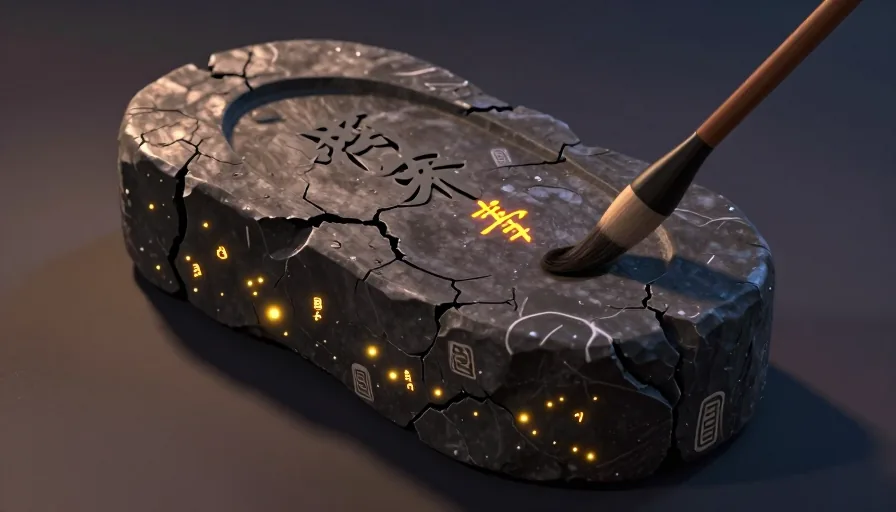
Japanese alphabets Kanji, along with Hiragana and Katakana, form the foundation of the Japanese writing system. Understanding these scripts is crucial for anyone looking to read and write in Japanese. This guide will help you grasp the differences between Kanji, Hiragana, and Katakana, and provide practical strategies for learning Kanji effectively.
Understanding the Japanese Writing System: Kanji, Hiragana, and Katakana
The Japanese writing system is unique because it combines three different scripts: Kanji, Hiragana, and Katakana. Each script serves a distinct purpose and understanding their roles is essential for mastering the language.
Kanji
Kanji are logographic characters borrowed from Chinese. They represent words or morphemes and are used to write a significant portion of the Japanese vocabulary. Kanji are essential for reading and writing in Japanese, as they convey the core meaning of words.
Hiragana
Hiragana is a syllabic script used to write native Japanese words, grammatical elements, and to provide furigana (pronunciation guides) for Kanji. It is often described as the 'curly' or 'round' script and is used in a variety of contexts, from casual writing to poetry.
Katakana
Katakana is another syllabic script, often used to write loanwords (words borrowed from other languages), onomatopoeia, and technical terms. It has a more angular appearance compared to Hiragana and is used to represent sounds that do not exist in the Japanese language.
Decoding Kanji: A Beginner's Guide to Structure and Reading
Learning Kanji can be challenging due to their complex structure and multiple readings. However, understanding their basic components can make the learning process more manageable.
Radicals
Radicals are the building blocks of Kanji. They are the basic elements that combine to form more complex characters. Learning radicals can help you recognize and remember Kanji more easily. For example, the radical '人' (hito) means 'person' and is a component in many Kanji related to people or humanity.
Readings
Kanji have multiple readings, including on-yomi (Chinese-derived readings) and kun-yomi (native Japanese readings). On-yomi is typically used for compound words, while kun-yomi is used for single words or words with native Japanese origins. For example, the Kanji '人' can be read as 'jin' (on-yomi) or 'hito' (kun-yomi).
Stroke Order
Learning the correct stroke order is crucial for writing Kanji accurately and efficiently. Each Kanji has a specific stroke order that should be followed to ensure proper formation. Practicing stroke order can also help reinforce memory and recognition of Kanji.
Mastering Kanji: Techniques for Memorization and Recognition
Memorizing Kanji requires a systematic approach and consistent practice. Here are some effective techniques to help you master Kanji:
Mnemonics
Creating mnemonics or visual associations can make Kanji more memorable. For example, you can associate the Kanji '山' (yama, meaning 'mountain') with a picture of a mountain to help remember its shape and meaning.
Spaced Repetition
Spaced repetition is a learning technique that involves reviewing information at increasing intervals. Flashcard apps like Anki can help you practice Kanji using spaced repetition, making it easier to retain information over time.
Writing Practice
Regular writing practice is essential for mastering Kanji. Write each Kanji multiple times, focusing on correct stroke order and formation. This will help reinforce memory and improve recognition.
Contextual Learning
Learning Kanji in context can make the process more engaging and meaningful. Try reading Japanese texts, watching Japanese movies, or listening to Japanese music to encounter Kanji in real-life situations.

Learn Languages with YouTube
Watch videos in your target language, auto-capture words into flashcards, and track your progress — all in one place.
See How It Works →Managing Cognitive Load When Learning Kanji
Learning Kanji can be cognitively demanding due to their complex structure and multiple readings. Here are some strategies to manage cognitive load and make the learning process more efficient:
Break Down Complex Characters
Break down complex Kanji into smaller, more manageable components. Focus on learning radicals and basic strokes before moving on to more complex characters.
Prioritize High-Frequency Kanji
Prioritize learning high-frequency Kanji that appear most often in Japanese texts. This will help you build a strong foundation and improve your reading and writing skills more quickly.
Use Visual Aids
Visual aids, such as diagrams and flashcards, can help reduce cognitive load by providing a visual reference for Kanji. Use visual aids to reinforce memory and recognition of Kanji.
Practical Examples and Checklists for Learning Kanji
Here are some practical examples and checklists to help you get started with learning Kanji:
Checklist for Learning a New Kanji
- Identify the radicals and basic strokes of the Kanji.
- Learn the on-yomi and kun-yomi readings.
- Practice writing the Kanji multiple times, focusing on correct stroke order.
- Create a mnemonic or visual association to help remember the Kanji.
- Use spaced repetition to review the Kanji at increasing intervals.
- Practice using the Kanji in context, such as in sentences or paragraphs.
Mini Drill: Writing Practice
Choose five Kanji and practice writing them multiple times, focusing on correct stroke order and formation. Here are five examples to get you started:
- 人 (hito, jin)
- 山 (yama)
- 火 (hi)
- 水 (mizu)
- 木 (ki)
Write each Kanji at least five times, focusing on accuracy and consistency. This will help reinforce memory and improve recognition.
Contextual Examples of When to Use Each Script
Understanding when to use each script is essential for effective communication in Japanese. Here are some contextual examples to illustrate the appropriate use of Kanji, Hiragana, and Katakana:
Using Kanji
Kanji are used to write a significant portion of the Japanese vocabulary, including nouns, verbs, and adjectives. For example, the word '人' (hito, jin) is used to write the word 'person' in Japanese.
Using Hiragana
Hiragana is used to write native Japanese words, grammatical elements, and to provide furigana (pronunciation guides) for Kanji. For example, the word 'は' (wa) is used to write the particle 'wa' in Japanese, which indicates the topic of a sentence.
Using Katakana
Katakana is used to write loanwords, onomatopoeia, and technical terms. For example, the word 'カフェ' (kafe) is used to write the word 'cafe' in Japanese, which is a loanword from English.
Conclusion
Mastering Japanese alphabets Kanji, along with Hiragana and Katakana, is essential for effective communication in Japanese. By understanding the differences between these scripts and using practical techniques for learning Kanji, you can build a strong foundation in the Japanese writing system. With consistent practice and dedication, you can achieve proficiency in reading and writing Japanese.
FAQ
Why are there so many Kanji characters to learn?
Kanji characters are derived from Chinese and represent a vast array of concepts and words. While it may seem overwhelming, focusing on high-frequency Kanji and using effective learning techniques can make the process more manageable. Start with the basics and gradually build your vocabulary.
How can I remember the different readings of Kanji?
Remembering the different readings of Kanji can be challenging, but using mnemonics, spaced repetition, and contextual learning can help. Practice reading Kanji in sentences and paragraphs to understand how different readings are used in context.
Is it necessary to learn all the Kanji characters?
While it's not necessary to learn all Kanji characters, mastering a significant number of high-frequency Kanji is essential for reading and writing in Japanese. Focus on learning the most commonly used Kanji to build a strong foundation in the language.
Related phrases
Start with Metheus
Watch videos in your target language, auto-capture words into flashcards, and track your progress — all in one place.
Get Started →

