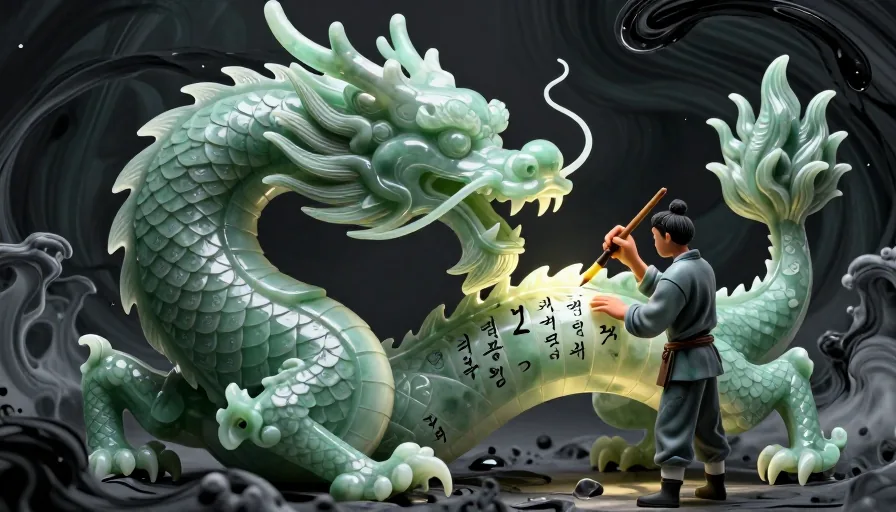
Korean quotation is a rich and nuanced aspect of the language that goes beyond simple translation. Understanding and using Korean quotes can greatly enhance your language skills and cultural awareness. This guide will provide you with a curated selection of Korean quotes, their meanings, and practical tips on how to use them in conversation or writing.
Understanding the Philosophy Behind Korean Quotes
Korean quotes often reflect the country's rich philosophical and cultural heritage. Confucianism, Buddhism, and traditional Korean values heavily influence these sayings. For example, many quotes emphasize the importance of family, respect for elders, and perseverance. Understanding these philosophical underpinnings can help you grasp the deeper meaning behind the quotes and use them more effectively.
Key Philosophical Concepts
- Confucianism: Emphasizes social order, respect for elders, and moral conduct.
- Buddhism: Focuses on mindfulness, compassion, and the impermanence of life.
- Traditional Values: Highlight the importance of family, community, and perseverance.
Top 10 Essential Korean Quotes for Daily Life
1. **사람이 죽으면 뼈만 남는다 (Saram-i jugeumyeon ppyeo-man namnunda)
Romanization: Saram-i jugeumyeon ppyeo-man namnunda Meaning: When a person dies, only bones remain. Context: This quote emphasizes the impermanence of life and the importance of living meaningfully. Usage: Use this quote in conversations about mortality or the importance of making the most of one's life.
2. **가난한 사람은 부자보다 더 행복하다 (Gananhan saram-eun buja-boda deo haengbokhada)
Romanization: Gananhan saram-eun buja-boda deo haengbokhada Meaning: A poor person is happier than a rich person. Context: This quote reflects the Buddhist philosophy of contentment and the idea that material wealth does not guarantee happiness. Usage: Use this quote in discussions about wealth and happiness, or to express the idea that true happiness comes from within.
3. **인내심은 모든 것을 이긴다 (Innaesimeun modeun geoseul iginda)
Romanization: Innaesimeun modeun geoseul iginda Meaning: Patience conquers all things. Context: This quote emphasizes the importance of perseverance and patience in overcoming challenges. Usage: Use this quote in conversations about overcoming obstacles or the importance of patience.
4. **사람은 누구나 한 번은 실수를 한다 (Saram-eun nuguna han beon-eun silsu-eul handa)
Romanization: Saram-eun nuguna han beon-eun silsu-eul handa Meaning: Everyone makes mistakes. Context: This quote reflects the idea that mistakes are a natural part of life and should be learned from rather than dwelled upon. Usage: Use this quote in conversations about making mistakes or the importance of learning from errors.
5. **가족은 모든 것을 이긴다 (Gajok-eun modeun geoseul iginda)
Romanization: Gajok-eun modeun geoseul iginda Meaning: Family conquers all things. Context: This quote highlights the importance of family and the support it provides in overcoming life's challenges. Usage: Use this quote in conversations about family, support, or overcoming adversity.
6. **사람은 누구나 한 번은 실수를 한다 (Saram-eun nuguna han beon-eun silsu-eul handa)
Romanization: Saram-eun nuguna han beon-eun silsu-eul handa Meaning: Everyone makes mistakes. Context: This quote reflects the idea that mistakes are a natural part of life and should be learned from rather than dwelled upon. Usage: Use this quote in conversations about making mistakes or the importance of learning from errors.
7. **가족은 모든 것을 이긴다 (Gajok-eun modeun geoseul iginda)
Romanization: Gajok-eun modeun geoseul iginda Meaning: Family conquers all things. Context: This quote highlights the importance of family and the support it provides in overcoming life's challenges. Usage: Use this quote in conversations about family, support, or overcoming adversity.
8. **사람은 누구나 한 번은 실수를 한다 (Saram-eun nuguna han beon-eun silsu-eul handa)
Romanization: Saram-eun nuguna han beon-eun silsu-eul handa Meaning: Everyone makes mistakes. Context: This quote reflects the idea that mistakes are a natural part of life and should be learned from rather than dwelled upon. Usage: Use this quote in conversations about making mistakes or the importance of learning from errors.
9. **가족은 모든 것을 이긴다 (Gajok-eun modeun geoseul iginda)
Romanization: Gajok-eun modeun geoseul iginda Meaning: Family conquers all things. Context: This quote highlights the importance of family and the support it provides in overcoming life's challenges. Usage: Use this quote in conversations about family, support, or overcoming adversity.
10. **사람은 누구나 한 번은 실수를 한다 (Saram-eun nuguna han beon-eun silsu-eul handa)
Romanization: Saram-eun nuguna han beon-eun silsu-eul handa Meaning: Everyone makes mistakes. Context: This quote reflects the idea that mistakes are a natural part of life and should be learned from rather than dwelled upon. Usage: Use this quote in conversations about making mistakes or the importance of learning from errors.

Learn Languages with YouTube
Watch videos in your target language, auto-capture words into flashcards, and track your progress — all in one place.
See How It Works →How to Use Korean Quotes in Conversation
Using Korean quotes in conversation can add depth and cultural richness to your interactions. Here are some practical tips and examples:
Practical Tips
- Context Matters: Always consider the context in which you are using the quote. Some quotes may be more appropriate in formal settings, while others can be used in casual conversations.
- Pronunciation: Practice the pronunciation of the quotes to ensure you are saying them correctly. This will help you sound more natural and confident.
- Cultural Sensitivity: Be mindful of the cultural nuances behind the quotes. Using them appropriately can show respect for the language and culture.
Interactive Drills
- Use this quote in a sentence: Try to incorporate the quotes into your own sentences. For example, you could say, "When I think about the impermanence of life, I remember the quote '사람이 죽으면 뼈만 남는다' (Saram-i jugeumyeon ppyeo-man namnunda)."
- Role-Play: Practice using the quotes in role-play scenarios. For example, imagine you are talking to a friend about overcoming a challenge and use the quote '인내심은 모든 것을 이긴다' (Innaesimeun modeun geoseul iginda).
- Reflection: Reflect on the meaning of the quotes and how they apply to your own life. This can help you internalize the quotes and use them more naturally in conversation.
Cultural Deep-Dive: The Philosophy Behind Korean Sayings
Korean sayings often reflect the country's rich philosophical and cultural heritage. Understanding these philosophical underpinnings can help you grasp the deeper meaning behind the quotes and use them more effectively.
Confucianism and Korean Quotes
Confucianism has had a profound influence on Korean culture and language. Many Korean quotes emphasize the importance of social order, respect for elders, and moral conduct. For example, the quote '가족은 모든 것을 이긴다' (Gajok-eun modeun geoseul iginda) reflects the Confucian value of family and community.
Buddhism and Korean Quotes
Buddhism has also played a significant role in shaping Korean culture and language. Many Korean quotes reflect Buddhist principles such as mindfulness, compassion, and the impermanence of life. For example, the quote '가난한 사람은 부자보다 더 행복하다' (Gananhan saram-eun buja-boda deo haengbokhada) reflects the Buddhist idea that material wealth does not guarantee happiness.
Traditional Values and Korean Quotes
Traditional Korean values emphasize the importance of family, community, and perseverance. Many Korean quotes reflect these values and can be used to express these ideas in conversation. For example, the quote '사람은 누구나 한 번은 실수를 한다' (Saram-eun nuguna han beon-eun silsu-eul handa) reflects the traditional Korean value of learning from mistakes.
Checklist for Effective Use of Korean Quotes
- Learn the Meaning: Understand the literal and cultural meaning of the quote.
- Practice Pronunciation: Ensure you can pronounce the quote correctly.
- Contextualize: Know when and where to use the quote appropriately.
- Reflect: Think about how the quote applies to your own life and experiences.
- Practice: Use the quote in conversations and writing to become more comfortable with it.
Common Mistakes to Avoid
- Mispronunciation: Incorrect pronunciation can change the meaning of the quote and make you sound unnatural.
- Inappropriate Context: Using a quote in the wrong context can be confusing or offensive.
- Overuse: Using too many quotes in a single conversation can make you sound insincere or pretentious.
- Lack of Understanding: Using a quote without understanding its meaning can lead to misunderstandings and miscommunication.
Mini Drills for Practice
- Fill in the Blank: Complete the following sentence with the appropriate quote: "When I think about the importance of family, I remember the quote _______________."
- Translate and Use: Translate the following quote into English and use it in a sentence: '사람은 누구나 한 번은 실수를 한다' (Saram-eun nuguna han beon-eun silsu-eul handa).
- Role-Play: Practice using the quotes in role-play scenarios. For example, imagine you are talking to a friend about overcoming a challenge and use the quote '인내심은 모든 것을 이긴다' (Innaesimeun modeun geoseul iginda).
Conclusion
Mastering Korean quotation involves more than just memorizing phrases. It requires understanding the cultural and philosophical context behind the quotes and knowing how to use them appropriately in conversation. By following the tips and examples provided in this guide, you can enhance your language skills and cultural awareness, making your interactions with Korean speakers more meaningful and authentic.
FAQ
Why is it important to understand the cultural context of Korean quotes?
Understanding the cultural context of Korean quotes helps you use them appropriately and avoid misunderstandings. It also enriches your language learning experience by providing deeper insights into Korean philosophy and values.
How can I practice using Korean quotes in conversation?
You can practice using Korean quotes in conversation by incorporating them into your own sentences, role-playing scenarios, and reflecting on their meanings. This will help you internalize the quotes and use them more naturally.
What are some common mistakes to avoid when using Korean quotes?
Common mistakes to avoid include mispronunciation, using quotes in the wrong context, overusing quotes, and using quotes without understanding their meaning. Always ensure you are using the quotes appropriately and with the correct pronunciation.
Related phrases
Start with Metheus
Watch videos in your target language, auto-capture words into flashcards, and track your progress — all in one place.
Get Started →

