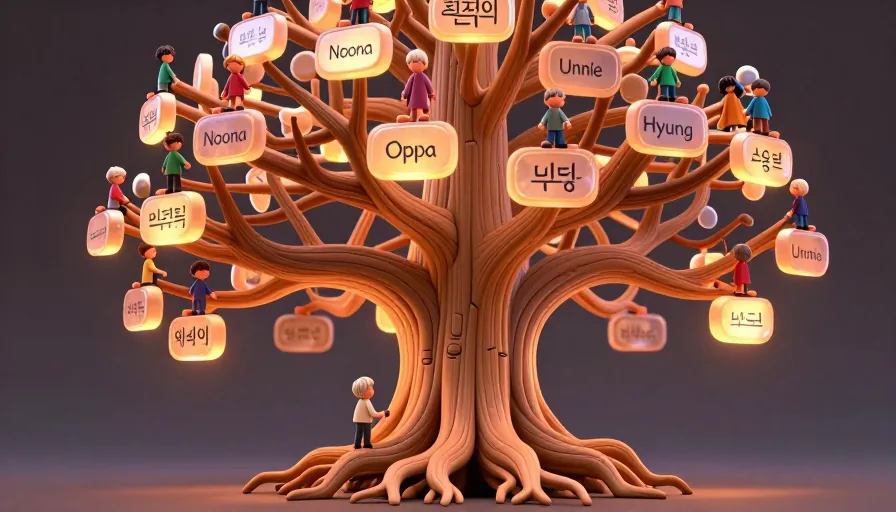
Understanding the nuances of Korean honorifics is crucial for effective communication and showing respect in Korean culture. This guide will help you grasp the meaning and usage of 'noona' in Korean, along with other essential terms like oppa, hyung, and unnie. By the end, you'll know exactly when and how to use these titles respectfully.
Oppa, Hyung, Noona, Unnie: A Complete Guide to Korean Relationship Titles
In Korean, relationship titles are used to address individuals based on their age, gender, and relationship to the speaker. These titles are not just about vocabulary; they reflect the social hierarchy and etiquette of Korean culture. Let's break down each term:
- Oppa (오빠): Used by females to address or refer to older brothers or older male friends.
- Hyung (형): Used by males to address or refer to older brothers or older male friends.
- Noona (누나): Used by males to address or refer to older sisters or older female friends.
- Unnie (언니): Used by females to address or refer to older sisters or older female friends.
Understanding the Nuances: Age, Gender, and Relationship Dynamics
Age and Gender
Korean honorifics are deeply tied to age and gender. Here's a simple breakdown:
- Oppa and Hyung: Both are used to address older males, but the choice depends on the speaker's gender. Females use 'oppa,' while males use 'hyung.'
- Noona and Unnie: Similarly, both are used to address older females, with males using 'noona' and females using 'unnie.'
Relationship Dynamics
The use of these titles also depends on the relationship between the speaker and the person being addressed. For example, a female might call her older brother 'oppa,' but she would call her older female friend 'unnie.'
Korean Etiquette: How to Use These Titles Respectfully
Using these titles respectfully is about more than just knowing the definitions. It's about understanding the social dynamics and etiquette of Korean culture. Here are some practical tips:
When to Use Each Title
- Oppa: A female might call her older brother 'oppa' or use it to address an older male friend. It's a term of endearment and respect.
- Hyung: A male might call his older brother 'hyung' or use it to address an older male friend. It's a term of respect and camaraderie.
- Noona: A male might call his older sister 'noona' or use it to address an older female friend. It's a term of respect and affection.
- Unnie: A female might call her older sister 'unnie' or use it to address an older female friend. It's a term of respect and affection.
Common Mistakes to Avoid
- Avoid using these titles with strangers: These titles are reserved for people you have a personal relationship with.
- Don't use them interchangeably: Each title has a specific meaning and usage. Using them incorrectly can cause confusion or offense.
- Be mindful of the context: The use of these titles can vary depending on the situation and the relationship between the speaker and the listener.

Learn Languages with YouTube
Watch videos in your target language, auto-capture words into flashcards, and track your progress — all in one place.
See How It Works →Distinctions Between Similar Terms
Oppa vs. Hyung
- Oppa is used by females to address older males, while hyung is used by males to address older males.
- Oppa is often used in a more affectionate or endearing context, while hyung is more neutral and respectful.
Noona vs. Unnie
- Noona is used by males to address older females, while unnie is used by females to address older females.
- Noona can be used in a more affectionate or endearing context, while unnie is more neutral and respectful.
Practical Examples and Checklist
Example Scenarios
- A female addressing her older brother: She would say 'oppa.'
- A male addressing his older sister: He would say 'noona.'
- A female addressing her older female friend: She would say 'unnie.'
- A male addressing his older male friend: He would say 'hyung.'
Checklist for Using Korean Honorifics
- Understand the age and gender of the person you are addressing.
- Determine your relationship with the person.
- Choose the appropriate title based on the above factors.
- Use the title respectfully and in the correct context.
Mini Drills
-
Translate the following into Korean using the appropriate honorifics:
- My older brother is coming to visit.
- My older sister is getting married.
- My older male friend is coming to dinner.
- My older female friend is coming to dinner.
-
Role-play scenarios: Practice using these titles in different scenarios with a language partner or tutor.
Conclusion
Mastering the use of 'noona' in Korean and other honorifics is essential for effective communication and showing respect in Korean culture. By understanding the nuances of age, gender, and relationship dynamics, you can use these titles respectfully and appropriately. Practice with real-life scenarios and role-playing to build your confidence and fluency.
FAQ
Can I use 'noona' to address any older female?
No, 'noona' is typically used by males to address older female friends or sisters. It's important to use the correct title based on your relationship and the context.
What if I'm not sure which title to use?
If you're unsure, it's better to use a more formal or neutral term until you're more familiar with the person and the context. Asking a Korean friend or language partner for advice can also be helpful.
Can I use these titles with strangers?
No, these titles are reserved for people you have a personal relationship with. Using them with strangers can be seen as inappropriate or disrespectful.
Related phrases
Start with Metheus
Watch videos in your target language, auto-capture words into flashcards, and track your progress — all in one place.
Get Started →

