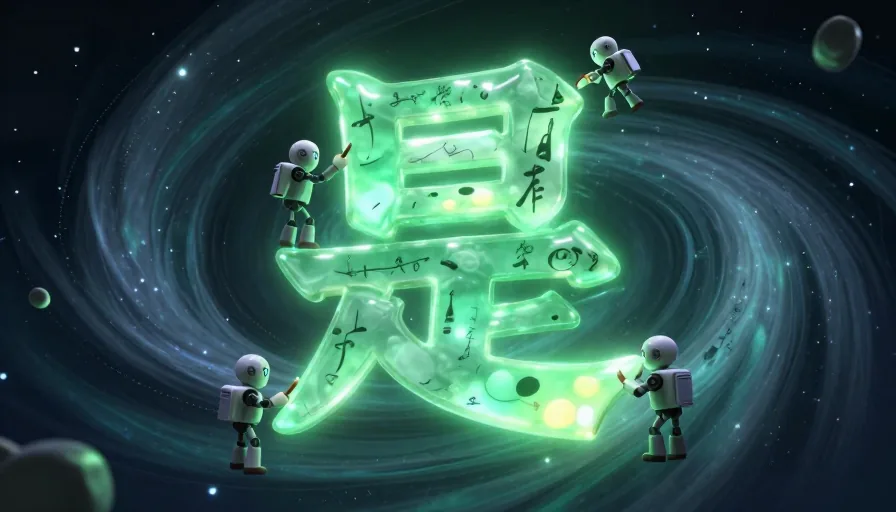
Learning the Chinese character 是 (shì) is essential for beginners as it is one of the most commonly used characters in the language. This guide will help you understand the character breakdown, pronunciation, core meaning, and common usage examples. We will also provide interactive pronunciation practice and contextual examples to enhance your learning experience.
Understanding the Character 是 (shì)
The character 是 (shì) is composed of three parts: 形 (shape), 音 (sound), and 义 (meaning). Understanding these components will help you remember and use the character correctly.
- 形 (Shape): The character consists of the radical 日 (rì), which means 'sun,' and the character 正 (zhèng), which means 'correct' or 'upright.' The combination suggests the idea of something being true or correct under the sun.
- 音 (Sound): The pronunciation of 是 (shì) is straightforward. It is pronounced as 'shì' with the fourth tone, which is a falling tone.
- 义 (Meaning): The core meaning of 是 (shì) is 'to be' or 'yes.' It is used to affirm the existence or correctness of something.
Pronunciation Guide: How to Say 'shì' Correctly
Pronouncing 是 (shì) correctly is crucial for effective communication. Here is a step-by-step guide to help you master the pronunciation:
- Tone: The character 是 (shì) is pronounced with the fourth tone, which is a falling tone. Practice saying 'shì' with a clear falling intonation.
- Interactive Practice: Listen to native speaker audio and repeat the pronunciation. Use language learning apps or online resources that offer interactive pronunciation practice.
- Common Mistakes: Avoid common mistakes such as pronouncing it with the wrong tone or confusing it with similar-sounding characters like 事 (shì) or 世 (shì).
Common Uses and Sentence Structures with 是
The character 是 (shì) is versatile and can be used in various sentence structures. Here are some common usages and examples:
- Affirmation: 是 (shì) is used to affirm the existence or correctness of something. For example:
- 这是一本书。 (Zhè shì yī běn shū.) This is a book.
- 他是我的朋友。 (Tā shì wǒ de péngyǒu.) He is my friend.
- Question and Answer: 是 (shì) can be used in questions and answers. For example:
- 你是学生吗? (Nǐ shì xuéshēng ma?) Are you a student?
- 是。 (Shì.) Yes.
- Comparison: 是 (shì) can be used in comparisons to indicate similarity or difference. For example:
- 这是我的书,那是你的书。 (Zhè shì wǒ de shū, nà shì nǐ de shū.) This is my book, that is your book.
- Possessive: 是 (shì) can be used to indicate possession. For example:
- 这是我的车。 (Zhè shì wǒ de chē.) This is my car.

Learn Languages with YouTube
Watch videos in your target language, auto-capture words into flashcards, and track your progress — all in one place.
See How It Works →Contextual Examples and Mini Drills
To reinforce your understanding, here are some contextual examples and mini drills:
- Example Sentences:
- 这是我的家。 (Zhè shì wǒ de jiā.) This is my home.
- 她是医生。 (Tā shì yīshēng.) She is a doctor.
- 这是我的书。 (Zhè shì wǒ de shū.) This is my book.
- Mini Drill: Fill in the blanks with 是 (shì):
- 这是_____的书。 (Zhè shì _____ de shū.) This is _____'s book.
- 她_____医生。 (Tā _____ yīshēng.) She is a doctor.
- 这是_____的家。 (Zhè shì _____ de jiā.) This is _____'s home.
Comparison with Similar-Sounding Characters
To avoid confusion, it's important to compare 是 (shì) with similar-sounding characters:
- 事 (shì): This character means 'matter' or 'thing.' It is pronounced with the fourth tone but has a different meaning and usage.
- 世 (shì): This character means 'world' or 'generation.' It is also pronounced with the fourth tone but has a different meaning and usage.
Checklist for Mastering 是 (shì)
Here is a checklist to help you master the character 是 (shì):
- Understand the character breakdown (形, 音, 义).
- Practice the pronunciation with the correct tone.
- Learn common sentence structures and usage examples.
- Complete mini drills and contextual exercises.
- Compare with similar-sounding characters to avoid confusion.
Related Characters or Common Phrases Using 是
Here are some related characters and common phrases that use 是 (shì):
- 是否 (shìfǒu): This phrase means 'whether' or 'if.' For example:
- 你是否愿意帮忙? (Nǐ shìfǒu yuànyì bāngmáng?) Will you help?
- 是...的 (shì...de): This structure is used to indicate possession or description. For example:
- 这是我的书。 (Zhè shì wǒ de shū.) This is my book.
- 她是医生。 (Tā shì yīshēng.) She is a doctor.
- 是...吗 (shì...ma): This structure is used to form yes/no questions. For example:
- 你是学生吗? (Nǐ shì xuéshēng ma?) Are you a student?
By following this comprehensive guide, you will be able to master the character 是 (shì) and use it confidently in your Chinese language learning journey.
FAQ
How do I remember the pronunciation of 是 (shì)?
To remember the pronunciation of 是 (shì), focus on the fourth tone, which is a falling tone. Practice listening to native speaker audio and repeat the pronunciation. Use language learning apps or online resources that offer interactive pronunciation practice to reinforce your learning.
What are some common mistakes to avoid when using 是 (shì)?
Common mistakes include pronouncing 是 (shì) with the wrong tone or confusing it with similar-sounding characters like 事 (shì) or 世 (shì). To avoid these mistakes, practice the correct pronunciation and compare 是 (shì) with similar characters to understand their differences in meaning and usage.
Related phrases
Start with Metheus
Watch videos in your target language, auto-capture words into flashcards, and track your progress — all in one place.
Get Started →

