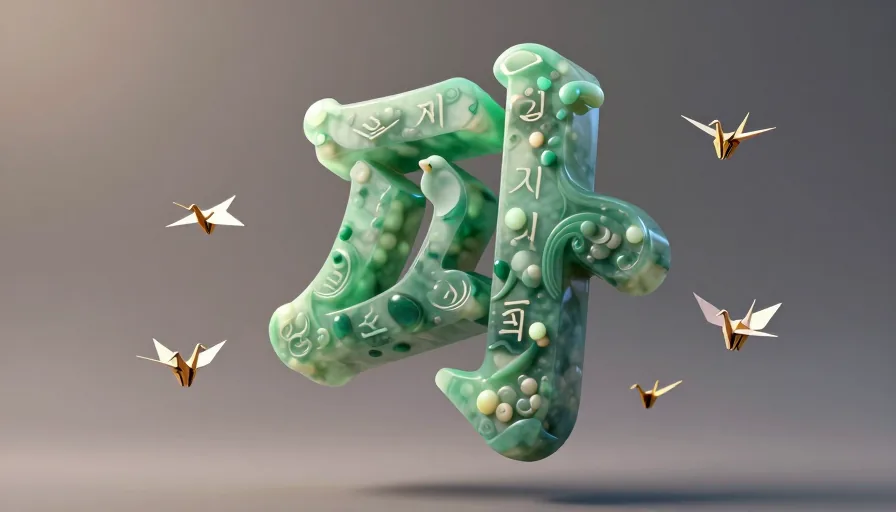
The Korean Hangul alphabet is the foundation of the Korean language, and mastering it is the first step to becoming proficient in Korean. This guide will help you learn Hangul quickly and effectively, focusing on immediate readability. By the end of this guide, you'll be able to read basic Korean syllables with confidence.
What is Hangul? The Foundation of the Korean Language
Hangul, also known as Hangeul, is the official writing system of both North and South Korea. It was created in the 15th century by King Sejong the Great with the goal of promoting literacy among the common people. Hangul is an alphabetic script consisting of 24 basic letters, including 14 consonants and 10 vowels. Unlike many other Asian languages, Hangul is designed to be simple and easy to learn, making it an ideal starting point for language learners.
The Historical Context and Cultural Significance of Hangul
Hangul was created to replace the complex Chinese characters that were previously used to write Korean. The creation of Hangul is considered one of the most significant events in Korean history, as it allowed for the widespread dissemination of knowledge and culture. Today, Hangul is celebrated as a symbol of Korean identity and cultural heritage.
Mastering the Basic Vowels and Consonants
Korean Consonants
Korean consonants are relatively straightforward to learn. Here are the basic consonants along with their pronunciations and examples:
| Hangul | Pronunciation | Example Word | English Translation |
|---|---|---|---|
| ㄱ | /k/ | 가 /ga/ | house |
| ㄴ | /n/ | 나 /na/ | I |
| ㄷ | /t/ | 다 /da/ | rice field |
| ㄹ | /r/ | 라 /ra/ | to go |
| ㅁ | /m/ | 마 /ma/ | horse |
| ㅂ | /p/ | 바 /ba/ | field |
| ㅅ | /s/ | 사 /sa/ | four |
| ㅇ | /ŋ/ | 아 /a/ | ah (sound) |
| ㅈ | /tɕ/ | 자 /ja/ | self |
| ㅊ | /tɕʰ/ | 차 /tɕʰa/ | tea |
| ㅋ | /kʰ/ | 카 /kʰa/ | car |
| ㅌ | /tʰ/ | 타 /tʰa/ | to hit |
| ㅍ | /pʰ/ | 파 /pʰa/ | father |
| ㅎ | /h/ | 하 /ha/ | to laugh |
Korean Vowels
Korean vowels are also simple to learn. Here are the basic vowels along with their pronunciations and examples:
| Hangul | Pronunciation | Example Word | English Translation |
|---|---|---|---|
| ㅏ | /a/ | 아 /a/ | ah (sound) |
| ㅑ | /ja/ | 야 /ja/ | self |
| ㅓ | /ʌ/ | 어 /ʌ/ | oh (sound) |
| ㅕ | /jʌ/ | 여 /jʌ/ | girl |
| ㅗ | /o/ | 오 /o/ | oh (sound) |
| ㅛ | /jo/ | 요 /jo/ | oh (sound) |
| ㅜ | /u/ | 우 /u/ | oh (sound) |
| ㅠ | /ju/ | 유 /ju/ | oh (sound) |
| ㅡ | /ʌ/ | 으 /ʌ/ | oh (sound) |
| ㅣ | /i/ | 이 /i/ | two |
Mini Drill: Practice Pronunciation
Before moving on, take a few minutes to practice pronouncing each consonant and vowel aloud. Listen to native speakers if possible, and try to mimic their pronunciation as closely as possible. This will help you build a strong foundation for reading and speaking Korean.

Learn Languages with YouTube
Watch videos in your target language, auto-capture words into flashcards, and track your progress — all in one place.
See How It Works →Putting It Together: Reading Your First Korean Syllables
Basic Syllable Structure
Korean syllables are typically structured as follows: consonant-vowel-consonant (CVC). However, not all syllables follow this pattern. Some syllables may have only a vowel (V) or a consonant-vowel (CV) structure. Here are some examples:
| Syllable | Pronunciation | English Translation |
|---|---|---|
| 가 /ga/ | /ga/ | house |
| 나 /na/ | /na/ | I |
| 다 /da/ | /da/ | rice field |
| 라 /ra/ | /ra/ | to go |
| 마 /ma/ | /ma/ | horse |
| 바 /ba/ | /ba/ | field |
| 사 /sa/ | /sa/ | four |
| 아 /a/ | /a/ | ah (sound) |
| 자 /ja/ | /ja/ | self |
| 차 /tɕʰa/ | /tɕʰa/ | tea |
| 카 /kʰa/ | /kʰa/ | car |
| 타 /tʰa/ | /tʰa/ | to hit |
| 파 /pʰa/ | /pʰa/ | father |
| 하 /ha/ | /ha/ | to laugh |
Reading Practice
Now that you know the basic structure of Korean syllables, it's time to start reading. Here are some simple words and phrases to practice:
| Word/Phrase | Pronunciation | English Translation |
|---|---|---|
| 안녕하세요 /annyeonghaseyo/ | /annjʌŋhasejo/ | hello |
| 감사합니다 /gamsahamnida/ | /gamsʌhamnida/ | thank you |
| 잘자요 /jaljayo/ | /tɕʌlʤajo/ | good night |
| 사랑해요 /saranghaeyo/ | /sʌraŋhʌjo/ | I love you |
| 미안해요 /mianhaeyo/ | /mianhʌjo/ | I'm sorry |
Checklist: Reading Korean Syllables
Before moving on to more advanced topics, make sure you can do the following:
- Pronounce each consonant and vowel correctly.
- Read basic Korean syllables with confidence.
- Understand the basic structure of Korean syllables (CVC, CV, V).
- Read simple Korean words and phrases aloud.
A Quick Learning Path: The 'Learn in an Hour' Challenge
To help you stay motivated and track your progress, here's a quick learning path to mastering Hangul in under an hour:
- 0-10 minutes: Learn the basic consonants and vowels.
- 10-20 minutes: Practice pronouncing each letter aloud.
- 20-30 minutes: Learn the basic syllable structure (CVC, CV, V).
- 30-40 minutes: Practice reading simple words and phrases.
- 40-60 minutes: Review and reinforce what you've learned.
Game Mechanics: Hangul Bingo
To make learning Hangul even more engaging, try playing Hangul Bingo. Here's how to play:
- Create a 5x5 bingo card with Hangul letters (consonants and vowels) in each square.
- Call out the pronunciation of a letter in English.
- Players mark the corresponding Hangul letter on their bingo card.
- The first player to get a line (horizontal, vertical, or diagonal) shouts 'Bingo!' and wins.
You can play this game with friends or family, or even by yourself to reinforce what you've learned.
Common Mistakes to Avoid
When learning Hangul, it's easy to make mistakes. Here are some common pitfalls to avoid:
- Not practicing pronunciation: Korean has unique sounds that may not exist in your native language. Make sure to practice pronunciation regularly to avoid developing bad habits.
- Skipping the basics: Don't rush through the basic consonants and vowels. A strong foundation is essential for reading and speaking Korean.
- Not reviewing: Regular review is key to reinforcing what you've learned. Make sure to set aside time each day to review Hangul.
Conclusion
Mastering the Korean Hangul alphabet is the first step to becoming proficient in Korean. With this guide, you've learned the basics of Hangul, including consonants, vowels, and reading syllables. Keep practicing and reviewing, and you'll be well on your way to reading and speaking Korean with confidence.
Next Steps
Now that you've mastered the basics of Hangul, it's time to take your Korean language skills to the next level. Here are some next steps to consider:
- Learn basic Korean grammar: Understanding Korean grammar is essential for constructing sentences and communicating effectively.
- Expand your vocabulary: The more words you know, the better you'll be able to express yourself in Korean.
- Practice speaking: Find language exchange partners or take Korean language classes to practice speaking with native speakers.
- Immerse yourself in Korean culture: Watch Korean movies, listen to Korean music, and read Korean books to deepen your understanding and appreciation of the language and culture.
By following these steps and continuing to practice, you'll be well on your way to mastering the Korean language.
FAQ
Is Hangul difficult to learn?
No, Hangul is designed to be simple and easy to learn. With practice, you can master the basics of Hangul in under an hour. The key is to focus on pronunciation and regular review.
Do I need to learn Chinese characters to read Korean?
No, Hangul is the official writing system of Korean and does not use Chinese characters. Learning Hangul is the first step to reading and writing in Korean.
How can I practice Hangul effectively?
Practice Hangul effectively by focusing on pronunciation, regular review, and engaging in interactive activities like Hangul Bingo. Additionally, try to incorporate Hangul practice into your daily routine.
Related phrases
Start with Metheus
Watch videos in your target language, auto-capture words into flashcards, and track your progress — all in one place.
Get Started →

