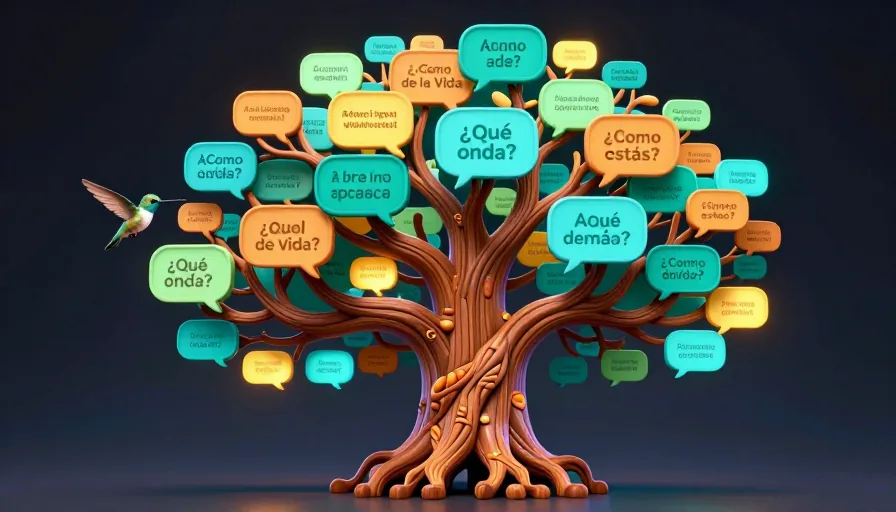
Learning how to say 'hello in Mexican' is more than just memorizing words; it's about understanding the cultural context and nuances that make Mexican greetings unique. This guide will equip you with the essential phrases, cultural insights, and practical tips to help you greet like a local.
The Essential Ways to Say 'Hello' in Mexico
In Mexico, greetings are more than just a simple 'hello'. They are a way to connect and show respect. Here are some of the most common ways to say 'hello in Mexican':
Formal Greetings
- Buenos días - Good morning
- Buenas tardes - Good afternoon
- Buenas noches - Good evening/night
Informal Greetings
- Hola - Hi
- ¿Qué onda? - What's up? (literally 'What's the wave?')
- ¿Cómo estás? - How are you?
Regional Variations
In some regions, you might hear:
- ¿Mande? - What? (used to get someone's attention)
- ¿Qué hubo? - What's up? (common in Central Mexico)
Cultural Nuances: How Greetings Shape Mexican Interactions
Greetings in Mexico are often followed by questions about how the other person is doing. This is a way to show genuine interest and build rapport. For example:
- ¿Cómo estás? - How are you?
- ¿Qué tal? - How's it going?
- ¿Qué hubo? - What's up?
Common Mistakes to Avoid
- Avoid using 'Hola' in formal settings: It's too informal for professional or formal situations.
- Don't rush through greetings: Mexicans value taking the time to greet properly.
- Avoid skipping the follow-up question: It's considered rude to ask '¿Cómo estás?' and then not wait for a response.
Beyond 'Hola': Common Mexican Greetings and Phrases
Slang and Informal Phrases
- ¿Qué onda, güey? - What's up, dude? (güey is a friendly term for 'dude' or 'man')
- ¿Qué pedo? - What's up? (literally 'What's the fart?', but used casually)
- ¿Qué hay? - What's up? (literally 'What is there?')
Formal Phrases
- ¿Cómo le va? - How are you? (formal)
- ¿En qué le puedo servir? - How can I help you? (formal)
- ¿Cómo está usted? - How are you? (very formal)

Learn Languages with YouTube
Watch videos in your target language, auto-capture words into flashcards, and track your progress — all in one place.
See How It Works →Pronunciation Tips Specific to Mexican Accents
Pronunciation can vary greatly across Mexico. Here are some tips to help you sound more like a local:
- Roll your Rs: Mexicans tend to roll their Rs more than in other Spanish-speaking countries.
- Soften your Ss: In some regions, the 's' sound is softened, almost like a 'th' sound.
- Practice common phrases: Listen to native speakers and mimic their pronunciation.
Mini Drill: Pronunciation Practice
- Listen to a native speaker say 'Buenos días'.
- Repeat the phrase, focusing on the rolled 'r' and soft 's'.
- Record yourself and compare.
Formal vs. Informal Greetings: When to Use Each
Formal Greetings
Use formal greetings in professional settings, with elders, or when addressing someone you've just met. Examples include:
- Buenos días
- ¿Cómo está usted?
- ¿En qué le puedo servir?
Informal Greetings
Use informal greetings with friends, family, or in casual settings. Examples include:
- Hola
- ¿Qué onda?
- ¿Qué hubo?
Checklist: Choosing the Right Greeting
- Consider the setting (formal vs. informal)
- Consider your relationship with the person
- Consider the time of day
- Consider regional variations
Practical Examples and Conversation Starters
Example 1: Greeting a Friend
You: ¿Qué onda, güey? Friend: ¿Qué onda? ¿Cómo estás? You: Bien, gracias. ¿Y tú?
Example 2: Greeting a Stranger
You: Buenos días. ¿Cómo está? Stranger: Buenos días. Estoy bien, gracias. ¿Y usted? You: Estoy bien, gracias.
Example 3: Greeting a Colleague
You: Buenos días. ¿Cómo le va? Colleague: Buenos días. Estoy bien, gracias. ¿Y usted? You: Estoy bien, gracias.
Conclusion
Mastering 'hello in Mexican' involves more than just learning phrases; it's about understanding the cultural context and nuances. By following this guide, you'll be well on your way to greeting like a local and building meaningful connections in Mexico.
Mini Drill: Practice Your Greetings
- Write down five different ways to say 'hello in Mexican'.
- Practice each phrase with a friend or language partner.
- Record yourself and listen for areas of improvement.
By incorporating these greetings into your daily interactions, you'll not only improve your Spanish but also gain a deeper understanding of Mexican culture.
FAQ
Is 'Hola' the only way to say 'hello in Mexican'?
No, 'Hola' is just one of many ways to say 'hello in Mexican'. Other common greetings include 'Buenos días', 'Buenas tardes', '¿Qué onda?', and '¿Cómo estás?'. The choice of greeting depends on the context, time of day, and your relationship with the person.
Can I use informal greetings in formal settings?
It's generally best to use formal greetings in professional or formal settings. Informal greetings like 'Hola' or '¿Qué onda?' are more suitable for casual or friendly interactions. Using informal greetings in formal settings can come across as disrespectful or unprofessional.
How important is pronunciation when greeting in Mexican Spanish?
Pronunciation is very important in Mexican Spanish, as it can affect how well you're understood and how native speakers perceive you. Pay attention to rolling your Rs, softening your Ss, and practicing common phrases to sound more like a local.
Related phrases
Start with Metheus
Watch videos in your target language, auto-capture words into flashcards, and track your progress — all in one place.
Get Started →

