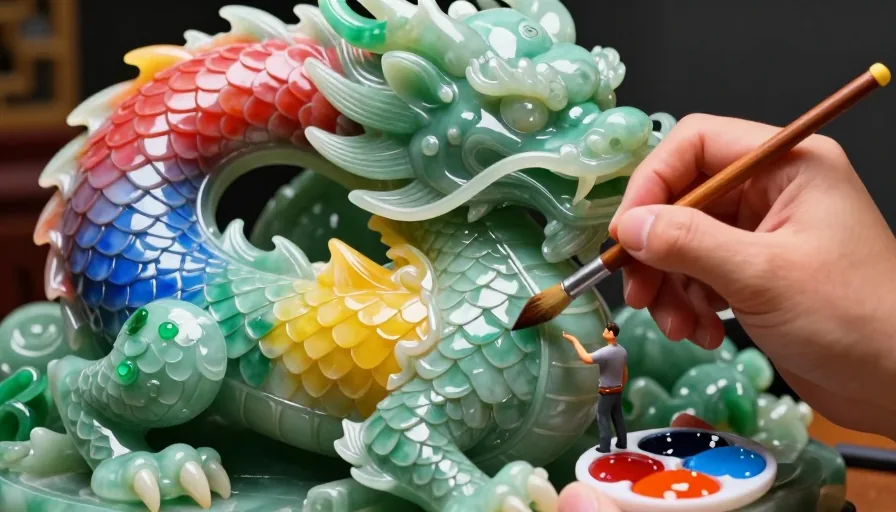
Learning mandarin colors is a fundamental step in mastering the Chinese language. This guide provides a visual, easy-to-reference format focusing on practical vocabulary for beginners and intermediate learners. Whether you're describing objects, expressing preferences, or navigating daily conversations, understanding colors in Mandarin is essential.
Essential Basic Colors in Mandarin
Start with the basics. Here are the key Mandarin colors you need to know:
| Color | Pinyin | Characters | English |
|---|---|---|---|
| Red | hóng | 红 | Red |
| Yellow | huáng | 黄 | Yellow |
| Blue | lán | 蓝 | Blue |
| Green | lǜ | 绿 | Green |
| Black | hēi | 黑 | Black |
| White | bái | 白 | White |
| Orange | chéng | 橙 | Orange |
| Purple | zǐ | 紫 | Purple |
| Pink | fēn | 粉 | Pink |
| Brown | zōng | 褐 | Brown |
| Gray | huī | 灰 | Gray |
Pinyin and Characters
Each color is listed with its Pinyin and Chinese characters. Pinyin is the official romanization system for Standard Chinese, making it easier to pronounce the words correctly. The characters provide a visual reference for writing and recognizing the colors.
Practical Examples
- Red: 这是一辆红色的车。(Zhè shì yī liàng hóngsè de chē.) This is a red car.
- Yellow: 她喜欢黄色的花。(Tā xǐhuān huángsè de huā.) She likes yellow flowers.
- Blue: 天空是蓝色的。(Tiānkōng shì lánsè de.) The sky is blue.
- Green: 他的眼睛是绿色的。(Tā de yǎnjīng shì lǜsè de.) His eyes are green.
Using Colors in Simple Sentences
Colors are often used to describe objects, express preferences, and make comparisons. Here are some practical examples:
- Describing Objects: 这是一只蓝色的笔。(Zhè shì yī zhī lánsè de bǐ.) This is a blue pen.
- Expressing Preferences: 我喜欢白色的衣服。(Wǒ xǐhuān báisè de yīfú.) I like white clothes.
- Making Comparisons: 这个苹果比那个苹果红。(Zhè ge píngguǒ bǐ nà ge píngguǒ hóng.) This apple is redder than that apple.
Common Mistakes to Avoid
- Confusing Similar Sounds: Be careful not to confuse similar-sounding Pinyin, such as hóng (红) and hóng (红).
- Incorrect Tone: Mandarin is a tonal language, so using the wrong tone can change the meaning of a word. Practice the tones to avoid mistakes.

Learn Languages with YouTube
Watch videos in your target language, auto-capture words into flashcards, and track your progress — all in one place.
See How It Works →Color Vocabulary Cheat Sheet
Here's a quick reference cheat sheet for the essential Mandarin colors:
| Color | Pinyin | Characters | English |
|---|---|---|---|
| Red | hóng | 红 | Red |
| Yellow | huáng | 黄 | Yellow |
| Blue | lán | 蓝 | Blue |
| Green | lǜ | 绿 | Green |
| Black | hēi | 黑 | Black |
| White | bái | 白 | White |
| Orange | chéng | 橙 | Orange |
| Purple | zǐ | 紫 | Purple |
| Pink | fēn | 粉 | Pink |
| Brown | zōng | 褐 | Brown |
| Gray | huī | 灰 | Gray |
Mini Drill: Fill in the Blanks
Practice using the colors in sentences by filling in the blanks:
- 这是一只______的猫。(Zhè shì yī zhī ______ de māo.) This is a ______ cat.
- 她喜欢______的衣服。(Tā xǐhuān ______ de yīfú.) She likes ______ clothes.
- 天空是______的。(Tiānkōng shì ______ de.) The sky is ______.
Visual Aids
Use the following infographic for quick reference:

Practical Checklist for Learning Mandarin Colors
- Memorize Pinyin and Characters: Practice writing and pronouncing each color.
- Use in Sentences: Incorporate colors into your daily conversations.
- Visual Aids: Use the cheat sheet and infographic for quick reference.
- Practice Regularly: Consistency is key to mastering new vocabulary.
Advanced Color Vocabulary
Once you're comfortable with the basics, expand your vocabulary with these advanced colors:
| Color | Pinyin | Characters | English |
|---|---|---|---|
| Gold | jīn | 金 | Gold |
| Silver | yín | 银 | Silver |
| Beige | bèi | 褐色 | Beige |
| Maroon | zǐ | 紫红色 | Maroon |
| Turquoise | lǜqīng | 绿青色 | Turquoise |
| Magenta | fēn | 粉红色 | Magenta |
Mini Drill: Match the Colors
Match the Pinyin with the correct English translation:
- jīn
- yín
- bèi
- zǐ
- lǜqīng
- fēn
a. Gold b. Silver c. Beige d. Maroon e. Turquoise f. Magenta
Conclusion
Mastering mandarin colors is a crucial step in your language learning journey. Use this guide to build a strong foundation in color vocabulary, and practice regularly to improve your proficiency.
FAQ
Why is learning colors important in Mandarin?
Learning colors in Mandarin is important because it helps you describe objects, express preferences, and make comparisons. Colors are also used in various contexts, such as fashion, art, and daily conversations, making them essential for effective communication.
How can I practice using colors in Mandarin?
Practice using colors in Mandarin by incorporating them into your daily conversations, using visual aids like cheat sheets and infographics, and engaging in mini drills to reinforce your learning. Consistency is key to mastering new vocabulary.
What are some common mistakes to avoid when learning Mandarin colors?
Common mistakes to avoid include confusing similar-sounding Pinyin, using incorrect tones, and not practicing regularly. Pay attention to the nuances of pronunciation and tones, and use visual aids to reinforce your learning.
Related phrases
Start with Metheus
Watch videos in your target language, auto-capture words into flashcards, and track your progress — all in one place.
Get Started →

