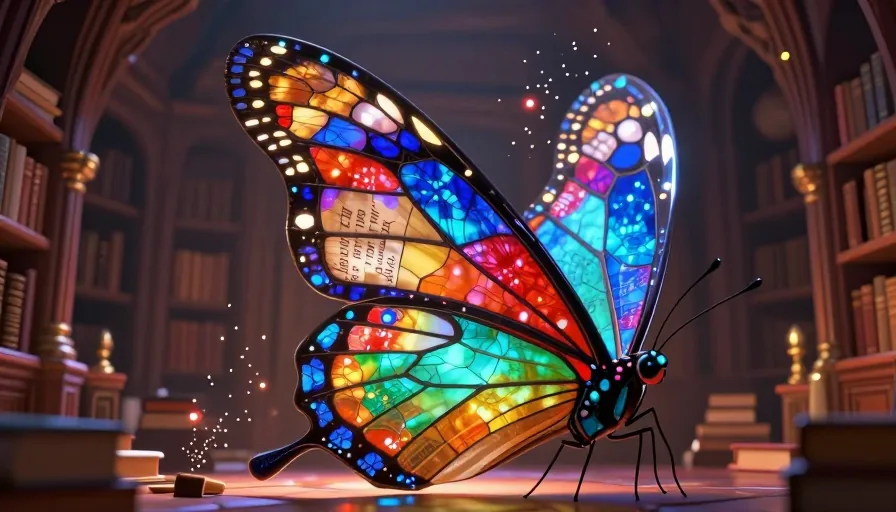
Mariposa Meaning: Unveiling the Cultural and Linguistic Nuances of the Spanish Word for Butterfly
The term mariposa meaning in Spanish is deeply rooted in the language's rich cultural and historical context. Understanding the mariposa meaning goes beyond just knowing that it translates to 'butterfly' in English. It involves exploring its etymological roots, cultural significance, and how it appears in various contexts within Spanish-speaking communities.
What is 'Mariposa' in Spanish?
The primary meaning of 'mariposa' in Spanish is 'butterfly.' This word is commonly used in everyday conversations and literature to refer to these delicate and beautiful insects. For example, if you see a butterfly in a park, you might say, 'Mira, una mariposa' (Look, a butterfly).
Pronunciation Guide
To pronounce 'mariposa' correctly, follow these steps:
- Ma - as in 'mah'
- ri - as in 'ree'
- po - as in 'po'
- sa - as in 'sah'
So, it sounds like: mah-ree-po-sah.
Mini Drill: Pronunciation Practice
Try saying the following phrases aloud to practice your pronunciation:
- Una mariposa azul (A blue butterfly)
- Las mariposas son hermosas (Butterflies are beautiful)
- Vi una mariposa en el jardín (I saw a butterfly in the garden)
The Etymology Behind 'Mariposa'
The etymological roots of 'mariposa' are fascinating and reveal a connection to both Spanish and Latin languages. The word is believed to come from the Latin word 'mariposa,' which means 'butterfly.' The term 'mariposa' is derived from the combination of 'Maria' (Mary) and 'posa,' which means 'to alight' or 'to rest.' This etymology suggests that the word 'mariposa' may have originated from the idea of the Virgin Mary alighting or resting on flowers, much like a butterfly.
Etymological Breakdown
- Maria - Referring to the Virgin Mary
- Posa - To alight or rest
This etymological connection adds a layer of cultural and religious significance to the word 'mariposa,' making it more than just a simple term for a butterfly.

Learn Languages with YouTube
Watch videos in your target language, auto-capture words into flashcards, and track your progress — all in one place.
See How It Works →Cultural Context: Beyond the Dictionary Definition
In Spanish-speaking cultures, the word 'mariposa' holds significant cultural and symbolic meaning. Butterflies are often associated with transformation, freedom, and the beauty of nature. In many Latin American countries, butterflies are seen as symbols of the soul or the spirit of a departed loved one. For example, in Mexico, the Monarch butterfly migration is celebrated as a cultural and spiritual event, known as the 'Día de los Muertos' (Day of the Dead).
Cultural Examples
- Literature: In Gabriel García Márquez's novel 'Cien Años de Soledad' (One Hundred Years of Solitude), butterflies are used as a metaphor for the cyclical nature of life and the inevitability of death.
- Slang: In some Spanish-speaking communities, 'mariposa' is also used as a term of endearment, similar to calling someone 'sweetheart' or 'darling.' For example, 'Eres mi mariposa' (You are my butterfly) can be a way to express affection.
- Folklore: In many Latin American folktales, butterflies are often depicted as magical creatures with the power to grant wishes or guide lost souls.
Mini Drill: Cultural Context
Match the following phrases with their cultural meanings:
- 'Eres mi mariposa' - a. A term of endearment
- 'Las mariposas son símbolos de transformación' - b. Butterflies as symbols of transformation
- 'Vi una mariposa en el cementerio' - c. A spiritual or cultural event
Mariposa in Different Contexts
The word 'mariposa' appears in various contexts within Spanish-speaking communities, from literature and slang to folklore and everyday conversations. Understanding these different contexts can help you appreciate the richness and depth of the Spanish language.
Contextual Examples
- Literature: In Pablo Neruda's poetry, butterflies are often used as symbols of love and beauty. For example, in his poem 'Oda a la Mariposa' (Ode to the Butterfly), he writes, 'La mariposa es un poema que vuela' (The butterfly is a poem that flies).
- Slang: In some regions, 'mariposa' is used to describe someone who is flighty or indecisive, similar to saying 'a butterfly mind.' For example, 'Tiene una mente de mariposa' (He has a butterfly mind).
- Folklore: In many Latin American folktales, butterflies are often depicted as magical creatures with the power to grant wishes or guide lost souls. For example, in the tale of 'La Mariposa y la Luna' (The Butterfly and the Moon), a butterfly guides a lost child back to their home.
- Everyday Conversations: In everyday conversations, 'mariposa' is often used to describe the beauty and delicacy of butterflies. For example, 'Mira qué mariposa tan hermosa' (Look at that beautiful butterfly).
Mini Drill: Contextual Usage
Choose the correct context for the following phrases:
- 'Tiene una mente de mariposa' - a. Literature
- 'La mariposa es un poema que vuela' - b. Slang
- 'Mira qué mariposa tan hermosa' - c. Everyday Conversations
- 'La Mariposa y la Luna' - d. Folklore
Common Mistakes and How to Avoid Them
When learning the mariposa meaning and its usage, it's important to avoid common mistakes. Here are some tips to help you:
- Pronunciation: Make sure to pronounce 'mariposa' correctly. Avoid common mistakes like saying 'mar-ee-po-sa' instead of 'mah-ree-po-sah.'
- Context: Be mindful of the context in which you use 'mariposa.' Avoid using it in inappropriate contexts, such as using it as a term of endearment in a formal setting.
- Cultural Sensitivity: Be aware of the cultural significance of 'mariposa' and avoid using it in a disrespectful or insensitive manner.
Checklist for Learning 'Mariposa'
- Pronunciation: Practice saying 'mariposa' correctly.
- Etymology: Understand the etymological roots of 'mariposa.'
- Cultural Context: Learn about the cultural significance of 'mariposa.'
- Contextual Usage: Practice using 'mariposa' in different contexts.
- Avoid Mistakes: Be mindful of common mistakes and how to avoid them.
By following this checklist, you can enhance your understanding of the mariposa meaning and its usage in the Spanish language.
Conclusion
Understanding the mariposa meaning in Spanish involves more than just knowing its dictionary definition. It requires exploring its etymological roots, cultural significance, and how it appears in various contexts. By doing so, you can gain a deeper appreciation for the richness and depth of the Spanish language and culture.
FAQ
Is 'mariposa' only used to refer to butterflies?
While 'mariposa' primarily means 'butterfly,' it can also be used metaphorically or as a term of endearment in some contexts. For example, 'Eres mi mariposa' (You are my butterfly) can be a way to express affection.
How do I pronounce 'mariposa' correctly?
To pronounce 'mariposa' correctly, follow these steps: **Ma** - as in 'mah', **ri** - as in 'ree', **po** - as in 'po', **sa** - as in 'sah'. So, it sounds like: **mah-ree-po-sah**.
What is the cultural significance of 'mariposa' in Spanish-speaking communities?
In Spanish-speaking cultures, 'mariposa' holds significant cultural and symbolic meaning. Butterflies are often associated with transformation, freedom, and the beauty of nature. They are seen as symbols of the soul or the spirit of a departed loved one, especially in Mexico during the 'Día de los Muertos' (Day of the Dead).
Related phrases
Start with Metheus
Watch videos in your target language, auto-capture words into flashcards, and track your progress — all in one place.
Get Started →

