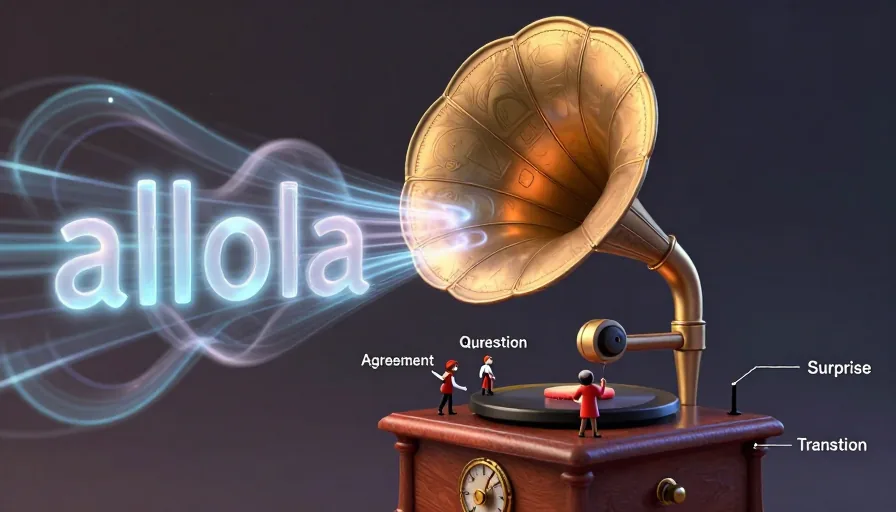
Understanding the nuances of Italian conversational fillers like Italian allora can significantly enhance your language skills. This guide demystifies the four distinct meanings of 'allora' and provides practical examples to help you use it correctly in various contexts.
The 4 Core Meanings of 'Allora' in Italian
'Allora' is a versatile word in Italian that can have four different meanings depending on the context. Let's explore each one with clear examples.
1. Starting a Thought
In many cases, 'allora' is used to start a thought or introduce a new topic. It's similar to saying 'so' or 'well' in English.
Example:
Allora, ho deciso di andare in vacanza in Sicilia quest'estate.
So, I've decided to go on vacation to Sicily this summer.
2. Expressing Agreement
'Allora' can also be used to express agreement or to confirm a decision that has been made.
Example:
A: Dobbiamo andare al cinema stasera. B: Allora, andiamo al cinema!
A: We should go to the cinema tonight. B: Okay, let's go to the cinema!
3. Indicating a Consequence
When 'allora' is used to indicate a consequence, it's similar to saying 'so' or 'therefore' in English.
Example:
Ho studiato tanto per l'esame, allora sono sicuro di passare.
I studied a lot for the exam, so I'm sure I'll pass.
4. Referring to the Past
'Allora' can also be used to refer to a past event or time, similar to 'back then' in English.
Example:
Allora, quando ero giovane, andavo spesso in bicicletta.
Back then, when I was young, I often went cycling.
Context is King: When to Use Each Meaning
Understanding the context is crucial for using 'allora' correctly. Here's a checklist to help you decide which meaning to use:
- Starting a thought: Use 'allora' when you want to introduce a new topic or start a conversation.
- Expressing agreement: Use 'allora' when you want to confirm a decision or express agreement.
- Indicating a consequence: Use 'allora' when you want to show that one event is a result of another.
- Referring to the past: Use 'allora' when you want to talk about a past event or time.
Mini Drill: Fill in the Blanks
Practice using 'allora' by filling in the blanks in the following sentences:
- _______, ho deciso di imparare una nuova lingua.
- A: Dobbiamo andare al ristorante stasera. B: _______, andiamo al ristorante!
- Ho studiato tanto per l'esame, _______ sono sicuro di passare.
- _______, quando ero giovane, andavo spesso in bicicletta.

Learn Languages with YouTube
Watch videos in your target language, auto-capture words into flashcards, and track your progress — all in one place.
See How It Works →Common Mistakes Learners Make When Using 'Allora'
Even advanced learners can make mistakes when using 'allora'. Here are three common errors to avoid:
1. Overusing 'Allora'
One of the most common mistakes learners make is overusing 'allora'. While it's a useful word, using it too frequently can make your speech sound unnatural. Try to vary your language and use other fillers like 'però', 'quindi', or 'insomma'.
2. Using 'Allora' Instead of 'Allora che'
Another common mistake is using 'allora' instead of 'allora che' when referring to a past event. 'Allora che' is a fixed expression that means 'back when' or 'back then'.
Incorrect: Allora, ero giovane e felice. Correct: Allora che ero giovane, ero felice.
3. Confusing 'Allora' with 'Allora che'
Learners often confuse 'allora' with 'allora che' when indicating a consequence. Remember that 'allora' is used to indicate a consequence, while 'allora che' is used to refer to a past event.
Incorrect: Ho studiato tanto per l'esame, allora che sono sicuro di passare. Correct: Ho studiato tanto per l'esame, allora sono sicuro di passare.
Quick Quiz: Test Your Understanding of 'Allora'
Test your understanding of 'allora' with this quick quiz. Choose the correct meaning of 'allora' in each sentence:
-
Allora, ho deciso di andare in vacanza in Sicilia quest'estate. a) Starting a thought b) Expressing agreement c) Indicating a consequence d) Referring to the past
-
A: Dobbiamo andare al cinema stasera. B: Allora, andiamo al cinema! a) Starting a thought b) Expressing agreement c) Indicating a consequence d) Referring to the past
-
Ho studiato tanto per l'esame, allora sono sicuro di passare. a) Starting a thought b) Expressing agreement c) Indicating a consequence d) Referring to the past
-
Allora, quando ero giovane, andavo spesso in bicicletta. a) Starting a thought b) Expressing agreement c) Indicating a consequence d) Referring to the past
Pronunciation Guidance
Pronunciation is not the primary focus of this guide, but it's still important to get it right. 'Allora' is pronounced as /alˈlɔːra/ in Italian. Here's a breakdown:
- al: like the English word 'all'
- lò: like the English word 'low' but with a rolled 'r'
- ra: like the English word 'rah'
Practice saying 'allora' out loud and listen to native speakers to improve your pronunciation.
How 'Allora' Fits into Natural, Conversational Italian
'Allora' is a common word in Italian conversations, and understanding how to use it can make your speech sound more natural. Here are some tips for incorporating 'allora' into your conversations:
- Use it to start a conversation: 'Allora' is a great way to start a conversation or introduce a new topic. For example, you can say 'Allora, come stai?' (So, how are you?) to start a conversation with a friend.
- Use it to express agreement: 'Allora' can also be used to express agreement or confirm a decision. For example, you can say 'Allora, andiamo al cinema!' (Okay, let's go to the cinema!) to agree with a friend's suggestion.
- Use it to indicate a consequence: 'Allora' can be used to show that one event is a result of another. For example, you can say 'Ho studiato tanto per l'esame, allora sono sicuro di passare' (I studied a lot for the exam, so I'm sure I'll pass) to show that your hard work will lead to a good result.
- Use it to refer to the past: 'Allora' can also be used to talk about a past event or time. For example, you can say 'Allora, quando ero giovane, andavo spesso in bicicletta' (Back then, when I was young, I often went cycling) to talk about a past event.
By following these tips and practicing with native speakers, you can improve your understanding of 'allora' and use it more naturally in your conversations.
Checklist: Mastering 'Allora'
Here's a checklist to help you master 'allora' and use it correctly in your conversations:
- Understand the four meanings of 'allora'
- Practice using 'allora' in different contexts
- Avoid overusing 'allora'
- Use 'allora che' when referring to a past event
- Incorporate 'allora' into your conversations naturally
By following this checklist and practicing regularly, you can master 'allora' and use it confidently in your Italian conversations.
Conclusion
Mastering 'allora' is an essential step in improving your Italian language skills. By understanding its four meanings and practicing with native speakers, you can use 'allora' naturally and confidently in your conversations. Remember to avoid common mistakes and incorporate 'allora' into your conversations in a natural way. With practice and dedication, you can master 'allora' and take your Italian language skills to the next level.
FAQ
Why is 'allora' so commonly used in Italian conversations?
'Allora' is a versatile word that can serve multiple purposes in a conversation, making it a common filler in Italian speech. It can start a thought, express agreement, indicate a consequence, or refer to the past, depending on the context.
Can 'allora' be overused?
Yes, 'allora' can be overused. While it's a useful word, using it too frequently can make your speech sound unnatural. Try to vary your language and use other fillers like 'però', 'quindi', or 'insomma'.
What is the difference between 'allora' and 'allora che'?
'Allora' is used to start a thought, express agreement, indicate a consequence, or refer to the past. 'Allora che', on the other hand, is a fixed expression that means 'back when' or 'back then' and is used to refer to a past event.
Related phrases
Start with Metheus
Watch videos in your target language, auto-capture words into flashcards, and track your progress — all in one place.
Get Started →

